
In orthopedic surgery, where precision, control, and tissue safety are essential, the periosteal elevator has become one of the most indispensable instruments. Whether the procedure involves fracture repair, joint reconstruction, fixation, implant placement, or bone grafting, surgeons rely heavily on periosteal elevators to properly expose bone surfaces while protecting delicate tissues.
But why is this instrument included in every orthopedic surgical set across hospitals and surgical centers worldwide? What makes it so essential? And how does high-quality manufacturing—like that offered by Artema Medical—ensure optimal performance in every procedure?
This comprehensive guide explores the complete importance of the periosteal elevator and why orthopedic surgeons simply cannot operate effectively without it.
Understanding the Periosteal Elevator
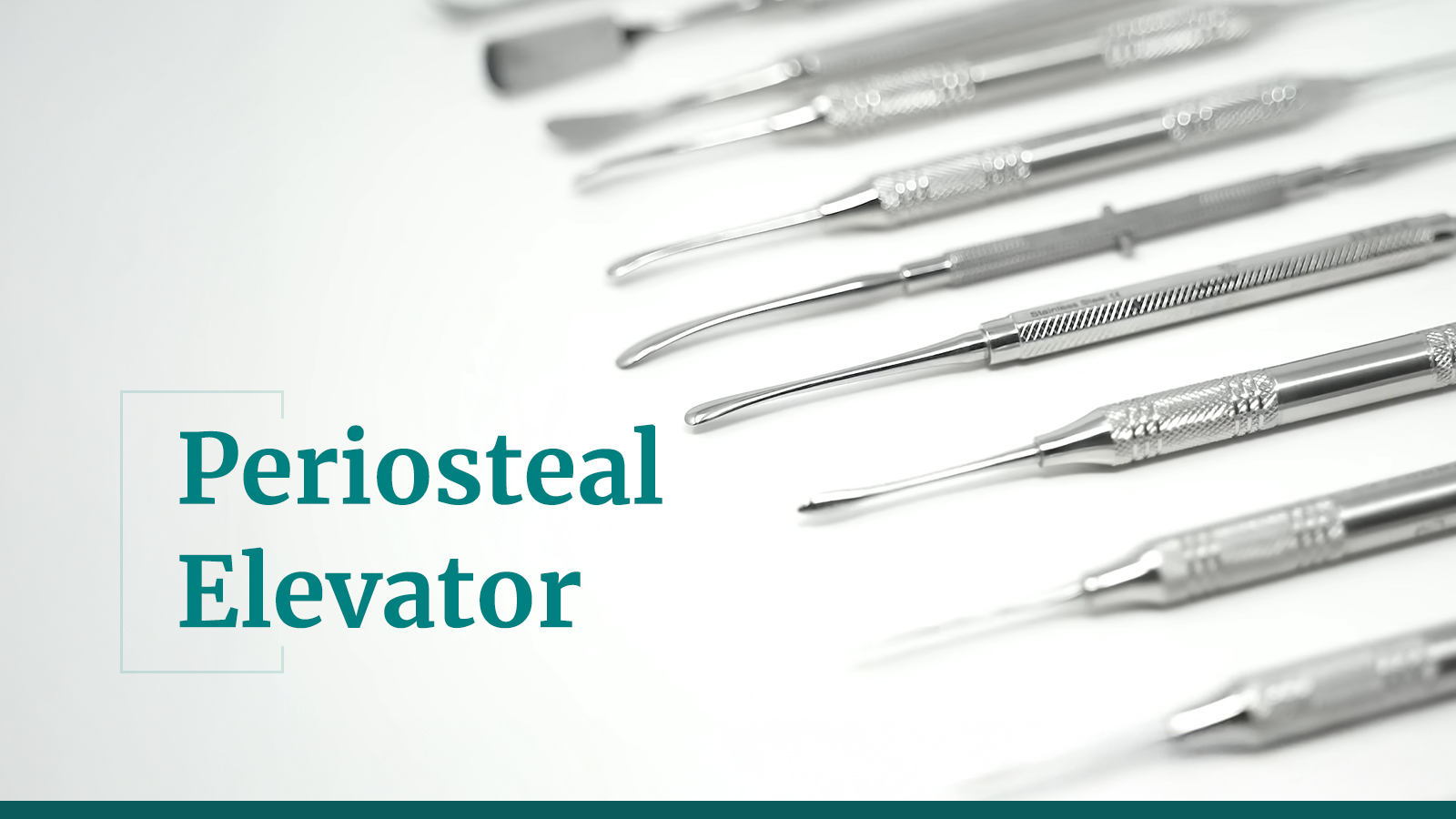
A periosteal elevator is a surgical tool designed to lift, detach, and reflect the periosteum—the thin membrane covering the surface of bones—without damaging it. This reflection is one of the first and most crucial steps in orthopedic surgery, allowing surgeons clear and safe access to the bone structure beneath.
Key Design Features
- Flat or slightly curved blade
- Sharp or blunt working ends
- One or double-ended configurations
- Ergonomic handles for steady grip and pressure control
- Made from high-grade stainless steel for durability and precision
Companies like Artema Medical manufacture periosteal elevators with exceptional craftsmanship, ensuring consistent balance, sharpness, and control that surgeons depend on during complex orthopedic procedures.
Why the Periosteal Elevator Is Essential in Orthopedic Surgery
Below are the major reasons this instrument is included in every orthopedic surgical set.
1. Essential for Safe Bone Exposure
Orthopedic procedures require direct access to bones before performing:
- Drilling
- Plate fixation
- Intramedullary nailing
- Bone grafting
- Orthopedic reshaping
The periosteum needs to be reflected carefully to avoid:
- Tearing the membrane
- Disturbing blood supply
- Slowing bone healing
A periosteal elevator glides smoothly beneath the periosteum, gently separating it from the bone without damaging tissue. This clean elevation ensures the bone surface is safely exposed while maintaining the periosteum’s role in healing and regeneration.
2. Helps Preserve Blood Supply for Faster Healing
The periosteum plays a vital role in:
- Nourishing the bone
- Supplying blood
- Supporting callus formation during healing
If damaged, healing slows, and complications increase.
By using a periosteal elevator, surgeons can ensure:
- Minimal trauma
- Controlled elevation
- Preservation of bone vascularity
This is one of the key reasons orthopedic surgeons prioritize this instrument.
3. Offers Superior Precision Compared to Other Elevators
While other surgical elevators exist—like Freer, Cobb, or Molt—they are not specifically designed for periosteal reflection in orthopedic settings.
A periosteal elevator’s unique shape offers unmatched:
- Control
- Stability
- Surface contact with bone
- Ability to perform delicate dissection
The smooth, wide blade provides safe bone access without excessive pressure, making it the most suitable tool for bone exposure during surgery.
4. Adaptable to a Wide Range of Orthopedic Procedures
The periosteal elevator is used in nearly every bone-related surgery, including:
Trauma Surgeries
- Fracture reduction
- Debridement
- Plating and fixation
Joint Surgeries
- Hip replacement
- Knee realignment
- Shoulder stabilization
Spinal Procedures
- Vertebral exposure
- Lamina preparation
Pediatric Orthopedics
- Corrective bone surgeries
- Congenital deformity treatments
Its universal application is one reason why orthopedic surgical sets are considered incomplete without it.
5. Provides Multi-Functionality During Surgery
Though primarily used for periosteal reflection, the instrument also assists in:
- Tissue retraction
- Debridement
- Contouring bone
- Removing soft tissue fragments
- Creating space for implants
Its dual-end designs allow surgeons to switch between blunt and sharp tips instantly, improving workflow and reducing instrument changes.
This makes the periosteal elevator both a specialized and multi-purpose tool—highly valuable during complex orthopedic procedures.
6. Minimizes Soft Tissue Trauma
Soft tissue injury during surgery can:
- Increase postoperative pain
- Delay recovery
- Lead to complications
The periosteal elevator, especially when made with high-precision edges like those produced by Artema Medical, is engineered to reduce trauma through:
- Smooth blade transitions
- Non-aggressive tip shaping
- Controlled mechanical leverage
Minimal tissue disruption means safer surgeries and better postoperative outcomes.
7. Ensures Accurate Implant Positioning
Whether placing:
- Plates
- Screws
- Prosthetic implants
- Bone grafts
The bone must be fully and cleanly exposed.
Periosteal elevators:
- Clear the bone surface
- Create optimal working space
- Allow precise alignment
Inaccurate exposure can lead to poor fixation—which is why surgeons cannot risk operating without this tool.
8. Manufactured to Last—Especially by Artema Medical
High-performance periosteal elevators depend on the quality of material and craftsmanship. Artema Medical manufactures periosteal elevators using:
Premium steel
For long-lasting strength and corrosion resistance
Balanced ergonomics
To reduce hand fatigue during long operations
Accurate blade geometry
For smooth tissue separation
Strict quality control
To ensure consistent performance
Surgeons and OR teams trust Artema Medical for instruments that meet international standards and deliver precision in every case.
Common Types of Periosteal Elevators in Orthopedic Sets
Orthopedic surgical kits often include several types of periosteal elevators, each selected for different surgical needs.
Most commonly used types include:
- Molt 9
- Freer elevator (dual-use in ENT and ortho)
- Key elevator
- Crego elevator
- Raspatory elevators
- Howarth periosteal elevator
These variations help surgeons work efficiently across bone sizes, shapes, and depths.
Why Surgeons Cannot Perform Orthopedic Surgery Without This Instrument
Surgeons consistently emphasize the importance of the periosteal elevator because:
- It initiates nearly every orthopedic procedure
- It ensures safe exposure of bone
- It prevents avoidable tissue damage
- It supports precision in fixation
- It directly influences healing quality
Simply put, orthopedic surgery begins with the periosteal elevator—and depends on it for safe and effective outcomes.
Conclusion: A Small Instrument with Massive Importance
Though it may appear simple, the periosteal elevator is one of the most vital instruments in orthopedic surgery. From exposing bone to preserving periosteal health, guiding implant placement, and improving recovery outcomes, its role is unmatched.
This is why every orthopedic surgical set—no matter the hospital, region, or specialty—includes periosteal elevators as core instruments.
Manufacturers like Artema Medical ensure that surgeons receive the highest quality periosteal elevators, crafted with precision, durability, and reliability. Their commitment to excellence supports safer surgeries and better patient outcomes worldwide.