
Imagine stepping into your shower on a chilly morning only to be greeted by cold water. No one wants that surprise. Your water heater is one of those unsung heroes in your home, quietly working behind the scenes to keep things comfortable. But like any appliance, it doesn’t last forever. Knowing when to fix it and when to replace it can save you money, frustration, and cold showers.
Signs Your Water Heater Needs Attention
Water heaters usually give subtle hints before they completely break down. Catching these signs early can help you decide whether a repair will do or if it’s time for a new unit.
Inconsistent Water Temperature
If your hot water suddenly feels lukewarm or fluctuates between hot and cold, it’s a clear sign something’s off. This inconsistency could point to a failing thermostat or heating element. Sometimes, sediment buildup inside the tank can also cause uneven heating. A technician can often flush the tank or replace parts to restore steady temperature. Additionally, if your water heater is older, it may simply be reaching the end of its lifespan, as efficiency tends to decline over time. Regular maintenance checks can help prolong the life of your unit and ensure it operates at optimal performance.
Strange Noises from the Tank
Have you noticed popping, rumbling, or banging sounds coming from your water heater? These noises usually mean sediment has settled at the bottom of the tank and is heating unevenly. Over time, this sediment can harden and reduce the efficiency of your heater. Flushing the tank might fix the problem, but if the noises persist, it could indicate more serious internal damage. It’s worth noting that strange sounds can also be a sign of excessive pressure buildup, which can lead to dangerous situations if not addressed promptly. Regular inspections can help catch these issues early, ensuring your water heater remains safe and functional.
Water Discoloration or Odor
Rusty or brown water coming from your hot water taps is a red flag. It often means the inside of your tank is corroding. Similarly, a foul smell—like rotten eggs—can indicate bacterial growth inside the tank. Both issues suggest your water heater is deteriorating and may soon fail. While sometimes flushing or replacing the anode rod can help, corrosion often means replacement is the safer bet. Furthermore, it’s essential to consider the impact of water quality on your heater’s performance. Hard water, which contains high levels of minerals, can exacerbate these issues, leading to more frequent repairs or replacements. Investing in a water softener may help mitigate these problems and extend the life of your water heater. For professional assistance, visit Plumber Singapore website to ensure your water heater is in top condition.
Leaks Around the Base
Any water pooling around the base of your water heater is cause for immediate concern. Leaks can stem from loose connections, a faulty pressure relief valve, or cracks in the tank itself. While minor leaks from fittings can be repaired, a leaking tank usually means the entire unit needs replacing. Ignoring leaks can lead to water damage and mold growth in your home. It’s also wise to check the surrounding area for signs of moisture or mold, as these can indicate ongoing issues that may not be immediately visible. Installing a drip pan or a leak detection system can provide an added layer of protection, alerting you to potential problems before they escalate into costly repairs or hazardous situations.
How Old Is Your Water Heater?
Age is one of the most important factors when deciding between repair and replacement. Most traditional tank water heaters last about 8 to 12 years. Tankless models can last up to 20 years with proper maintenance. Understanding the age of your water heater is crucial, as it can significantly impact your home’s efficiency and energy costs. Over time, sediment build-up and wear and tear can lead to decreased performance, which not only affects your hot water supply but can also increase your utility bills.
If your water heater is nearing or past its expected lifespan, it’s often more cost-effective to replace it rather than repair it. Older units tend to have more frequent problems, and repairs may only be a temporary fix. Additionally, newer models often come equipped with advanced technology that enhances energy efficiency, potentially saving you money in the long run. Investing in a new water heater can also provide peace of mind, knowing that you are less likely to face unexpected breakdowns or costly repairs.
Finding the Age
To check the age of your water heater, look for the manufacturer’s label on the tank. It usually includes a serial number that reveals the manufacturing date. For example, some brands encode the year and month in the first few digits. If you’re unsure, a quick call to the manufacturer with your serial number can clarify the exact age. Knowing the age of your water heater can also help you plan for its eventual replacement, allowing you to budget accordingly and avoid any last-minute emergencies.
In addition to checking the serial number, you can also look for signs of aging in your water heater. Rust, leaks, or unusual noises can indicate that your unit is struggling and may need attention. Regular maintenance, such as flushing the tank to remove sediment and checking the anode rod, can extend the life of your water heater, but it’s essential to stay vigilant. If you notice any of these warning signs, it may be time to consult a professional to assess whether repair or replacement is the best course of action for your home.
Cost Considerations: Repair vs. Replace
Money matters. It’s tempting to patch up your water heater when it breaks down, but sometimes that’s just delaying the inevitable and costing you more in the long run.
Typical Repair Costs
Common repairs like replacing a thermostat or heating element usually run between $150 and $300. Flushing the tank to remove sediment is generally less expensive, often under $100 if done by a professional. Fixing leaks or replacing valves can cost a bit more depending on the severity and parts needed.
Replacement Costs
Installing a new water heater is a bigger investment. A standard tank water heater typically costs between $600 and $1,200 including installation. Tankless models are pricier upfront, ranging from $1,000 to $3,000 or more, but they offer energy savings and longer lifespans.
When Repair Costs Add Up
If you’ve already spent a few hundred dollars on repairs in the past year, it might be time to consider replacing your water heater. Constant fixes can add up quickly, and newer models are often more energy-efficient, which can lower your utility bills.
Energy Efficiency and Environmental Impact
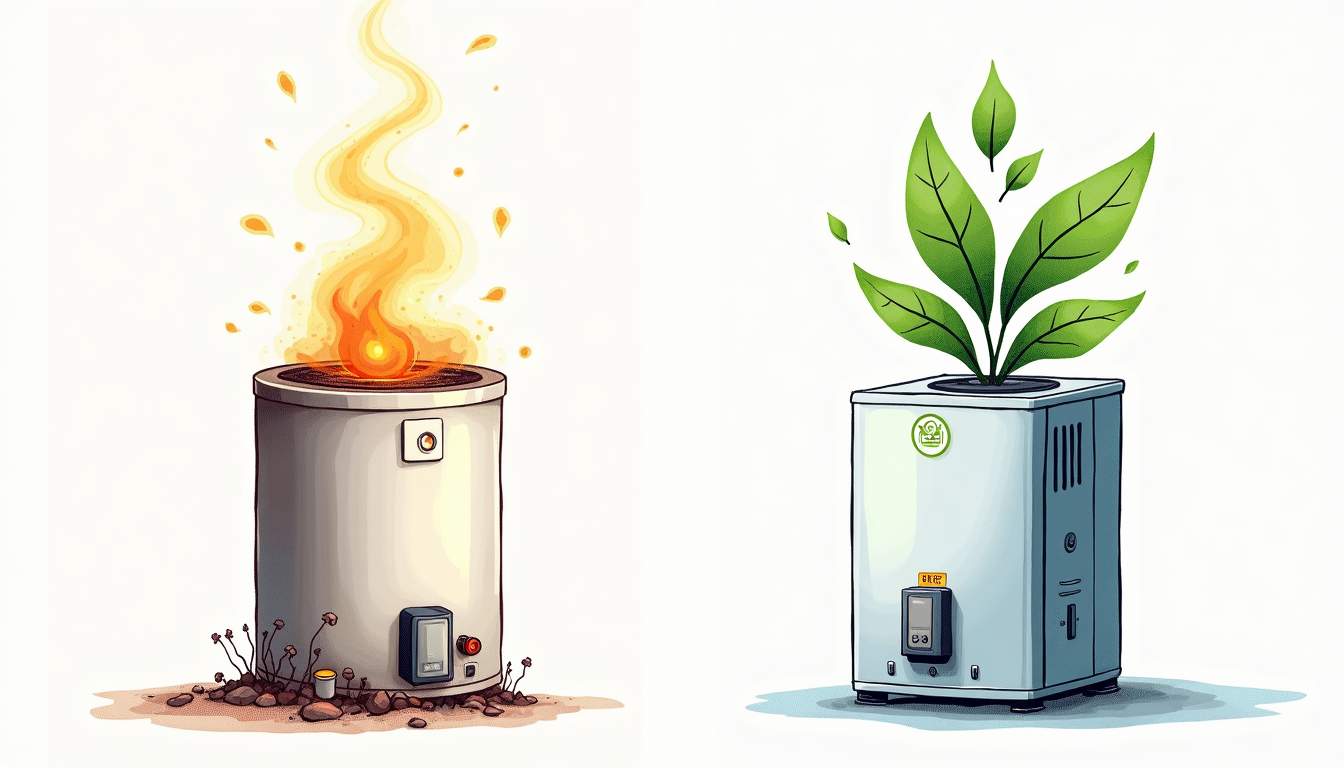
Older water heaters tend to be less efficient, wasting energy and increasing your monthly bills. Newer models meet stricter energy standards and can significantly reduce energy consumption.
Energy Star Ratings
Look for water heaters with an Energy Star rating when shopping for a replacement. These units use advanced technology to heat water more efficiently, saving you money over time. Even if the upfront cost is higher, the energy savings often make up for it within a few years.
Tankless Water Heaters
Tankless or on-demand water heaters heat water only when you need it, rather than keeping a large tank hot all day. This design can reduce energy use by 20-30%. They’re also smaller and last longer, making them a smart choice for many households.
When to Call a Professional
Water heaters involve gas, electricity, and water pressure – all of which can be dangerous if handled improperly. If you notice any of the warning signs mentioned earlier, or if your water heater is over 10 years old and acting up, it’s wise to call a licensed plumber or HVAC technician.
Professionals can diagnose the problem accurately and recommend the best course of action. They can also safely install new units, ensuring all connections meet local codes and safety standards.
DIY Maintenance Tips to Extend Your Water Heater’s Life
Regular maintenance can keep your water heater running smoothly and delay the need for costly repairs or replacement.
Flush the Tank Annually
Flushing removes sediment buildup, which can cause noises and reduce efficiency. You can do this yourself by turning off the heater, attaching a hose to the drain valve, and draining the tank until the water runs clear.
Check the Anode Rod
The anode rod helps prevent corrosion inside the tank. Inspect it every couple of years and replace it if it’s heavily corroded. This simple step can add years to your water heater’s life.
Test the Pressure Relief Valve
This valve prevents excessive pressure buildup inside the tank. Lift the valve’s lever to let some water out and make sure it flows freely. If it doesn’t, the valve may need replacing.
Making the Final Decision
Deciding whether to repair or replace your water heater depends on several factors: the age of the unit, the severity of the problem, repair costs, and your long-term plans for the home.
If the water heater is relatively new and the repair is minor, fixing it makes sense. But if the unit is old, leaking, or requires expensive repairs, replacing it is usually the smarter and safer option.
Remember, a reliable water heater is essential for comfort and convenience. Investing in a new, efficient model can provide peace of mind and save money over time.