
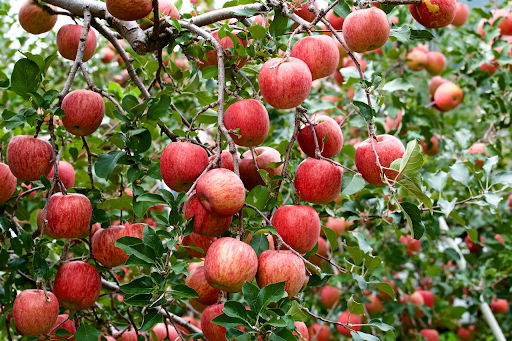
Maintaining a healthy and productive orchard begins with proper care, and few practices are as important as pruning. A well-pruned apple tree encourages better sunlight penetration, improves air circulation, and promotes stronger branches capable of supporting abundant fruit. While pruning may seem intimidating to some, understanding the right timing, tools, and techniques can dramatically enhance the quality and quantity of your harvest.
Understanding the Importance of Pruning
Pruning is more than just shaping a tree; it’s a critical horticultural practice that impacts the overall health and productivity of your apple tree. Regular pruning removes dead, diseased, or damaged branches, reduces overcrowding, and stimulates new growth. Without proper pruning, apple trees can become dense and unproductive, with fruit quality compromised by poor airflow and inadequate sunlight reaching the inner branches.
Benefits of Pruning
- Encourages the growth of fruit-bearing spurs
- Reduces the risk of disease and pest infestations
- Improves tree structure and longevity
- Enhances fruit size and flavor
- Makes harvesting easier and safer
When to Prune Your Apple Tree
Dormant Season Pruning
The most common time to prune apple trees is during the dormant season, typically late winter to early spring, before new buds begin to swell. Pruning during dormancy reduces stress on the tree, allows for easier identification of dead or weak branches, and minimizes sap loss.
Summer Pruning
Light summer pruning can be performed after fruit set to manage excessive growth and improve sunlight penetration to developing fruits. This type of pruning is less about shaping and more about controlling the canopy and encouraging ripening.
Avoid Pruning During Frost
It’s crucial to avoid pruning during late frost or extremely cold temperatures, as exposed cuts can be damaged, creating potential entry points for disease and stunted growth.
Essential Tools for Pruning
Using the correct tools ensures clean cuts and minimizes damage to the tree. Essential tools for apple tree pruning include:
- Pruning Shears: For small branches up to ¾ inch in diameter
- Loppers: For medium-sized branches, usually 1–2 inches in diameter
- Pruning Saw: For larger limbs and older growth
- Gloves and Safety Gear: To protect hands and arms from cuts and scratches
Regularly sharpening and disinfecting tools is vital to prevent disease transmission and ensure precise cuts.
Pruning Techniques for Maximum Yield
1. Remove Dead and Diseased Wood
Start by eliminating any dead, damaged, or diseased branches. These areas can harbor pests or fungi that may spread to healthy parts of the tree. Clean cuts should be made at the base of the affected branch to prevent regrowth from the damaged area.
2. Thin Out Crowded Branches
Thinning crowded branches allows better light and air penetration, which is essential for fruit development and disease prevention. Focus on branches that cross, rub against each other, or grow inward toward the center of the tree.
3. Encourage Strong Scaffold Branches
Scaffold branches form the main structure of your apple tree. Remove weak or competing branches to strengthen primary limbs, allowing them to support heavy fruit loads without breaking.
4. Maintain the Desired Shape
Apple trees are often pruned into a central leader shape, with one main trunk dominant and lateral branches spreading outward. This structure promotes balanced growth, easier harvesting, and efficient fruit production.
5. Cut Above Outward-Facing Buds
When making cuts, trim just above outward-facing buds. This encourages new growth to extend away from the tree’s center, maintaining airflow and sunlight penetration while promoting outward development of fruiting branches.
Common Mistakes to Avoid
- Removing too much foliage at once can stress the tree.
- Cutting large branches without proper support
- Ignoring disease and pest signs during pruning
- Using dull or contaminated tools that damage the tree
Conclusion
Proper pruning is an essential practice for anyone seeking a healthy, productive apple tree. Understanding the best timing, using the right tools, and applying effective techniques ensures stronger growth, better fruit quality, and higher yields. With consistent care, your apple tree can thrive season after season, producing robust fruit and reducing the risk of disease or structural damage. Moreover, adopting these pruning strategies can enhance the overall health of your fruit trees, making your orchard more resilient and productive for years to come.