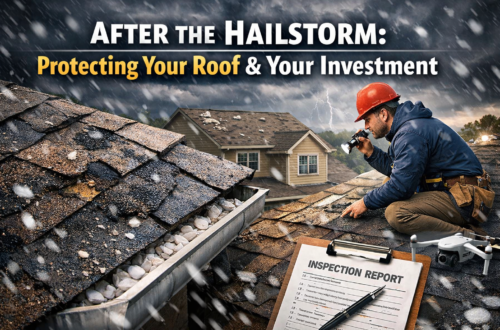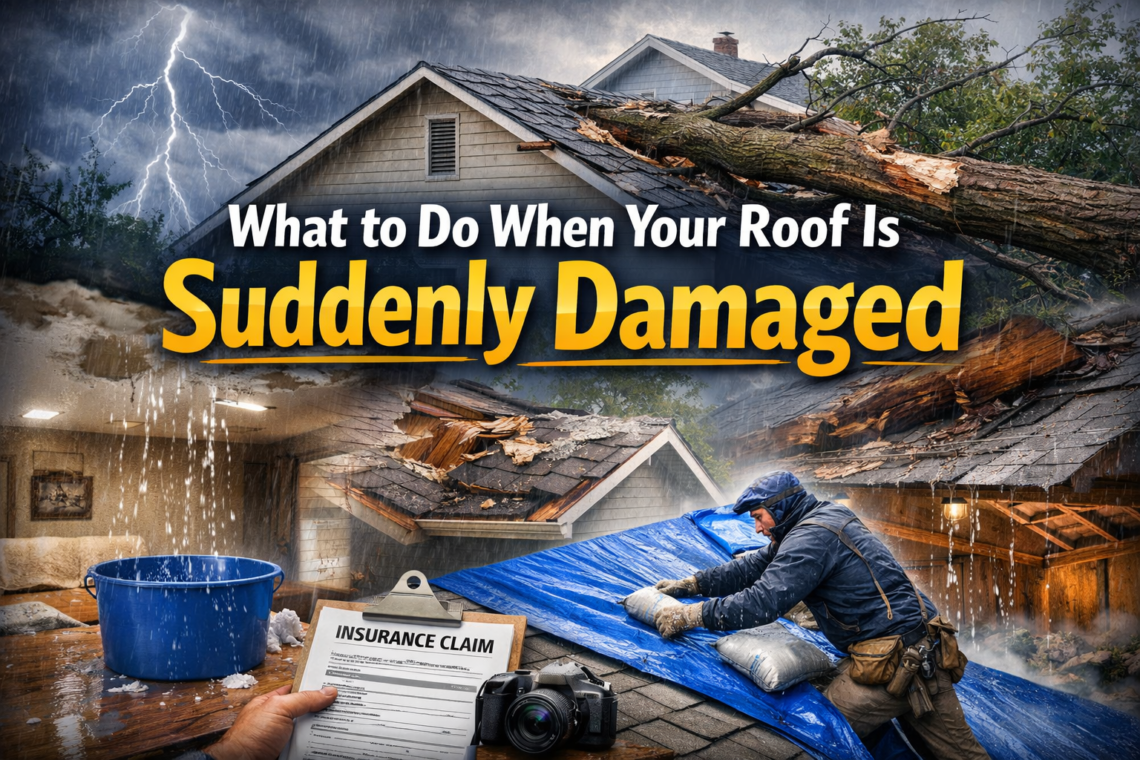
Roof damage rarely happens at a convenient time. Whether it’s a powerful storm, fallen tree branch, or unexpected leak, sudden roofing problems can quickly turn into serious issues if they aren’t addressed immediately. When the roof is compromised, the safety and structure of your entire home may be at risk.
Knowing how to respond quickly—and what steps to take before professional help arrives—can make a major difference in minimizing damage. For homeowners, understanding emergency roofing situations is the first step toward protecting both property and peace of mind.
Common Causes of Emergency Roof Damage
Roof emergencies typically occur when unexpected forces overwhelm your roof’s protective layers. While roofs are designed to withstand weather conditions, severe events can still cause immediate structural damage.
Some of the most common causes include:
-
Severe storms and high winds
-
Falling trees or large branches
-
Hail impact
-
Fire damage
-
Sudden structural collapse
-
Major leaks during heavy rain
Even small vulnerabilities can become major problems during extreme weather. For example, a single loose shingle may allow water to enter and spread beneath the roofing layers.
When water infiltration begins, insulation, drywall, and wooden framing can quickly become saturated. This makes quick action essential.
Warning Signs You Need Immediate Roof Attention
Not all roofing damage is immediately visible from the outside. However, certain warning signs inside your home can indicate urgent roof issues.
Watch for these signs after storms or heavy rainfall:
-
Water dripping from ceilings
-
Wet spots or discoloration on walls
-
Sagging ceiling areas
-
Mold or musty odors in the attic
-
Shingles or roofing debris around the yard
-
Sudden drafts or temperature changes indoors
If you notice any of these problems, your roof may have been compromised and should be inspected as soon as possible.
Steps to Take Immediately After Roof Damage
During a roofing emergency, the priority is protecting your home and preventing additional damage. While permanent repairs require professional expertise, homeowners can take several temporary steps.
1. Stay Safe First
If a tree has fallen on your roof or structural damage is severe, avoid entering affected areas of the home. Structural instability could make ceilings or walls unsafe.
2. Contain Interior Water
If water is leaking inside, place buckets or containers beneath the leak to prevent water from spreading across floors and furniture.
3. Move Valuable Items
Relocate electronics, furniture, and important belongings away from the leak to reduce potential damage.
4. Document the Damage
Take photos or videos of visible damage. This documentation may be helpful for insurance claims later.
5. Contact Roofing Professionals
Emergency situations often require rapid response from experienced roofing contractors who can secure the damaged area and perform temporary stabilization.
Quick action prevents water intrusion from spreading deeper into the home’s structure.
Why Temporary Fixes Are Important
Emergency roofing solutions often involve temporary protective measures before permanent repairs are completed. These quick interventions help prevent further damage while a long-term solution is planned.
Temporary solutions may include:
-
Installing protective tarps over exposed areas
-
Reinforcing damaged sections of the roof
-
Removing loose debris that could worsen damage
-
Sealing active leaks to prevent water infiltration
These actions stabilize the structure and reduce the risk of additional problems while repair plans are finalized.
For homeowners facing sudden roofing problems, resources explaining services like emergency roof repair San Antonio can help provide insight into how rapid-response roofing professionals approach urgent situations.
Understanding the process can help homeowners feel more confident during stressful circumstances.
The Hidden Risks of Delaying Roof Repairs
One of the biggest mistakes homeowners make after a roofing emergency is waiting too long to schedule repairs. Even if a leak appears small, hidden moisture can spread behind walls and insulation.
Delaying repairs may lead to:
-
Mold growth inside walls or attic spaces
-
Rotting wood structures
-
Insulation damage
-
Electrical hazards
-
Interior ceiling collapse
These issues often cost significantly more to repair than addressing the roofing problem early.
Immediate professional assessment helps identify the full scope of the damage and prevents long-term complications.
How Professional Roofers Handle Emergencies
Experienced roofing contractors follow a systematic process when responding to emergency situations.
Initial Damage Assessment
Roofing professionals inspect the roof, attic, and surrounding structure to determine the cause and severity of the damage.
Temporary Stabilization
If necessary, they secure the area with tarps or protective coverings to prevent further water infiltration.
Structural Evaluation
The underlying roof decking and support systems are checked to ensure the structure remains safe and stable.
Repair or Replacement Plan
Based on the inspection results, the contractor recommends the most effective repair strategy.
This process ensures that repairs address both visible damage and underlying structural concerns.
Preventing Future Roofing Emergencies
While some roofing emergencies are unavoidable, proactive maintenance can reduce the likelihood of sudden failures.
Homeowners can lower their risk by:
-
Scheduling annual roof inspections
-
Cleaning gutters regularly
-
Removing overhanging tree branches
-
Checking flashing around vents and chimneys
-
Inspecting the attic for moisture or ventilation issues
Routine maintenance helps identify small problems before they escalate into emergencies.
Protecting Your Home When the Unexpected Happens
Roof emergencies can be stressful, but quick action and informed decisions can limit the damage and restore protection to your home. Understanding the warning signs of roof failure, knowing how to respond immediately, and working with experienced professionals all play important roles in resolving these situations.
Your roof is one of the most critical structures protecting your home and family. When unexpected damage occurs, addressing it quickly ensures your property remains safe, secure, and prepared to handle whatever the next storm may bring.