
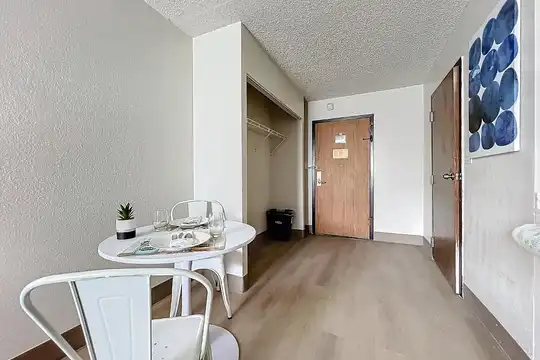
Finding a studio apartment in Kissimmee Florida can feel simple on the surface, but the leasing process has layers worth understanding. From local rental trends to paperwork timing, small details shape how smoothly things go. Kissimmee has its own rhythm, influenced by tourism, seasonal demand, and neighborhood rules. This guide walks through the full leasing journey in clear, human terms, without fluff, so you know what to expect before signing anything.
Understanding the Kissimmee Rental Landscape Before You Apply
Kissimmee’s rental market moves differently than many Florida cities. Proximity to theme parks, short-term rentals, and seasonal workers all affect availability. Studio apartments often get snapped up fast, especially in spring and early summer. Some properties cater to long-term residents, others quietly prefer six-month or flexible leases. Knowing this upfront saves time. You may notice rents shifting month to month, not always year to year. This isn’t instability, just local demand reacting in real time.
Choosing the Right Studio Apartment for Your Lifestyle
Not all studios in Kissimmee feel the same. Some are compact and efficient, others feel more like open lofts. Before leasing, landlords expect you to understand what you’re applying for. Square footage, parking access, utilities, and proximity to work matter more than fancy finishes. Many renters overlook noise factors, like nearby highways or tourist traffic. Take your time here. A studio should support how you actually live, not just look good online.

Preparing Documents and Basic Rental Qualifications
Most leasing offices in Kissimmee follow a straightforward qualification process. You’ll need proof of income, usually showing you earn at least three times the rent. Photo ID is standard. Some ask for bank statements or employment letters. Credit checks are common, but not all landlords weigh them the same. Independent property owners may be more flexible. Having documents ready speeds things up, especially when studios are limited and competition is real.
Submitting the Rental Application and Application Fees
Once you find a studio you like, the application step moves fast. Expect to fill out personal details, rental history, and employment information. Application fees are common and usually non-refundable. In Kissimmee, fees can vary widely depending on whether you’re dealing with a property management company or a private landlord. Read carefully before paying. Submitting accurate information matters. Inconsistencies can delay approval or quietly sink your application altogether.
Credit, Background, and Rental History Checks Explained
Background screening is part of the leasing process, but it’s not always as rigid as people fear. Credit scores matter, but context matters more. Landlords often look for patterns, not perfection. A past late payment may be overlooked, while recent evictions raise concerns. Criminal background checks focus on safety-related issues. If something in your history might raise questions, honesty upfront often works better than hoping it won’t appear.
Approval Timelines and What Happens Next
Approval timelines in Kissimmee are usually quick. Some studios approve within 24 to 72 hours. Others take longer during peak seasons. Once approved, you’ll receive a lease offer outlining rent, move-in date, and upfront costs. This is not the time to rush. Review everything. Ask questions. Clarify utilities, maintenance responsibilities, and guest policies. Approval doesn’t lock you in until you sign, so use this window wisely.
Understanding Lease Terms Specific to Studio Apartments
Studio apartment leases can include unique clauses. Some limit occupancy strictly. Others include furniture or utility bundles. In Kissimmee, leases may also reference local ordinances tied to short-term rental restrictions. Read the fine print around renewals and rent increases. Pay attention to early termination rules. Studios often attract transitional renters, so landlords protect themselves with clearer exit terms. Knowing these details avoids surprises later.
Deposits, Fees, and First Month Costs
Move-in costs usually include the security deposit, first month’s rent, and sometimes last month’s rent. In Kissimmee, deposits for studios vary based on credit and demand. Some landlords offer reduced deposits with higher monthly rent. Others require full payment upfront. Pet fees, parking fees, and utility setup costs may apply. Ask for a full breakdown before signing. Clear numbers upfront prevent awkward conversations later.
Scheduling Move-In and Setting Up Utilities
After signing the lease, move-in coordination begins. You’ll receive instructions for keys, access codes, and inspection forms. Utilities may need to be transferred into your name before move-in day. Some studios include water or electricity, others don’t. Internet setup can take time in certain areas, so don’t wait. Document the unit’s condition on day one. Photos help. This step protects you when it’s time to move out.

Navigating Lease Renewal or Future Transitions
Even at move-in, it’s smart to think ahead. Studio apartments in Kissimmee often have renewal options, but terms may change. Rent increases are usually communicated months in advance. If you plan to stay long-term, ask about renewal expectations early. If you’re unsure, understand notice requirements. Life shifts fast. Knowing how to exit properly keeps your rental history clean and your stress levels low.
Conclusion
Leasing a studio in Kissimmee isn’t complicated, but it rewards preparation. When you understand the local process, documents, and timing, everything feels more manageable. From application to move-in, clarity saves money and frustration. Whether you’re relocating or downsizing, knowing how Studios for Rent work in this market helps you choose smarter and settle in with confidence, not second guesses.