
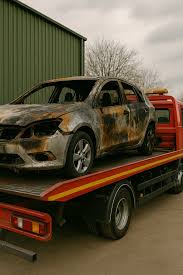
When you hand over your old, damaged, or unwanted car to a removal service, have you ever wondered what actually happens afterwards? Does it get crushed instantly? Does it end up in a junkyard forever? Or does it begin a whole new life in ways you’d never expect?
In this detailed guide, we’ll uncover the shocking truth behind what really happens to your car after removal. Whether you’re saying goodbye to a beloved vehicle or just clearing space in your driveway, this journey will open your eyes to a world hidden behind the scenes. learn More
Think of this process like a “second life” for your car—almost like a phoenix rising from the ashes. Curious? Let’s dive in.
1. Understanding the Car Removal Process
Car removal isn’t just about towing away an old vehicle—it’s the beginning of a meticulous journey. The goal is to ensure every part of the car is utilised in the most eco-friendly and economically beneficial way possible.
From the moment the tow truck hooks up your car, its transformation begins.
2. Why Cars Are Removed in the First Place
Before we explore what happens afterwards, it’s important to understand why cars get removed.
Common Reasons Include:
- Severe damage from accidents
- Old age and mechanical failure
- Costly repairs are not worth the investment
- Environmental concerns
- Decluttering space
Some vehicles are removed because they can’t meet modern standards. Others are taken off the road to prevent pollution or avoid safety risks.
3. What Happens Immediately After Removal
Right after your car is picked up, it is transported to a recycling facility or a wrecking yard. But that’s just the beginning.
The car enters a queue for evaluation, documentation, and dismantling. This phase determines the future of every component.
4. The Initial Inspection: Your Car’s First Checkup
Once the car reaches the yard, experts perform a detailed inspection.
What They Look For:
- Condition of the engine and transmission
- Battery health
- Quality of tyres
- Reusable body panels
- Recyclable interior parts
- Presence of hazardous materials
This inspection helps decide whether the car will be repaired, dismantled, or crushed.
Think of it as a doctor checking vital signs before making a diagnosis.
5. The Dismantling Phase: Breaking Down the Beast
If the car is deemed unfit for repair, it is moved to the dismantling area.
Here, skilled technicians disassemble the car piece by piece, ensuring no usable components are wasted.
Parts Removed Include:
- Engine
- Transmission
- Radiators
- Catalytic converters
- Doors, windows, mirrors
- Seats and interior components
- Tyres and rims
Each item is sorted by value, usability, and recycling potential.
6. Salvaging Usable Parts
One man’s trash is another man’s treasure—and the same applies to cars.
Many parts in your old vehicle could still be in great condition, even if the car itself no longer functions.
Commonly Salvaged and Sold Parts:
- Headlights and taillights
- Batteries
- Alternators
- Air conditioners
- Steering racks
- Bumpers
- Wheels and rims
These parts are cleaned, tested, catalogued, and sold to repair shops or car owners looking for affordable replacements.
7. The Fate of Scrap Metal
Once the reusable components are removed, what remains is primarily steel, aluminium, and other metals.
These metals are:
- Crushed
- Compacted
- Melted down
- Recycled into new products
The metal from your car could eventually become part of a building, a household appliance, or even another vehicle.
8. Hazardous Materials: Safe Disposal Measures
Cars contain harmful substances, and proper disposal is crucial.
Examples of Hazardous Materials:
- Engine oil
- Brake fluid
- Power steering fluid
- Transmission fluid
- Airbags
- Coolant
These materials are collected using specialised tools and disposed of in accordance with strict environmental regulations to prevent pollution.
9. Recycling and Reuse: A Sustainable Approach
Nearly 80–90% of a car is recyclable, making car removal one of the most sustainable automotive practices.
Items Commonly Recycled Include:
- Metals
- Plastics
- Glass
- Rubber
- Electronics
This eco-friendly approach reduces landfill waste, saves energy, and minimises the need for new raw materials.
10. What Happens to the Car Body?
After dismantling and removing recyclable parts, the car’s shell is crushed into a compact cube.
This cube is then shipped to a steel mill, where it is melted and reshaped into new metal products.
It’s almost like your car’s final transformation into something entirely new.
11. Can Parts of Your Car Be Exported?
Absolutely. Many functional parts are shipped overseas to countries where older vehicles are still popular or where parts are scarce.
Your car’s engine, doors, or transmission might travel farther than you ever imagined.
12. Environmental Benefits of Car Removal
Car removal services play a major role in protecting the environment.
Key Benefits:
- Reducing landfill waste
- Preventing toxic leaks
- Promoting metal recycling
- Lowering greenhouse gas emissions
- Conserving natural resources
It’s a win-win—you get paid, and the planet gets relief.
13. Economic Value of Your Old Car
You may think your car is worthless, but it holds hidden value.
How It Generates Money:
- Sale of reusable parts
- Scrap metal profits
- Recycling materials
- Export of components
This economic value is why services pay top cash for old, damaged, and unwanted vehicles.
14. How Car Removal Brisbane Maximises Sustainability
Car Removal Brisbane is known for its responsible, innovative recycling practices.
Their Approach Includes:
- Eco-friendly dismantling
- Maximising part reuse
- Ensuring safe disposal of toxins
- Offering competitive payments
- Supporting green initiatives
Their goal is not just to remove vehicles, but to give them a new purpose in the most sustainable way.
15. The Final Step: What You Should Know as a Car Owner
Once your car is removed:
- Its registration is cancelled
- You receive instant payment
- Its parts go through a detailed evaluation
- The body undergoes recycling
Knowing this process gives you peace of mind that your vehicle is handled ethically and sustainably.
16. Conclusion
Your car’s journey doesn’t end when it leaves your driveway—it simply transforms. From recyclable metals to reusable parts, every piece of your vehicle is handled with care, responsibility, and sustainability in mind.
Whether your car becomes part of a building, another vehicle, or a tool in someone’s garage, its legacy continues.
And thanks to services like Car Removal Brisbane, this process supports the environment, the economy, and everyday car owners like you.
17. Frequently Asked Questions (FAQs)
1. What happens to my car after it’s removed?
It involves inspection, dismantling, salvaging parts, metal recycling, and environmentally safe disposal of hazardous materials.
2. Are my car’s parts reused or recycled?
Yes, most parts are either reused, resold, exported, or recycled, depending on their condition.
3. Does car removal help the environment?
Absolutely. It reduces waste, promotes recycling, and prevents toxic substances from leaching into soil and water.
4. Can I still get paid even if my car is completely damaged?
Yes, you can. Even damaged cars contain valuable metal and parts, making them profitable for removal companies.
5. What does Car Removal Brisbane do differently?
They prioritise eco-friendly dismantling, maximise recycling, and ensure top cash payments for all types of vehicles.