
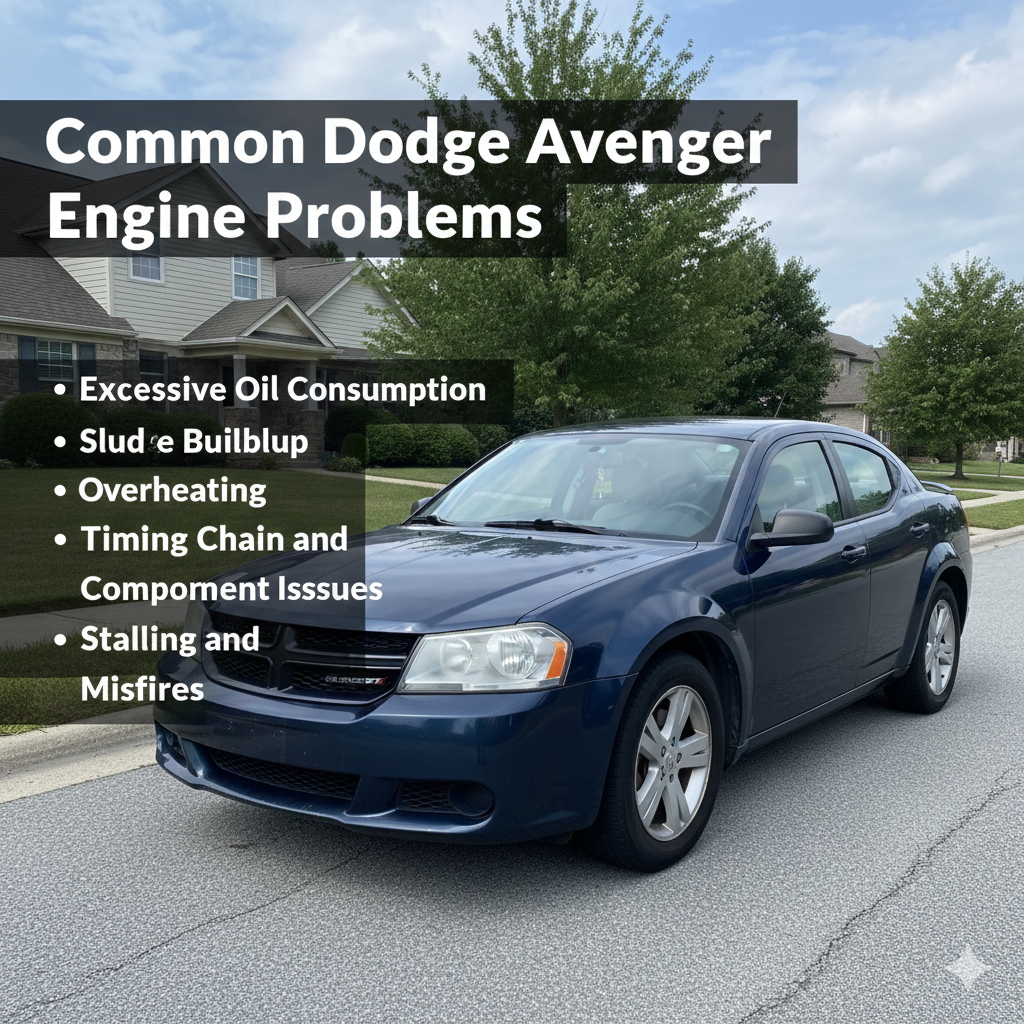
The Dodge Avenger is a midsize sedan that blends affordability, style, and practicality. One of the key aspects of the Avenger’s performance is its engine, which determines reliability, fuel efficiency, and driving experience. Over the years, the Dodge Avenger has been offered with a range of engines, each with unique characteristics and potential issues. Understanding these engines, the problems they may develop, and solutions—including replacement options—can help owners make informed decisions and maintain their vehicles effectively.
Overview of Dodge Avenger Engines
Dodge Avenger models come with several engine options depending on the year and trim level. The most common engines include:
-
2.4L Inline-4 Engine: This is the base engine for many Avenger models. It is designed for fuel efficiency and daily commuting. It delivers moderate power and smooth performance, making it ideal for city and highway driving. Its simple design contributes to lower maintenance costs and straightforward repairs.
-
2.7L V6 Engine: Found mostly in earlier models, this engine offers more power than the 2.4L but is known for some reliability concerns. While it provides better acceleration and torque, it requires careful maintenance to avoid long-term issues.
-
3.5L V6 Engine: This engine provides improved performance for higher trims. It offers stronger horsepower and torque, making the vehicle more responsive on highways and during overtaking maneuvers.
-
3.6L Pentastar V6 Engine: Available in later models, the Pentastar V6 combines modern engineering with durability, delivering higher horsepower, smoother operation, and improved fuel efficiency compared to older V6 engines.
All Dodge Avenger engines are designed to balance performance and fuel economy, making the vehicle suitable for both daily commuting and occasional long drives. However, as the vehicle ages or accumulates mileage, these engines can experience specific problems that may require attention.
Common Dodge Avenger Engine Problems
Despite their strengths, Dodge Avenger engines are not without issues. Owners have reported several recurring engine problems, particularly in high-mileage vehicles or older models. Some of the most common include:
1. Excessive Oil Consumption (2.4L Engine)
One of the most frequently reported problems is excessive oil consumption, particularly in the 2.4L inline-4 engine. Drivers often notice that the engine burns through oil faster than expected, even without visible leaks.
Cause: Worn piston rings and oil control issues within the engine lead to oil being burned during combustion.
2. Sludge Buildup (2.7L V6 Engine)
The 2.7L V6 engine is notorious for oil sludge buildup, which can restrict oil flow and cause internal damage over time.
Cause: Infrequent oil changes combined with high engine heat result in sludge formation. Once it accumulates, it can damage bearings, reduce lubrication, and even lead to engine failure.
3. Overheating
Many Dodge Avenger engines are prone to overheating, especially as vehicles age.
Cause: Worn thermostats, failing water pumps, coolant leaks, and clogged radiators can cause the engine to run hotter than normal. Overheating can lead to warped cylinder heads, blown head gaskets, and other costly internal damage.
4. Timing Chain and Component Issues
Rattling noises, poor acceleration, or engine misfires can indicate timing chain problems, often reported in higher-mileage V6 models.
Cause: Worn timing chains or tensioners due to delayed maintenance or insufficient lubrication.
5. Stalling and Misfires
Some Avenger engines experience stalling, rough idling, and misfires.
Cause: Faulty ignition coils, spark plugs, sensors, or fuel delivery issues can lead to inconsistent engine performance. Repeated misfires may also point to deeper internal wear.
Solutions for Dodge Avenger Engine Problems
Many of the common Dodge Avenger engine problems can be addressed through preventive maintenance, timely repairs, or replacement.
Regular Maintenance
-
Oil Changes: Frequent oil changes with high-quality oil prevent excessive consumption and sludge buildup.
-
Coolant System Checks: Regularly inspect hoses, water pumps, and radiators to prevent overheating.
-
Timing Components: Replace timing belts or chains and tensioners as recommended to avoid engine misfires or internal damage.
-
Ignition System Maintenance: Check spark plugs and coils periodically to prevent stalling and rough idling.
Preventive maintenance is especially important for older vehicles or engines with high mileage, as it can prevent minor problems from becoming costly repairs.
Engine Repair
For engines already experiencing issues, repairs can include:
-
Replacing piston rings or gaskets in engines with excessive oil consumption.
-
Cleaning or flushing sludge buildup in engines with oil-related problems.
-
Replacing damaged timing chains, tensioners, or water pumps.
-
Addressing faulty sensors or ignition components to resolve stalling and misfires.
While repairs can restore functionality, repeated problems may signal that the engine has reached the end of its serviceable life.
Engine Replacement
For Dodge Avenger owners facing major engine damage, replacing the engine is often the most cost-effective solution. Using a high-quality used engine restores reliability and performance at a fraction of the cost of a new vehicle.
Turbo Auto Parts is a trusted supplier of used Dodge Avenger engines. They provide engines that have been inspected, tested, and verified for compatibility, helping reduce the risk of post-installation issues. Using a reputable supplier ensures:
-
Correct engine fitment for your model year and trim.
-
Reliable performance with long-term value.
-
Warranty options for added peace of mind.
Engine replacement through a trusted supplier like Turbo Auto Parts is ideal when repairs are no longer practical.
Final Thoughts
The Dodge Avenger offers a solid balance of affordability, style, and performance, but its engines can develop specific problems over time. Common issues such as excessive oil consumption, sludge buildup, overheating, timing chain wear, and misfires can affect performance and reliability. Understanding these issues and addressing them proactively is essential for maintaining your Avenger.
Preventive maintenance, timely repairs, and engine replacement are all effective solutions to keep your Dodge Avenger running smoothly. For engine replacement, choosing a trusted supplier like Turbo Auto Parts ensures quality, compatibility, and long-term reliability. By taking these steps, Dodge Avenger owners can enjoy a dependable and cost-effective driving experience for many years.
Also Read: Where Can I Find a Reliable Cadillac ATS Engine For Sale?