
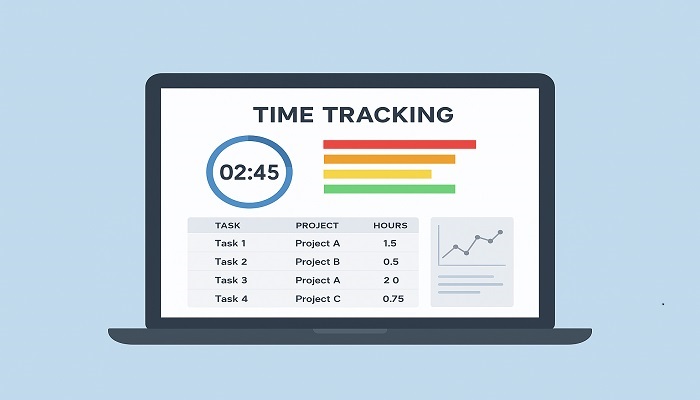
In today’s fast-paced digital workplace, productivity isn’t just a goal—it’s a competitive advantage. Companies are constantly seeking ways to work smarter, streamline workflows, and maximize efficiency without burning out their teams. While there’s no shortage of tools promising to boost output, one innovation stands out as transformative: time tracking software analytics. When implemented thoughtfully, it provides the insights teams need to optimize processes, pinpoint inefficiencies, and ultimately unlock peak productivity.
Why Traditional Time Tracking Falls Short
Most employees are familiar with manual time tracking—whether through spreadsheets, punch cards, or standalone timers. While these methods record activity, they lack context. They don’t reveal why tasks take as long as they do, how interruptions impact performance, or where bottlenecks occur.
Traditional tracking typically:
-
Gives incomplete information
-
Places the burden on users to categorize time
-
Discourages honest reporting due to perceived oversight
-
Fails to turn raw data into actionable insights
In short, tracking time alone doesn’t solve productivity problems. Analytics does.
Smart Time Tracking: A Productivity Game-Changer
Smart time tracking software takes a radically different approach. It’s designed not only to collect data but also to interpret it. Advanced analytics transform everyday work activity into insight-driven reports, giving leaders and employees a clearer understanding of how time is actually spent.
This approach shifts the narrative from “Where did the time go?” to “How can we improve how time is used?”
Benefits of Smart Time Tracking Software Analytics
1. Eliminating Guesswork from Decision-Making
Instead of relying on assumptions, leaders can view precise breakdowns of workflows. Analytics highlight:
-
Time spent on productive vs. unproductive tasks
-
Recurring distractions
-
Extended meetings, unnecessary communications, and task switches
-
Workload imbalance across staff
With this clarity, managers can prioritize what matters, remove friction points, and support employees more effectively.
2. Highlighting Bottlenecks Before They Escalate
Whether it’s delayed approvals, unclear task ownership, or insufficient resources, bottlenecks cost time and morale. Analytics show:
-
Where projects consistently stall
-
Which tasks are over-consuming time
-
How dependencies impact progress
This insight empowers teams to rework processes proactively, rather than reacting when deadlines loom.
3. Promoting Healthier Work Habits
Productivity isn’t about working more hours—it’s about using available time wisely. Tracking analytics help identify:
-
Overloaded team members
-
Unhealthy overtime patterns
-
Frequent interruptions that break focus
By spotting these trends early, teams can redistribute workloads and improve work-life balance—boosting productivity long-term.
4. Enhancing Accountability Without Pressure
Accountability has historically been associated with surveillance, leaving employees uncomfortable with time tracking. Smart systems change that by shifting accountability from punishment to self-improvement.
When employees see their own data:
-
They gain awareness of personal productivity patterns.
-
They can adjust priorities and eliminate inefficiencies.
-
They become more invested in their performance.
The goal is empowerment—not micromanagement.
5. Accurate Forecasting and Capacity Planning
Smart time tracking provides real-world data on how long tasks actually take. When repeated over time, this produces:
-
Better project planning
-
Improved budgeting
-
More accurate stakeholder expectations
-
Reduced burnout from unrealistic deadlines
This helps teams plan intelligently rather than relying on guesswork.
How Analytics Drive Productive Culture
At its core, productivity is influenced by habits, priorities, and culture. Smart analytics fuel cultural improvement in several ways:
-
Transparency: Everyone understands where time is invested.
-
Continuous Improvement: Teams learn and iterate based on real evidence.
-
Shared Responsibility: Productivity becomes a team mission, not a personal battle.
-
Collaboration: Data highlights opportunities to support each other.
When individuals work smarter, teams follow—driving organizational-wide performance gains.
Essential Features of Smart Time Tracking Systems
Not all software is created equal. The best solutions offer more than timers and reports. Here are capabilities that truly unlock peak productivity:
-
Automated time capture: Eliminates manual recording and error.
-
Real-time analytics: Gives timely insight rather than delayed reporting.
-
Integration with workflow tools: Seamlessly connects with project management, messaging, and productivity apps.
-
Customizable dashboards: Enables leaders to track metrics that matter most.
-
Insight-driven recommendations: Helps teams take action, not just analyze data.
-
Privacy safeguards: Ensures transparency and trust.
Real-World Use Cases
The value of analytics becomes evident across industries:
-
Software development: Track time spent in coding, debugging, meetings, and reviews to streamline sprint planning.
-
Marketing agencies: Monitor creative workflows to improve billing accuracy and resource allocation.
-
Professional services: Generate detailed reports to support project pricing and client communication.
-
Remote teams: Gain visibility without micromanaging distributed workers.
Regardless of industry, time analytics support smarter decision-making and improved outcomes.
Getting Started with Smart Time Analytics
To make the most of this technology, it’s essential to approach implementation deliberately:
-
Start with clear goals
Are you looking to reduce inefficiencies? Improve planning? Prevent burnout? -
Involve your team early
Transparency builds trust and encourages adoption. -
Focus on improvement—not surveillance
Reinforce that analytics exist to help, not punish. -
Use insights strategically
Look for recurring patterns rather than isolated incidents. -
Review data regularly
Weekly or monthly assessments help identify trends and adjust quickly.
The Future of Productivity is Data-Driven
As workplaces evolve, so too must the strategies we use to manage work. Smart time tracking software analytics represents a shift toward evidence-driven productivity, where decisions are informed by clear patterns rather than assumptions.
This approach allows teams to optimize workflows, understand their strengths, and continuously refine their performance—without increasing stress or hours worked. It’s not just about being busy; it’s about being effective.
Final Thoughts
Unlocking peak productivity isn’t about squeezing more hours from employees or creating rigid work structures. It’s about understanding how time is used and leveraging analytics to create smarter, healthier, more focused work environments.
With smart time tracking software analytics, teams gain insights that fuel sustainable improvement, help eliminate waste, and empower everyone to perform at their best. In an era where productivity is essential, this data-driven approach isn’t just valuable—it’s transformative. https://kinkedpress.com/?p=240796&preview=true