

Imagine sitting in your car on a bright summer afternoon. The sun is blazing, and despite the air conditioning, the glare is almost unbearable. You squint, trying to see through the harsh light, and your skin feels uncomfortably warm. Now, picture that same drive with windows that block out most of the sun’s harmful rays. The difference isn’t just in comfort-it’s in protection.
What Exactly Is UV Radiation?
Ultraviolet (UV) radiation is a type of energy emitted by the sun. It’s invisible to the naked eye but has powerful effects on our skin, eyes, and even the materials around us. UV rays are divided into three categories: UVA, UVB, and UVC. While UVC rays are mostly absorbed by the Earth’s atmosphere, UVA and UVB rays reach us and can cause damage.

UVA rays penetrate deeply into the skin, contributing to premature aging and wrinkles. UVB rays affect the surface layers of the skin and are primarily responsible for sunburns. Both types increase the risk of skin cancer. That’s why protecting yourself from UV radiation is crucial, whether you’re outdoors or inside a vehicle or building.
Interestingly, UV radiation also plays a significant role in the production of vitamin D in our bodies. When UVB rays hit the skin, they trigger a chemical reaction that leads to the synthesis of this essential vitamin, which is vital for bone health and immune function. However, this beneficial effect must be balanced against the risks of overexposure, as excessive UV radiation can lead to serious health issues, including skin cancer and cataracts. Therefore, understanding the dual nature of UV radiation is essential for making informed decisions about sun exposure—something many people explore further when they visit OC Tint Solutions for UV protection options.
Moreover, UV radiation is not just a concern for humans; it can also affect the environment and various materials. For instance, prolonged exposure to UV rays can degrade plastics, causing them to become brittle and lose their structural integrity. This degradation can have significant implications for outdoor furniture, vehicles, and even the surfaces of buildings. Additionally, UV radiation can impact ecosystems, affecting the growth of phytoplankton in oceans, which are crucial for the marine food web and play a significant role in carbon cycling. As such, the effects of UV radiation extend far beyond human health, influencing a wide array of biological and material processes in our world.
How Do Windows Handle UV Rays?
Most standard glass windows block UVB rays but allow UVA rays to pass through. This means that even if you’re inside your car or home, UVA rays can still reach you and cause damage over time. The longer you’re exposed, the more cumulative harm can occur.
Think about the driver who spends hours on the road every day. Without proper protection, one side of their body might receive significantly more UV exposure, leading to uneven skin aging and increased skin cancer risk. This is where window tinting becomes a game-changer.
The Limits of Untinted Glass
Clear glass typically filters out nearly 100% of UVB rays but only about 25-50% of UVA rays. That means a substantial amount of UVA radiation can enter through your windows. Over years, this exposure adds up, affecting your skin and eyes.
Why UV Protection Matters Inside Vehicles and Buildings
Many people assume that being indoors or inside a car means they’re safe from UV harm. Unfortunately, that’s not true. UVA rays can penetrate glass and cause skin damage even when you’re not outside. Window tinting helps fill this gap by blocking a much larger percentage of UVA rays.
In addition to skin health, prolonged exposure to UVA rays can lead to other serious health issues, such as cataracts and macular degeneration. These conditions can significantly impact vision and quality of life. For those who work long hours in front of windows or spend considerable time commuting, the importance of UV protection becomes even more apparent. By investing in window films or coatings that offer UV protection, individuals can create a safer environment that minimizes these risks.
Moreover, window tinting doesn’t just serve a protective function; it also enhances comfort and energy efficiency. Tinted windows can reduce glare, making it easier to see screens and reducing eye strain. They also help regulate indoor temperatures by blocking heat from the sun, which can lead to lower energy bills and a more comfortable living or working space. This dual benefit makes window tinting a practical choice for anyone looking to improve their environment while protecting their health.
What Is Window Tinting and How Does It Work?
Window tinting involves applying a thin film to the glass surface. This film is designed to absorb or reflect UV radiation, reducing the amount that passes through. The technology behind tinting has evolved significantly, offering a range of options tailored to different needs.
Some films are dyed to reduce glare and heat, while others use metalized layers or ceramic particles to block UV rays more effectively. The best window tints can block up to 99% of UVA and UVB radiation without compromising visibility.
Types of Window Tint Films
Dyed Films: These are the most basic and affordable. They use a layer of dye to absorb sunlight, reducing glare and some heat. However, their UV protection is moderate compared to other types.
Metalized Films: Contain tiny metallic particles that reflect heat and UV rays. They’re more durable and effective but can interfere with electronic signals like GPS or mobile phones.
Ceramic Films: Use non-metallic, nano-ceramic particles to block UV rays and heat. They offer excellent UV protection, don’t fade over time, and don’t interfere with electronics. These are often considered the premium choice.
The Benefits of UV Protection Through Window Tinting
Beyond reducing glare and heat, UV-blocking window tinting offers several important health and practical benefits.
Protecting Your Skin
Skin cancer is one of the most common cancers worldwide. Prolonged exposure to UV radiation is a major risk factor. Window tinting reduces UV exposure significantly, lowering the risk of skin damage and skin cancer for drivers and passengers.
It also helps prevent premature aging caused by UVA rays. Wrinkles, sunspots, and other signs of aging can be minimized with consistent UV protection.
Protecting Your Eyes
UV rays can damage the eyes, leading to cataracts, macular degeneration, and other vision problems. Window tinting reduces glare and blocks harmful rays, making driving safer and more comfortable.
Protecting Your Vehicle’s Interior
Sunlight can cause fading and cracking of upholstery, dashboards, and other interior materials. Window tinting helps preserve your vehicle’s interior, maintaining its value and appearance over time.
Energy Efficiency and Comfort
By blocking UV rays and reducing heat, window tinting can lower the need for air conditioning. This translates to better fuel efficiency in vehicles and lower energy bills in buildings. The interior stays cooler, making your environment more comfortable during hot days.
Common Misconceptions About Window Tinting
Despite its benefits, window tinting is sometimes misunderstood. Clearing up these misconceptions can help you make informed decisions.
“Window Tinting Is Only for Looks”
While tinted windows can enhance the appearance of a vehicle or building, their primary purpose is protection and comfort. The health benefits alone make tinting a worthwhile investment.
“All Tints Are the Same”
Not all window tints offer the same level of UV protection. Some cheap films may fade or peel quickly and provide minimal UV blocking. Choosing high-quality films ensures lasting protection.
“Tinting Makes Windows Too Dark”
Window tinting comes in various shades and levels of darkness. You can select a tint that balances UV protection with visibility, ensuring safety and comfort without overly dark windows.
Legal Considerations for Window Tinting
Different regions have laws regulating how dark window tints can be, especially on vehicles. These laws are designed to ensure driver visibility and safety.
Before tinting your vehicle’s windows, check local regulations to understand what’s allowed. Professional installers are usually knowledgeable about these rules and can help you choose compliant options.
How to Choose the Right Window Tint for UV Protection
Choosing the right window tint involves considering your needs, budget, and local laws.
Assess Your Exposure
If you spend a lot of time driving or sitting near large windows, investing in high-quality UV-blocking tint is wise. For homes or offices, consider how much sunlight the windows receive during the day.
Evaluate Tint Types
Ceramic tints offer the best UV protection and durability but come at a higher price. Metalized films provide good protection but may cause interference with electronics. Dyed films are affordable but less effective over time.
Professional Installation
Proper installation is key to maximizing the benefits of window tinting. Poorly applied films can bubble, peel, or reduce visibility. Choose experienced professionals who use quality products and provide warranties.
Maintaining Your Window Tint
Once installed, your window tint requires some care to keep it looking and performing its best.
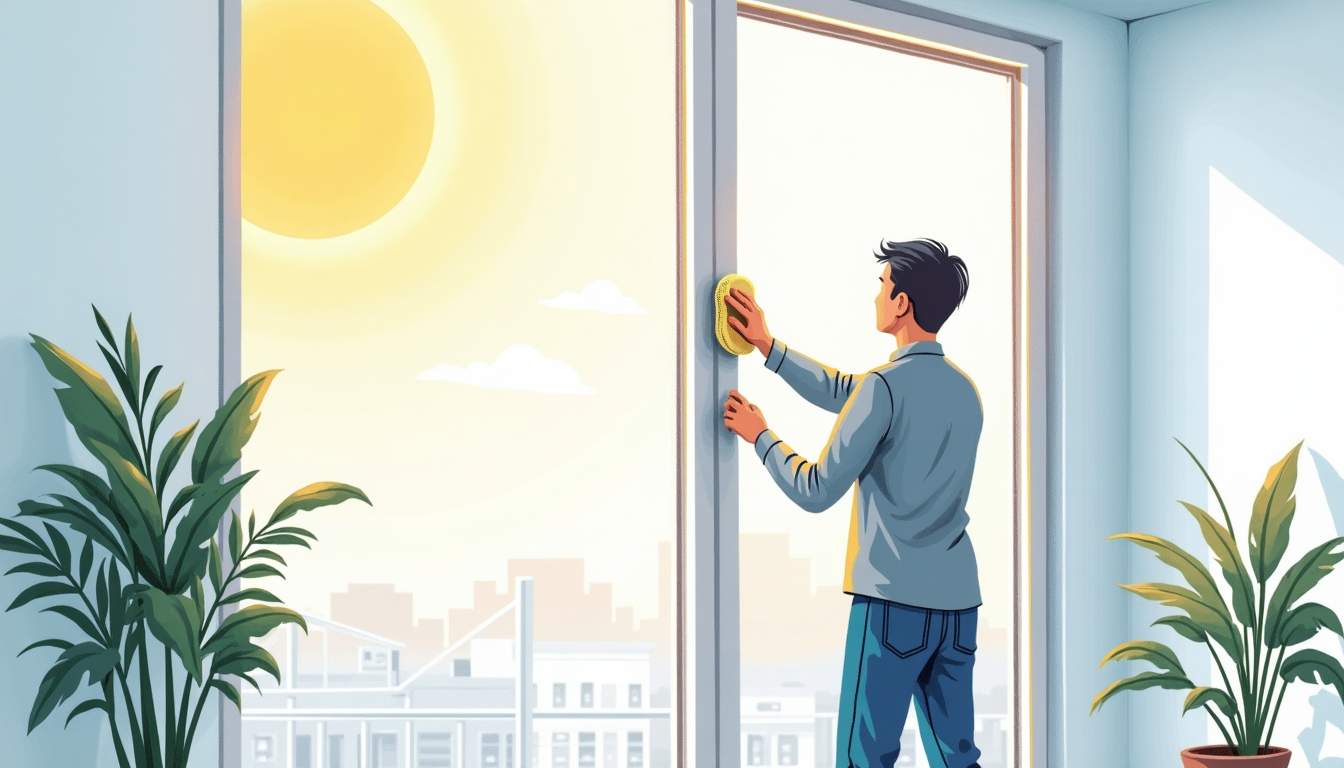
Avoid harsh cleaning chemicals and abrasive materials. Use a soft cloth and mild soap with water. Be gentle when cleaning to prevent scratches or peeling. Regular maintenance helps preserve the tint’s UV-blocking ability and appearance.
Final Thoughts
UV radiation is a silent threat that affects skin, eyes, and materials, often without immediate symptoms. Window tinting offers a simple, effective way to shield yourself and your belongings from this invisible danger.

Whether for your car, home, or office, investing in quality window tinting can improve comfort, protect health, and preserve value. It’s a smart choice that pays off every time you step inside.