
Clean and safe water is fundamental for every property whether domestic, commercial, or industrial. Yet, water tanks often become neglected and can quickly turn into a breeding ground for bacteria, algae, rust, and sediment. This not only affects water quality but can also lead to serious health risks, unpleasant odour, system damage, and higher maintenance costs. That’s why water tank treatment is essential for maintaining a healthy water supply and ensuring compliance with safety standards.
In this guide, we will explore the most effective water tank treatment techniques every property owner should know, along with the role of supporting processes like water tank purification, water disinfection, flow testing, HVAC balancing, ventilation cleaning, and more. Understanding each step will help you maintain system efficiency and protect both people and property.
Why Water Tank Treatment Matters
Water stored in tanks can quickly accumulate contaminants from natural deposits, ageing pipework, environmental pollutants, and stagnant water. Without regular treatment, tanks can harbour bacteria such as Legionella, harmful microbes, scale, sediment buildup, and corrosion.
Key benefits of professional water tank treatment include:
- Ensures safe, clean and odour-free water
- Protects users from waterborne diseases
- Improves system efficiency & flow performance
- Reduces repair and replacement costs
- Extends the life of water tanks & connected systems
- Ensures compliance with UK water safety regulations
Top Water Tank Treatment Techniques
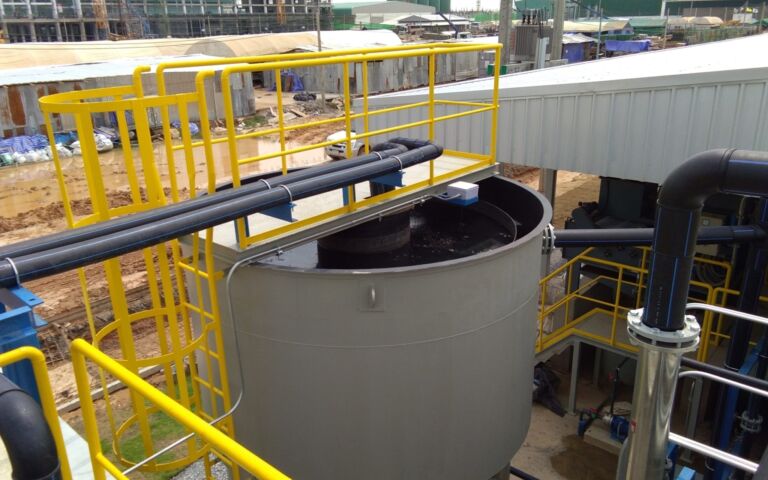
1. Comprehensive Tank Inspection
The first stage of effective water tank treatment is a detailed condition assessment. Specialists inspect tank structure, linings, pipework, flow rates, biological growth, and signs of leakage or corrosion. This helps determine the exact treatment required.
Inspections should be carried out at least once a year or more frequently in high-risk sites like hospitals or industrial facilities.
2. Water Tank Cleaning & Desludging
Over time, tanks collect sludge, rust flakes, sand, and scale formation from the piping system. This debris significantly reduces water quality and can accelerate bacterial growth.
Professional cleaning includes:
- Removing sediment
- Scrubbing internal surfaces
- Power washing and vacuum cleaning
- Disposing of waste safely
This step restores tank hygiene and improves water clarity and flow performance.
3. Water Tank Purification
Water tank purification involves removing harmful microorganisms, dissolved metals, and chemical contaminants from stored water. Purification methods may vary depending on water usage requirements potable, process water, or industrial applications.
Common purification processes include:
- Filtration
- Activated carbon treatment
- UV sterilization
- Reverse osmosis (for advanced purification requirements)
Purification ensures water remains safe for consumption and system distribution.
4. Water Disinfection
Even after mechanical cleaning, microorganisms can remain inside the tank. Water disinfection is therefore critical to eliminate bacteria, viruses, and pathogens.
Disinfection methods include:
- Chlorination
- Thermal disinfection
- UV treatment
- Chemical sanitisation
For potable water systems, chlorination is widely used and highly effective. Regular disinfection prevents outbreaks of diseases such as Legionnaires’, gastrointestinal illnesses, and bacterial contamination.
5. Flow Testing for Performance
After tank cleaning and disinfection, flow testing is carried out to verify that water flows efficiently throughout the distribution network. Poor flow can allow stagnation, which increases contamination risk and reduces system efficiency.
Flow testing helps identify:
- Blockages
- Pressure loss
- Dead legs and damaged pipe sections
- Balancing issues in distribution
Ensuring proper flow protects against system failure and maintains safe water circulation.
6. Domestic Water Treatment for Residential Properties
For homes and residential buildings, domestic water treatment is essential to ensure the water supply is safe for drinking, bathing, and household use. Many homeowners assume municipal water is always safe—but contamination can occur within storage tanks and pipelines.
Domestic water treatment may include:
- Filtration units
- Sediment removal
- pH and mineral balancing
- Residential tank chlorination
Routine treatment improves water taste, clarity, and odour while protecting family health.
7. Integration with HVAC Water Systems
In commercial and industrial facilities, water tanks are often connected to HVAC systems for heating and cooling operations. Poor tank hygiene can lead to blockages, scale, and energy inefficiency.
Processes like HVAC commissioning, HVAC balancing, and HVAC cleaning support clean water circulation throughout cooling and heating systems.
These practices:
-
Remove microbial growth & scale inside coils and pipes
-
Improve air & water system efficiency
-
Reduce energy consumption
-
Prevent corrosion and equipment failure
In addition, ventilation cleaning ensures air systems stay hygienic and free from dust, mould, and airborne contamination.
Routine Maintenance Schedule for Water Tank Treatment
| Action | Recommended Frequency |
|---|---|
| Tank inspection | Every 6–12 months |
| Deep cleaning & disinfection | Annually or as needed |
| Flow testing | After system changes |
| HVAC treatment | Every 6–12 months |
| Water quality testing | Quarterly or monthly in high-risk sites |
Who Needs Professional Water Tank Treatment?
- Homes and residential buildings
- Hospitals and healthcare facilities
- Hotels, gyms, and leisure centres
- Schools and universities
- Industrial and manufacturing plants
- Offices and commercial complexes
- Facilities with HVAC cooling systems
Any facility that stores water must take treatment seriously to ensure safety and compliance.
Final Thoughts
Effective water tank treatment is not just about cleaning it is about protecting lives, maintaining high-quality water, and ensuring efficient system performance. With the right treatment plan, property owners can eliminate contamination, prevent expensive repairs, and maintain regulatory compliance.
Investing in routine tank cleaning, purification, water disinfection, flow testing, and HVAC support creates a safer and more reliable water environment for everyone.
FAQs About Water Tank Treatment
1. How often should water tanks be cleaned?
At least once every 6–12 months—but more frequently in high-use or high-risk facilities.
2. Is professional water tank treatment better than DIY cleaning?
Yes, professionals use certified techniques, safety measures, and laboratory testing to fully remove bacteria and contaminants.
3. What are signs that a water tank needs treatment?
Bad smell, cloudy water, slow flow, rust particles, slime buildup, or user complaints.
4. Can tank treatment prevent Legionella?
Yes, cleaning, disinfection, temperature control, and flow management significantly reduce Legionella growth risk.
5. Does tank treatment improve water taste and odour?
Absolutely purification and disinfection remove foul smells, metallic taste, and visible impurities.