
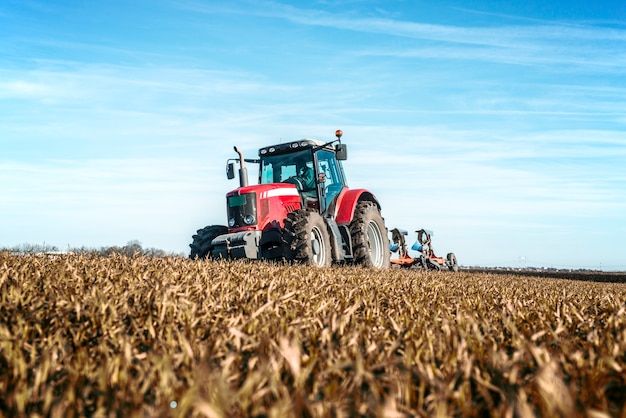
The agricultural sector serves as the backbone of the United Kingdom’s food security and rural economy. To maintain the seamless operation of a modern farm, a consistent and high-quality fuel supply is non-negotiable. Agricultural diesel suppliers do more than just drop off fuel; they act as critical partners in a farm’s annual cycle, ensuring that tractors, harvesters, and generators remain powered during the most demanding seasons. From the peaks of harvest in late summer to the essential maintenance work of mid-winter, these suppliers manage complex logistics to reach some of the most remote corners of the British countryside. For many farming families, the relationship with their fuel provider often spans generations because the industry is built on trust and the understanding that timing is everything.
Navigating Red Diesel Regulations and Compliance

One of the primary products supplied by agricultural diesel suppliers is gas oil, commonly known as red diesel. This fuel is chemically identical to the white diesel found at standard petrol stations but is marked with a distinctive red dye and chemical markers to signify its rebated tax status. In the UK, red diesel is intended solely for off-road use in specific sectors, with agriculture among the most prominent. It allows farmers to run heavy machinery, such as combine harvesters and balers, at lower cost, which is essential for maintaining the narrow profit margins often associated with food production. Navigating the legalities of red diesel use is a key service offered by reputable suppliers, especially since recent changes in UK law have restricted its use across many other industries.
Efficiency Through Combined Domestic Oil Delivery

Many agricultural businesses in the UK are integrated with domestic residences, such as farmhouses, worker cottages, and converted barns. This creates a unique logistical need where a single property requires multiple types of fuel. While the machinery runs on red or white diesel, the estate’s homes and offices typically use kerosene for heating. This is where the concept of domestic oil delivery becomes intertwined with agricultural supply. By using a single provider for both commercial and domestic needs, rural property owners can streamline their administrative tasks and often benefit from multi-buy discounts. A combined approach to fuel procurement allows for better inventory management, as a supplier can refill a bulk storage tank for tractors while simultaneously topping up the domestic heating oil tank.
Sustainable Fuel Alternatives and the Green Transition
The UK’s commitment to reaching net-zero emissions by 2050 is beginning to reshape the landscape of agricultural fuel supply. Suppliers are increasingly offering sustainable alternatives to traditional mineral diesel to help farmers reduce their carbon footprint. One of the most popular emerging options is Hydrotreated Vegetable Oil, or HVO. This is a paraffinic, renewable diesel that can be used as a direct drop-in replacement for standard diesel, with no modifications required to the engine. HVO can reduce greenhouse gas emissions by up to ninety percent, making it an attractive prospect for farms looking to enhance their environmental credentials. Beyond HVO, suppliers are also introducing additives and specialized lubricants designed to improve engine efficiency and longevity.
Managing Fuel Storage and Environmental Safety

Effective fuel management does not end at delivery. Agricultural oil supplier provide essential support in storage and environmental safety. In the UK, strict regulations govern how fuel is stored on farms to prevent leaks and spills that could contaminate the local water table or soil. Modern suppliers often offer tank inspection services, helping farmers ensure their equipment is bunded—meaning it has a secondary containment layer—and that it meets current environmental standards. In addition to hardware inspections, many suppliers now offer remote tank monitoring technology. These systems use ultrasonic sensors to track fuel levels in real time, sending alerts to both the farmer and the supplier when stock runs low to prevent runouts.
Choosing the Right Fuel Partner for Your Operation
Selecting a fuel supplier is a strategic decision for any agricultural business. The lowest price per litre is rarely the only factor to consider; reliability, speed of response, and the breadth of services offered are often more important in the long run. A local supplier with a deep understanding of the regional geography and weather patterns is often better equipped to handle emergencies than a distant national firm. When a farm needs an urgent domestic oil delivery or a bulk refill of red diesel during a narrow harvest window, the value of a dependable local depot cannot be overstated. Ultimately, the best agricultural diesel suppliers are those who view themselves as an extension of the farm team, dedicated to keeping the wheels of the British agricultural industry turning through every season.
Securing Your Assets Against Fuel Theft

As the value of agricultural diesel remains high, rural properties have become frequent targets for fuel theft. Agricultural diesel suppliers often emphasize that securing your storage is just as important as the fuel itself. To combat this, many UK farmers are investing in physical and technological deterrents. Steel bunded tanks, which are harder to breach than plastic alternatives, are becoming the standard for commercial storage. These are often coupled with high-quality closed-shackle padlocks and anti-siphoning devices to frustrate opportunistic thieves. Strategic placement of the tank near a habitable building or under the cover of motion-sensor lighting can also significantly reduce the risk of a late-night raid.
Technological advancements have introduced even more robust layers of protection. Many modern systems now feature tank telemetry that sends an immediate alert to a smartphone if a sudden drop in fuel level is detected, signaling a potential leak or theft in progress. Forensic marking dyes are another effective tool, making stolen fuel easier for police to trace and harder for thieves to resell. By maintaining a regular inventory and utilizing these integrated security measures, farmers can protect their investment. These same precautions are equally applicable to domestic oil delivery setups, ensuring that the kerosene intended for the family home is just as well-guarded as the gas oil used for the machinery.
Reliability and Emergency Delivery Services
In the fast-paced world of British agriculture, a dry fuel tank can lead to a complete standstill during the most critical times of the year. To mitigate this risk, leading agricultural diesel suppliers offer emergency delivery services that operate twenty-four hours a day, three hundred and sixty-five days a year. These specialized services are designed to get fuel to a site within hours, preventing costly downtime for businesses that cannot afford to wait for a standard delivery window. Whether it is a sudden spike in fuel consumption during a hectic harvest or a domestic oil delivery needed to restore heating to a farmhouse during a sub-zero cold snap, the ability of a supplier to react quickly is a cornerstone of rural support.
Many suppliers also offer priority fuel contracts, which guarantee a specific response time in exchange for a fixed facility fee. This provides an extra layer of insurance for large-scale operations and sensitive environments, such as poultry farms or dairies, where a power or heat failure could have devastating consequences. Furthermore, the use of personal account managers ensures that there is always a direct point of contact who understands the specific access requirements and historical usage patterns of the farm. This personalized service, combined with the logistical power of a nationwide depot network, ensures that the UK’s rural community remains resilient and powered through every season.