
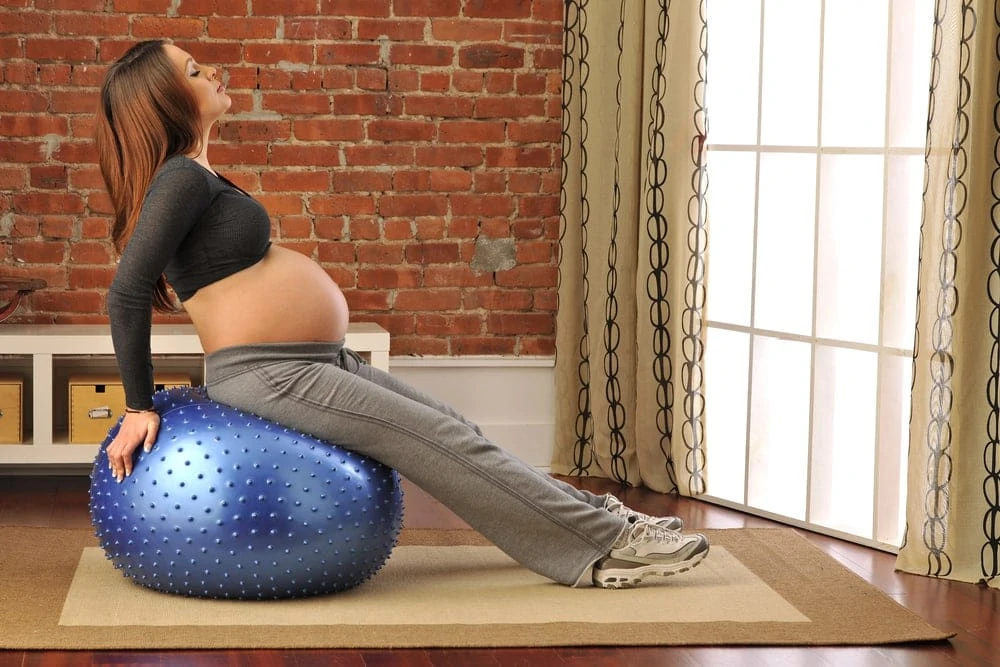
Pregnancy is a transformative period in a woman’s life, marked by physical, emotional, and hormonal changes. Staying active during this time not only promotes overall well-being but also prepares the body for childbirth and recovery afterward. One of the best ways to ensure a healthy pregnancy is by following structured Prenatal exercise Routines, which are specifically designed to accommodate the changing needs of expectant mothers. Whether you are a fitness enthusiast or a beginner, prenatal exercises can help you stay strong, improve circulation, and maintain a positive mindset throughout your pregnancy journey.
Why Prenatal Exercise Matters
Exercise during pregnancy offers numerous benefits beyond just physical fitness. It supports cardiovascular health, enhances flexibility, and reduces the likelihood of common pregnancy discomforts like back pain, swelling, and fatigue. Additionally, prenatal exercises help in regulating weight gain, improving mood, and boosting energy levels. By engaging in safe and effective routines, women can cultivate strength, endurance, and mental resilience that will serve them well during labor and delivery.
Key Guidelines for Safe Prenatal Exercise
Before diving into any prenatal exercise plan, it is essential to understand the guidelines that ensure both mother and baby remain safe:
1. Consult Your Healthcare Provider
Every pregnancy is unique. Some conditions, like preeclampsia, gestational diabetes, or high-risk pregnancies, may require modifications to standard routines. Always seek guidance from a healthcare provider before beginning any exercise program.
2. Listen to Your Body
Pregnancy is not the time to push limits. Pay attention to warning signs such as dizziness, shortness of breath, chest pain, or contractions. If any of these occur, stop exercising immediately and consult a medical professional.
3. Stay Hydrated and Cool
Pregnant women are more prone to overheating and dehydration. Always drink plenty of water and avoid exercising in hot, humid conditions.
4. Avoid High-Risk Activities
Steer clear of activities that carry a high risk of falling or abdominal trauma, such as skiing, horseback riding, or contact sports.
Top Prenatal Exercise Routines for Every Trimester
Exercise routines during pregnancy should evolve to match the trimester and the body’s changing needs. Here’s a breakdown of the most effective exercises for each stage:
First Trimester: Building a Foundation
During the first trimester, focus on maintaining general fitness and establishing a consistent routine:
-
Walking: A low-impact cardiovascular exercise that promotes heart health without stressing joints.
-
Swimming: Supports the body’s weight, reduces swelling, and provides a full-body workout.
-
Gentle Yoga: Improves flexibility, relieves stress, and strengthens the core.
-
Pelvic Floor Exercises: Strengthens pelvic muscles, aiding in labor and postpartum recovery.
Second Trimester: Strengthening and Stability
As the belly grows, balance and posture become crucial. Exercises during this trimester aim to support stability:
-
Prenatal Pilates: Focuses on core stability, improving posture and alleviating back pain.
-
Resistance Training: Light weights or resistance bands help maintain muscle tone and support joint health.
-
Low-Impact Aerobics: Keeps the cardiovascular system healthy without straining joints.
-
Modified Planks: Strengthens abdominal and back muscles safely with proper modifications.
Third Trimester: Preparing for Labor
The final trimester requires exercises that focus on comfort, flexibility, and mental preparation for childbirth:
-
Squats: Strengthen the lower body and open the hips for labor.
-
Walking and Swimming: Gentle cardio to maintain stamina.
-
Stretching and Deep Breathing: Helps relieve tension, reduces swelling, and promotes relaxation.
-
Prenatal Yoga: Focuses on breathing techniques, flexibility, and meditation, which are invaluable for labor.
Incorporating Strength and Flexibility Training
Strength and flexibility are cornerstones of a safe prenatal exercise routine. Strengthening muscles helps the body carry the added weight of pregnancy, while flexibility reduces muscle tension and improves circulation.
Strength Training Tips
-
Use light to moderate weights.
-
Perform exercises in sets of 10–15 repetitions.
-
Focus on major muscle groups: legs, arms, back, and core.
-
Avoid lying flat on your back after the first trimester to prevent restricted blood flow.
Flexibility and Stretching Tips
-
Stretch slowly and gently to avoid injury.
-
Incorporate yoga poses that open the hips, shoulders, and chest.
-
Focus on areas prone to tightness, such as the lower back, hamstrings, and calves.
Cardiovascular Health During Pregnancy
Maintaining cardiovascular health is critical during pregnancy. Aerobic exercises enhance circulation, improve stamina, and can even help regulate mood by releasing endorphins. Ideal cardiovascular exercises include walking, swimming, stationary cycling, and low-impact aerobics.
Important tips for safe cardio workouts:
-
Keep the intensity moderate—aim to maintain a conversation while exercising.
-
Avoid sudden movements or high-impact activities.
-
Wear supportive footwear to reduce stress on the joints.
The Role of Health and Wellness in Pregnancy
Maintaining overall Health and wellness during pregnancy is about more than just exercise—it includes proper nutrition, mental well-being, and rest. Regular physical activity complements these aspects, creating a holistic approach to pregnancy care.
-
Nutrition: Consume balanced meals rich in protein, fiber, healthy fats, and essential vitamins to support both maternal health and fetal growth.
-
Rest: Adequate sleep and short naps are crucial, especially as the body works harder to support the growing baby.
-
Mental Health: Exercise helps reduce stress, anxiety, and mood swings. Practices like prenatal yoga and meditation enhance mindfulness and emotional resilience.
Tips for Staying Motivated
Maintaining motivation can be challenging during pregnancy due to fatigue, body changes, and hormonal fluctuations. Here are practical tips:
-
Set Realistic Goals: Focus on maintaining consistency rather than intensity.
-
Join a Prenatal Class: Engaging with other expectant mothers provides social support and accountability.
-
Track Progress: Keep a journal of exercises, mood, and energy levels.
-
Listen to Your Body: Modify routines as needed to stay safe and comfortable.
-
Celebrate Small Wins: Recognize every effort, whether it’s completing a walk, holding a plank, or attending a yoga session.
Common Myths About Prenatal Exercise
Many misconceptions can deter women from exercising during pregnancy. Let’s debunk some common myths:
-
Myth 1: Exercise can harm the baby.
Truth: When done correctly, prenatal exercise is safe and beneficial for both mother and baby. -
Myth 2: Pregnant women should “rest” and avoid movement.
Truth: Moderate activity supports physical and mental health and can even ease labor. -
Myth 3: Only athletes can exercise during pregnancy.
Truth: Prenatal exercise routines are designed for all fitness levels, from beginners to advanced practitioners. -
Myth 4: You can’t exercise if you have a high-risk pregnancy.
Truth: Many women with high-risk pregnancies can still benefit from modified, gentle exercises under medical supervision.
Sample Weekly Prenatal Exercise Plan
Here’s a flexible exercise plan for expectant mothers at any fitness level:
| Day | Activity | Duration |
|---|---|---|
| Monday | Walking or stationary cycling | 20–30 min |
| Tuesday | Prenatal yoga or stretching | 30 min |
| Wednesday | Strength training (light weights) | 20–25 min |
| Thursday | Swimming or low-impact aerobics | 25–30 min |
| Friday | Pilates or core exercises | 20–25 min |
| Saturday | Walking or hiking | 20–30 min |
| Sunday | Rest or gentle stretching | 15–20 min |
Tip: Adjust duration and intensity based on energy levels and trimester.
Preparing for Labor Through Exercise
Certain exercises help prepare the body for labor by strengthening key muscles, improving endurance, and enhancing flexibility:
-
Pelvic Floor Exercises (Kegels): Strengthen muscles involved in delivery.
-
Squats and Lunges: Promote flexibility in the hips and improve lower body strength.
-
Breathing Exercises: Enhance oxygen flow and provide relaxation techniques useful during contractions.
-
Prenatal Yoga: Encourages mental focus, balance, and mindfulness, aiding in labor preparedness.
Postpartum Benefits of Prenatal Exercise
Maintaining a prenatal exercise routine pays dividends even after childbirth:
-
Faster recovery and weight management.
-
Improved mood and reduced risk of postpartum depression.
-
Increased energy levels for caring for the newborn.
-
Enhanced core and pelvic strength, reducing the risk of long-term back or joint issues.
Safety Checklist for Prenatal Workouts
-
Warm-up and cool down to prevent injury.
-
Avoid exercises requiring lying flat on your back after the first trimester.
-
Modify intensity according to trimester and energy levels.
-
Stay hydrated and wear comfortable clothing.
-
Stop exercising if experiencing pain, dizziness, or unusual symptoms.
Final Thoughts
Engaging in structured Prenatal exercise Routines is one of the most empowering ways to care for both body and mind during pregnancy. By combining strength, flexibility, and cardiovascular training, expectant mothers can promote Health and wellness, manage pregnancy discomforts, and prepare for labor and postpartum recovery. Remember, every pregnancy is unique, and it’s essential to listen to your body and seek professional guidance when necessary. With consistency, patience, and mindful practice, exercise can transform the pregnancy journey into a positive, energetic, and healthy experience.