
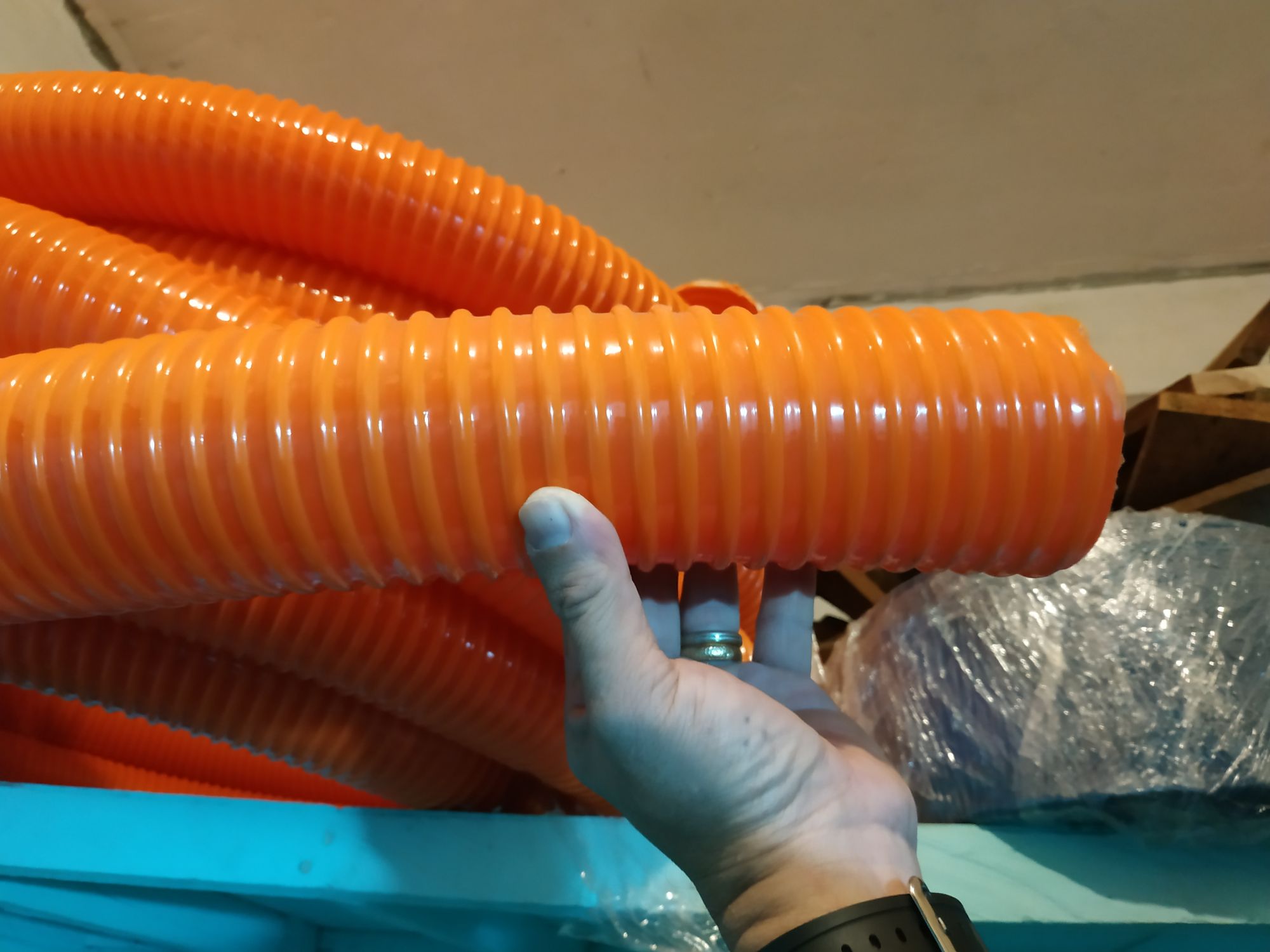
Corrugated hoses play a vital role in many industries. They offer flexibility and durability for fluid transfer. Engineers choose them for challenging environments. These hoses handle pressure and movement well. People use them in manufacturing, automotive, and chemical sectors. This guide explores their features and uses. You will learn key aspects to make informed decisions.
Manufacturers design corrugated hoses with ridges for better bendability. Experts at corrugated hose companies produce high-quality versions. These designs prevent kinking during operation. Users appreciate their resistance to wear. Additionally, they adapt to tight spaces easily. For instance, installers fit them in complex machinery setups.
What Is a Corrugated Hose?
A corrugated hose features a wavy structure. This design enhances flexibility without sacrificing strength. Factories create them from various materials. The corrugations allow expansion and contraction. As a result, they absorb vibrations effectively. Moreover, they resist crushing under external forces.
You find these hoses in different diameters. Smaller ones suit household applications. Larger versions handle industrial demands. Engineers specify them based on pressure ratings. Therefore, selecting the right size matters greatly. In addition, consider the medium they transport.
The manufacturing process involves extrusion or molding. Machines form the corrugated pattern precisely. Quality control ensures consistent performance. Consequently, reliable hoses last longer in service.
Types of Corrugated Hoses
Several types exist for specific needs. First, annular corrugated hoses have ring-like waves. They provide excellent flexibility for dynamic applications. Second, helical versions feature spiral corrugations. These offer superior flow characteristics.
Additionally, braided corrugated hoses include outer reinforcements. The braiding adds burst resistance. For example, stainless steel braids protect against abrasion. Furthermore, non-metallic types use plastics like PVC. They suit corrosive environments well.
Another category includes vacuum-rated hoses. These maintain shape under negative pressure. Users employ them in suction systems. Therefore, understanding types helps in proper selection.
Annular vs. Helical Designs
Annular designs bend easily in multiple directions. They work best for installations with movement. However, helical ones promote smoother fluid flow. This reduces turbulence inside the hose.
In contrast, annular hoses might trap particles. Yet, they excel in high-flex applications. For instance, robotics use annular types frequently.
Reinforced Options
Braided reinforcements enhance durability. Manufacturers add layers for extra protection. As a result, these hoses withstand higher pressures. Moreover, they prevent expansion under load.
Non-metallic reinforcements use fibers or composites. They lighten the hose weight. Consequently, installation becomes simpler.
Materials Used in Corrugated Hoses
Materials determine hose performance. Stainless steel offers corrosion resistance. It handles high temperatures effectively. Aluminum provides lightweight alternatives. However, it suits less demanding uses.
Plastics like PTFE resist chemicals strongly. They prevent contamination in food industries. Rubber materials add elasticity. For example, EPDM works well outdoors.
Composites combine metals and polymers. These hybrids balance strength and flexibility. Therefore, choose materials based on application needs.
Metal Materials
Stainless steel dominates industrial settings. It endures harsh conditions reliably. Moreover, alloys like Hastelloy resist specific corrosives.
Aluminum reduces overall system weight. Engineers select it for aerospace applications. In addition, it conducts heat efficiently.
Non-Metal Materials
PTFE liners ensure purity in transfers. They repel most substances easily. Consequently, cleaning becomes straightforward.
Rubber compounds absorb shocks well. They seal connections tightly. For instance, silicone suits medical equipment.
Applications Across Industries
Industries rely on corrugated hoses daily. In automotive, they connect fuel systems. Mechanics install them for exhaust routing. Additionally, they manage coolant flows.
The chemical sector uses them for hazardous transfers. They contain spills effectively. Moreover, pharmaceutical plants employ them for sterile processes.
Construction sites use them for drainage. Workers pump water through them. Therefore, versatility drives their popularity.
Industrial Manufacturing
Factories integrate them into assembly lines. They transport gases and liquids. For example, welding operations use them for argon supply.
Robotics incorporate them for hydraulic controls. This ensures precise movements. Consequently, productivity increases.
Household and Commercial Uses
Homeowners use them in vacuum cleaners. They extend reach effortlessly. In addition, gardening tools feature them for watering.
Commercial kitchens employ them for gas lines. Chefs connect appliances safely. Furthermore, they facilitate easy maintenance.
Benefits of Using Corrugated Hoses
Corrugated hoses offer numerous advantages. First, their flexibility simplifies installation. Installers route them around obstacles quickly. Second, durability extends service life.
They reduce maintenance costs over time. Users replace them less frequently. Moreover, they enhance system efficiency.
Vibration absorption protects connected equipment. This prevents premature failures. Therefore, overall reliability improves.
Flexibility and Durability
The corrugated design allows tight bends. It maintains flow without restrictions. As a result, systems operate smoothly.
Durability stems from robust materials. They resist environmental factors. For instance, UV exposure affects them minimally.
Cost-Effectiveness
Initial costs vary by material. However, long-term savings accrue. Reduced downtime boosts profitability.
Energy efficiency comes from low friction. Fluids move with less resistance. Consequently, pumps work less hard.
Installation and Maintenance Tips
Proper installation ensures optimal performance. Measure lengths accurately first. Avoid sharp bends during routing. Secure connections with appropriate fittings.
Maintenance involves regular inspections. Check for cracks or leaks. Clean hoses periodically to remove debris.
Store them in cool, dry places. This prevents material degradation. Therefore, follow guidelines for longevity.
Installation Best Practices
Use tools designed for hoses. Torque fittings to specifications. Test systems under pressure afterward.
In addition, label hoses for easy identification. This speeds up troubleshooting.
Maintenance Routines
Schedule visual checks monthly. Replace worn parts promptly. Document all activities for records.
Furthermore, train staff on handling procedures. This minimizes errors.
Choosing the Right Corrugated Hose
Selection requires careful consideration. Assess operating pressure first. Match it to hose ratings. Next, evaluate temperature ranges.
Consider the medium’s compatibility. Ensure materials won’t react. Additionally, factor in environmental conditions.
Consult experts for complex needs. They provide tailored recommendations. Consequently, you avoid costly mistakes.
Key Factors to Consider
Pressure and temperature dictate material choice. High values demand metals. Low ones allow plastics.
Length and diameter affect flow rates. Calculate them precisely. For example, oversized hoses waste space.
Common Mistakes to Avoid
Ignoring bend radius leads to failures. Always check manufacturer specs. Moreover, skipping tests risks leaks.
Overlooking certifications harms compliance. Verify standards like ISO. Therefore, prioritize quality.
In conclusion, corrugated hoses transform fluid handling. They combine flexibility with strength. Industries benefit from their versatility. You can select them confidently now. Explore options to suit your needs. This guide equips you well.