
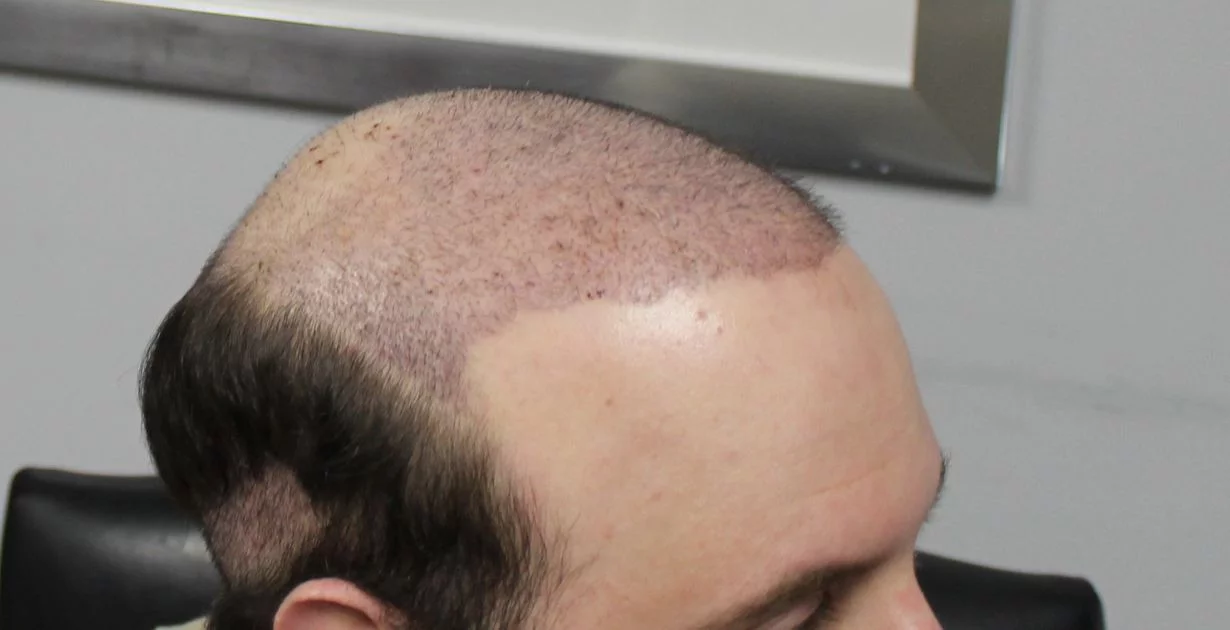
If you’re losing hair and searching for a permanent, natural-looking solution, you’ve likely come across the term FUE saudi hair transplant. Considered the gold standard in modern hair restoration, FUE (Follicular Unit Extraction) is minimally invasive, scar-free, and highly effective for both men and women.
But if this is your first time considering a hair transplant, you probably have dozens of questions:
Is it painful? How is it done? What results can I expect? How long does recovery take?
This comprehensive guide answers all your questions and walks you step-by-step through the entire FUE process—from consultation to final results.
What Is an FUE Hair Transplant?
FUE (Follicular Unit Extraction) is a technique where individual hair follicles are harvested from the donor area—usually the back or sides of the scalp—then implanted into thinning or balding areas.
Key features of FUE:
-
No visible linear scar
-
Faster healing
-
Minimal discomfort
-
Natural-looking results
-
Suitable for both men and women
Unlike outdated strip surgery (FUT), FUE uses micro punches (0.7–1.0 mm), making it more advanced and gentle.
Why Choose FUE for Your First Hair Transplant?
1. Virtually Painless
The procedure is done using local anesthesia, so you remain awake but feel no pain.
2. Quick Recovery
Most patients return to work in 2–5 days.
3. Minimal Scarring
Tiny extraction points heal invisibly, even with short hairstyles.
4. Natural and Permanent Results
FUE grafts mimic natural hair growth patterns.
5. Suitable for Many Types of Hair Loss
From early thinning to advanced balding, FUE adapts to your needs.
Step-by-Step Process: What to Expect
1. Initial Consultation
During your first appointment, the specialist will:
-
Assess your hair loss pattern
-
Examine your donor area
-
Discuss your expectations
-
Recommend graft numbers
-
Explain the procedure, cost, and timeline
Good clinics may take photos, run scalp analysis, or even perform density checks.
2. Pre-Procedure Guidelines
Your clinic will give you instructions such as:
-
Avoid alcohol and smoking for 48–72 hours
-
Stop blood thinners (with your doctor’s approval)
-
No caffeine on the day of the procedure
-
Wash hair with a prescribed shampoo
-
Wear a button-down shirt to avoid friction
These steps help ensure smoother surgery and better healing.
3. Hairline Design
Your surgeon will draw a personalized hairline based on:
-
Your age
-
Facial proportions
-
Existing hair density
-
Desired outcome
This is one of the most important stages, as it determines how natural your final look will be.
4. Donor Area Preparation
The donor area (back of the head) may be shaved or trimmed to allow precise extraction.
Why this area?
Hair at the back is genetically resistant to balding, so once transplanted, it keeps growing permanently.
5. Local Anesthesia
The scalp is numbed using small injections. You may feel slight pressure, but no pain afterward.
6. Follicle Extraction
Using a micro-punch tool, the surgeon extracts individual hair follicles. This process may take 2–4 hours, depending on graft needs.
Extraction methods:
-
Manual FUE – More precise
-
Motorized FUE – Faster
-
Robotic FUE (ARTAS) – Very accurate
The extracted follicles are collected and kept in a preservation solution.
7. Creating Recipient Sites
Tiny incisions are made in the bald or thinning areas to determine:
-
Angle
-
Depth
-
Direction
-
Density
This step affects how natural the hair will look once it grows.
8. Graft Implantation
Grafts are implanted into the incisions with specialized forceps or implanter pens.
This stage requires exceptional skill to create:
-
Fullness
-
Natural flow
-
Realistic density
Once completed, the scalp is cleaned and bandaged.
How Long Does an FUE Procedure Take?
Depending on the graft number, FUE typically takes:
-
Small sessions: 3–4 hours
-
Medium sessions: 5–6 hours
-
Large sessions: 7–8+ hours
Some clinics divide large sessions over 2 days.
FUE Hair Transplant Recovery Timeline
Day 1–3
-
Mild swelling
-
Redness in donor and recipient areas
-
Tiny scabs form around grafts
-
Sleep at 45° angle
Day 4–7
-
Scabs start falling off
-
Swelling subsides
-
Gentle washing begins
Week 2–3
-
Transplanted hair sheds (normal process)
Month 1–3
-
New hair roots settle
-
“Ugly duckling phase” may occur (temporary thinning)
Month 4–6
-
Visible new growth
-
Hair becomes thicker and stronger
Month 9–12
-
Major transformation
-
Density improves significantly
Month 12–18
-
Final results achieved
-
Fully natural appearance
How Many Grafts Do You Need?
Below is a general guideline (varies per person):
| Hair Loss Area | Graft Range |
|---|---|
| Receding Hairline | 800–1500 |
| Frontal Zone | 1500–2500 |
| Crown Area | 1200–2000 |
| Full Head | 3500–5000+ |
Your surgeon will determine the exact number after examining your scalp.
Is FUE Suitable for Everyone?
You are a good candidate if:
-
You have healthy donor hair
-
You have realistic expectations
-
Your scalp is in good condition
-
You’re over 21
-
You’re in good health
NOT ideal for:
-
Very poor donor density
-
Severe medical issues
-
Unstable alopecia areata
A consultation is necessary to confirm.
Possible Risks (Minimal But Important to Know)
Although FUE is safe, minor side effects may include:
-
Redness
-
Swelling
-
Temporary numbness
-
Itching
-
Mild discomfort
Serious complications are extremely rare when performed by a qualified surgeon.
FUE Hair Transplant Cost
The cost depends on:
-
Country
-
Clinic expertise
-
Number of grafts
-
Technology used
On average:
-
Saudi Arabia: 6,000 – 15,000 SAR
-
UAE: 8,000 – 20,000 AED
-
Turkey: 1,500 – 3,000 USD
-
USA/UK: Much higher
FUE is more expensive than FUT due to the time and skill required—but results are superior.
Tips for First-Time Patients
-
Choose an experienced surgeon
-
Avoid extremely cheap clinics
-
Don’t rush your hairline design
-
Follow all post-care instructions
-
Be patient—results take time
-
Maintain a healthy lifestyle
Why FUE Is the Best Option for First-Timers
-
Less pain
-
Faster healing
-
No visible scar
-
Natural outcomes
-
Highly customizable
-
Suitable for small to large areas
Most first-time patients prefer FUE because it combines safety, technology, and superior aesthetics.
Conclusion
FUE hair transplant is one of the most effective, advanced, and reliable methods for restoring natural hair. For first-time patients, it offers a smooth experience with minimal discomfort and long-lasting results that look incredibly natural.
Whether you’re experiencing early thinning or advanced baldness, FUE can help you regain confidence, restore your youthful look, and enjoy permanent hair growth.