
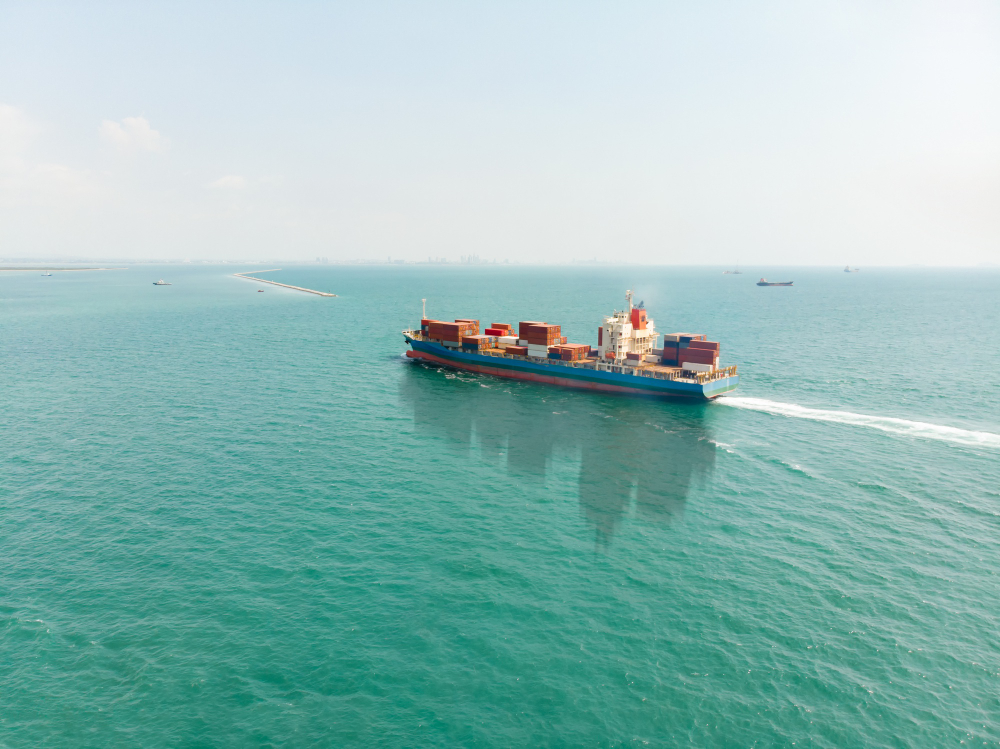
Companies sending goods around the world face many complex business obstacles. An Enterprise Resource Planning (ERP) system is a strong platform for improving international shipping in the Philippines. This software manages and connects a company’s day-to-day operations into one single system. The goal is to bind all different computer systems together so data can flow freely between departments.
What is an ERP System?
ERP refers to a software suite that a company uses to run almost every aspect of its business. It is a centralized system for planning, purchasing, inventory, sales, and finance, among other areas. By bringing all transactional data into a common database, the ERP removes duplicate information. This means that everyone in the company works with data that is correct, up-to-date, and complete.
ERP in the Context of Shipping
For a logistics business, an ERP works as the central nervous system for the entire freight operation. It allows teams to coordinate customer orders across all different shipping carriers. The software manages the complex steps of shipment processing, rate shopping, and tracking on a single platform. It lets managers quickly view carrier prices and choose the most cost-effective option. An ERP with a supply chain management module also helps businesses match product supply with customer demand.
Why ERP is Important for Philippine Logistics
The Philippines’ physical makeup as an archipelagic nation presents many unique logistics hurdles. Freight forwarders must overcome systemic challenges in their day-to-day work. An integrated ERP system offers good foresight to help companies quickly respond to market changes. This technology becomes a backbone that keeps a shipping business running smoothly across all its channels.
Addressing Local Industry Challenges
Companies often face bottlenecks because major ports in the Philippines, like Manila, have congestion issues. Complex customs rules and the tough regulatory environment cause delays and add compliance risks. Without real-time data, companies are left to only react to problems instead of managing operations before they arise. ERP gives companies real-time information to plan for problems before they happen.
Solving Operational Fragmentation
Many logistics companies still depend on disconnected systems, manual processes, and old software. This causes inefficiencies and poor communication between different teams. A single ERP platform gives a unified view of the company’s entire supply chain. This centralization allows different departments to synchronize their work, leading to faster and better results. By removing these disjointed systems, the business gains more accurate and actionable insights.
How ERP Streamlines International Shipping Operations
ERP systems help shipping companies move past manual work and move toward automated workflows. It brings significant improvements to daily tasks and long-term business planning.
Automating Compliance and Documentation
Customs compliance requires careful handling of many documents for both imports and exports. A specialized ERP module can automate the fast creation of all required shipping and customs documentation. This function helps companies easily meet all government and international compliance regulations. The system digitally stores documents like bills of lading and customs forms in a single, organized place. Automation greatly reduces human errors that often occur during manual data entry.
Providing Real-Time Visibility
A lack of clear visibility is a major roadblock in the logistics supply chain. ERP connects suppliers, warehouses, transporters, and customers into one unified digital platform. Managers can monitor every step of the process, from the first pickup to the moment of delivery, in real time. For example, the status of a shipping container will automatically update across all modules when it leaves the port. This capability gives all teams a live picture of the shipment, which helps faster decision-making.
Optimizing Supply Chain and Inventory
The software helps companies gain better control over inventory and reduce unnecessary costs. By tracking stock levels and orders, ERP helps companies avoid overstocking or running out of goods. It provides real-time data for companies to forecast demand and manage supplier relationships more effectively. This improved inventory control results in lower holding costs and a faster order fulfillment rate. The automation of stock adjustments frees up employees for tasks that bring in more profit.
Improving Customer and Partner Communication
ERP solutions include features for Customer Relationship Management (CRM). These tools improve interactions with customers and communication with outside partners. The system can send automatic alerts and provide detailed tracking information to clients. Many ERPs offer a customer portal where clients can check the status of their own shipments at any time. This transparency in providing quick updates builds strong customer satisfaction and loyalty.
Supporting Business Growth and Scalability
Digital transformation helps Philippine logistics stay competitive. ERP software collects data and performs analytics to help managers make better future plans. A good system is scalable, meaning it can handle many new users and more functions as a business expands. A well-installed ERP prepares a company to handle a much greater volume of orders without any delays or errors. This provides the agility and control needed to meet the demands of rapid growth.
Key Takeaway
A modern, integrated ERP system offers Filipino logistics companies the path to higher efficiency and better control. The software helps to overcome many long-standing hurdles that complicate international shipping in the Philippines. Automating complex work and centralizing information gives businesses the intelligence to act before problems start. Companies that adopt this technology gain the agility and reliability required to thrive in the modern, fast-paced global market.