
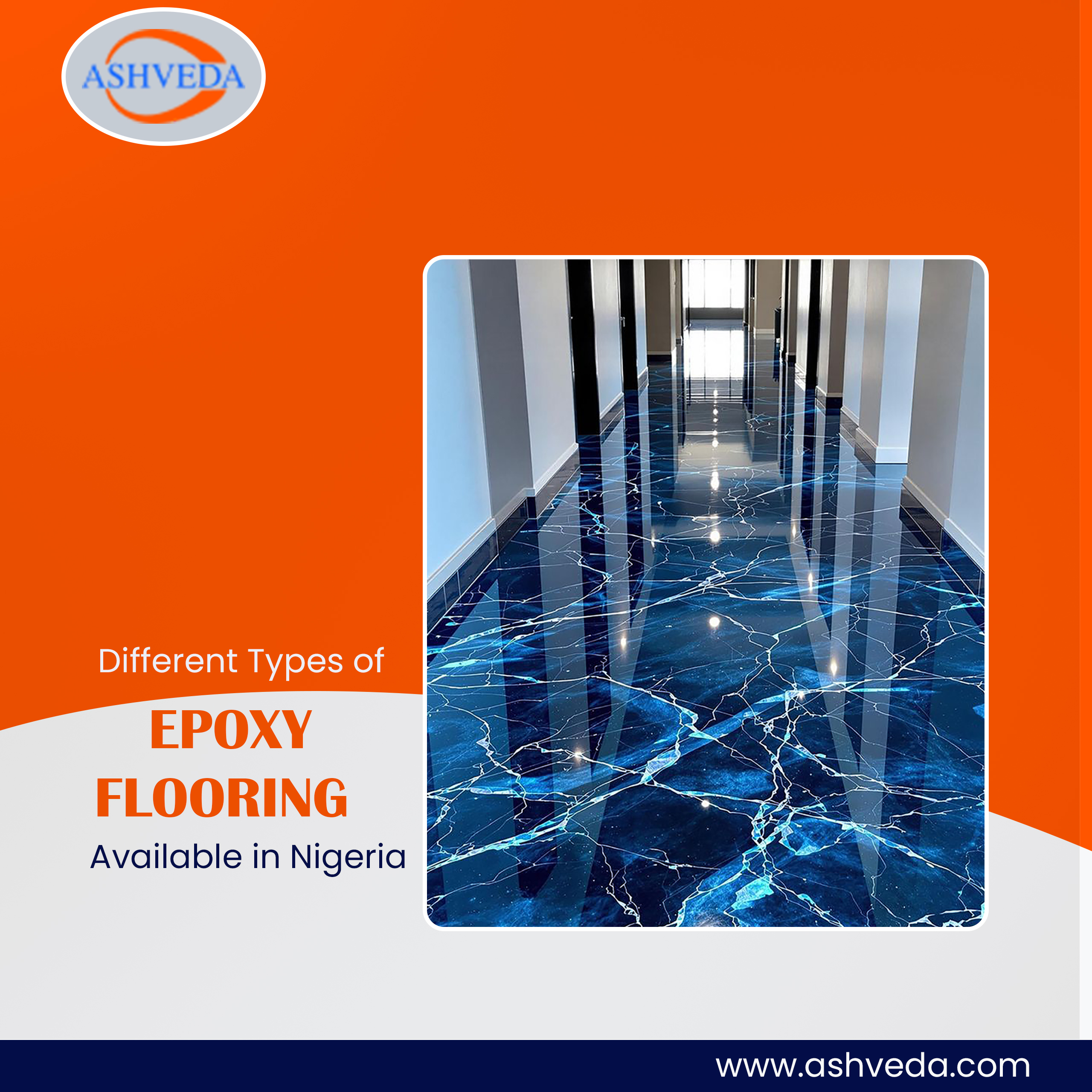
Epoxy flooring in Nigeria is fast becoming a preferred choice for homeowners who want a combination of style, durability, and low maintenance. In recent years, many Nigerian families are trading in traditional tile or terrazzo for epoxy floors, thanks to its seamless and glossy finish. The climate in Nigeria—with heat, humidity, and occasional flooding—makes epoxy particularly attractive because it resists moisture and wear. Compared to cracked tiles or dusty cement, epoxy gives a clean, refined look that elevates any room. Installation is relatively quick, involving surface preparation, primer, resin-hardener mix, and curing. Its long lifespan means homeowners save in the long run, as they won’t need to replace broken or stained floors frequently. Maintenance requires little more than regular sweeping and mopping. Designs can also be customized with metallic swirls, flakes, or even 3D effects, making every floor a potential piece of art. For families looking to renovate or build, epoxy offers both a functional and aesthetic upgrade. Whether for a living room, kitchen, or hallway, epoxy flooring in Nigeria brings together practicality and elegance with impressive durability, making epoxy flooring in Nigeria a smart investment.
One of the standout qualities of epoxy flooring is its incredible durability. Unlike ordinary concrete, which is prone to cracking, staining, and dust formation, epoxy surfaces are exceptionally tough and resilient. This makes them ideal not just for homes but also for warehouses, factories, shopping malls, hospitals, schools, restaurants, and offices. In a busy household or commercial setting where furniture is moved frequently, children run around, and spills happen daily, epoxy withstands it all. It does not chip easily, nor does it get damaged by heat, chemicals, or heavy foot traffic. For Nigerian homeowners who often deal with water damage during the rainy season, epoxy is a particularly reliable choice because of its resistance to moisture and its ability to seal the concrete beneath it.
Another reason epoxy flooring is gaining ground in Nigeria is its versatility. Unlike tiles that come in fixed patterns and limited colour preferences, epoxy offers limitless design possibilities. Metallic epoxy, for example, creates a swirling, marble-like effect that gives rooms a luxurious, high-end appearance. Flake epoxy adds texture and slip resistance, making it ideal for garages, outdoor walking areas, kitchens, and bathrooms. Solid-colour epoxy coatings give a sleek, modern feel that is increasingly popular in offices, retail spaces, and commercial environments. Some designers even use 3D epoxy art flooring to create visually stunning surfaces that can display ocean waves, natural scenes, geometric designs, or custom artwork. This level of creativity and personalization is one of the features that makes epoxy unique in the Nigerian market.
Maintenance is another key advantage of epoxy flooring. Many Nigerian households struggle with cleaning traditional floors because tiles tend to trap dirt, stains, and moisture in the lines between them. Epoxy eliminates this issue by creating a smooth, seamless surface that does not have joints or cracks where dirt can accumulate. Cleaning typically requires only regular sweeping and occasional mopping with mild soap. This makes epoxy perfect for homes, hospitals, restaurants, laboratories, and any environment where hygiene is a top priority. Since it does not absorb water or stains, spills sit on the surface until they are cleaned. Over the years, this leads to significant savings in cleaning costs and reduces the need for harsh chemicals or specialized cleaning tools.
In industrial and commercial settings across Nigeria, epoxy flooring has also become a top choice because of its safety benefits. For instance, epoxy flooring can be customized with anti-slip textures that prevent slips and falls. This is particularly important in factories, warehouses, supermarkets, and hotels where employee and customer safety is crucial. Epoxy can also be formulated to resist harsh chemicals, making it a perfect flooring option for industries such as food processing, pharmaceuticals, automobile workshops, oil and gas facilities, and chemical plants. Since it prevents chemical absorption, it protects both employees and the underlying concrete structure.
The installation process of epoxy flooring in Nigeria is another reason behind its growing acceptance. Although it must be installed by trained professionals, the procedure is relatively quick compared to other flooring options. First, the existing floor surface—usually concrete—is cleaned, repaired, and ground or shot-blasted to remove imperfections. This preparation ensures the epoxy bonds properly. Next, a primer is applied, followed by a mixture of epoxy resin and hardener. If needed, flakes, metallic pigments, or colour effects are added. The final step involves applying a protective topcoat for added shine and durability. Once cured, the floor becomes extremely strong and long-lasting. Most installations take just a few days, depending on the size of the space and the type of epoxy chosen.
Cost is often a major consideration for homeowners and business owners. While epoxy may initially seem more expensive than basic tiles or polished concrete, its long-term benefits make it a cost-effective investment. Epoxy lasts significantly longer than traditional flooring materials, which reduces the need for repairs or replacements. Its low maintenance requirements mean fewer cleaning supplies, fewer labour hours, and less overall upkeep. For businesses especially, this translates to fewer operational disruptions and lower maintenance costs. Many Nigerian real estate developers have also started recommending epoxy flooring to increase the value of properties because of its durability, modern appearance, and practicality.
Another important factor is environmental resistance. Nigeria experiences extreme weather conditions, from dry heat to heavy rainfall, depending on the region. Epoxy flooring performs exceptionally well in these conditions because it does not warp, peel, or weaken due to humidity or moisture. This makes it ideal for coastal states like Lagos, Bayelsa, Rivers, and Cross River, where dampness and saltwater exposure can damage other types of flooring. It is also highly suitable for Northern Nigeria, where temperatures are typically very high, because epoxy can withstand heat without cracking or fading.
When it comes to aesthetics, epoxy flooring brings a level of elegance that traditional flooring options cannot easily match. Its glossy finish reflects light beautifully, making rooms appear brighter, more spacious, and more luxurious. This is particularly useful in smaller apartments or rooms with limited natural light. For homeowners who want a minimalist, modern look, solid-colour epoxy provides a clean and sophisticated style. On the other hand, metallic epoxy gives a dramatic and artistic appeal, perfect for showrooms, lounges, restaurants, boutiques, and luxury homes.
Looking to the future, epoxy flooring in Nigeria is expected to become even more popular as the construction industry continues to grow and innovate. As more professionals receive training and as more suppliers enter the market, installation quality and affordability will improve. Many Nigerians are already exploring environmentally friendly epoxy materials with low odour and low VOC levels to support healthier indoor environments. The demand is especially rising among architects, interior designers, luxury homeowners, and commercial builders looking for durable, aesthetically pleasing, and low-maintenance flooring solutions.
Whether used in homes, offices, schools, malls, or industrial plants, epoxy flooring provides reliability, beauty, and longevity. Its ability to withstand the Nigerian climate, support heavy usage, and maintain a polished appearance makes it an excellent long-term flooring solution. With ongoing technological advancements and increased awareness, epoxy flooring will only continue to dominate the Nigerian market in the coming years, proving that epoxy flooring in Nigeria is one of the most practical and stylish options for both residential and commercial spaces, making it clear why many people now prefer epoxy flooring in Nigeria.