
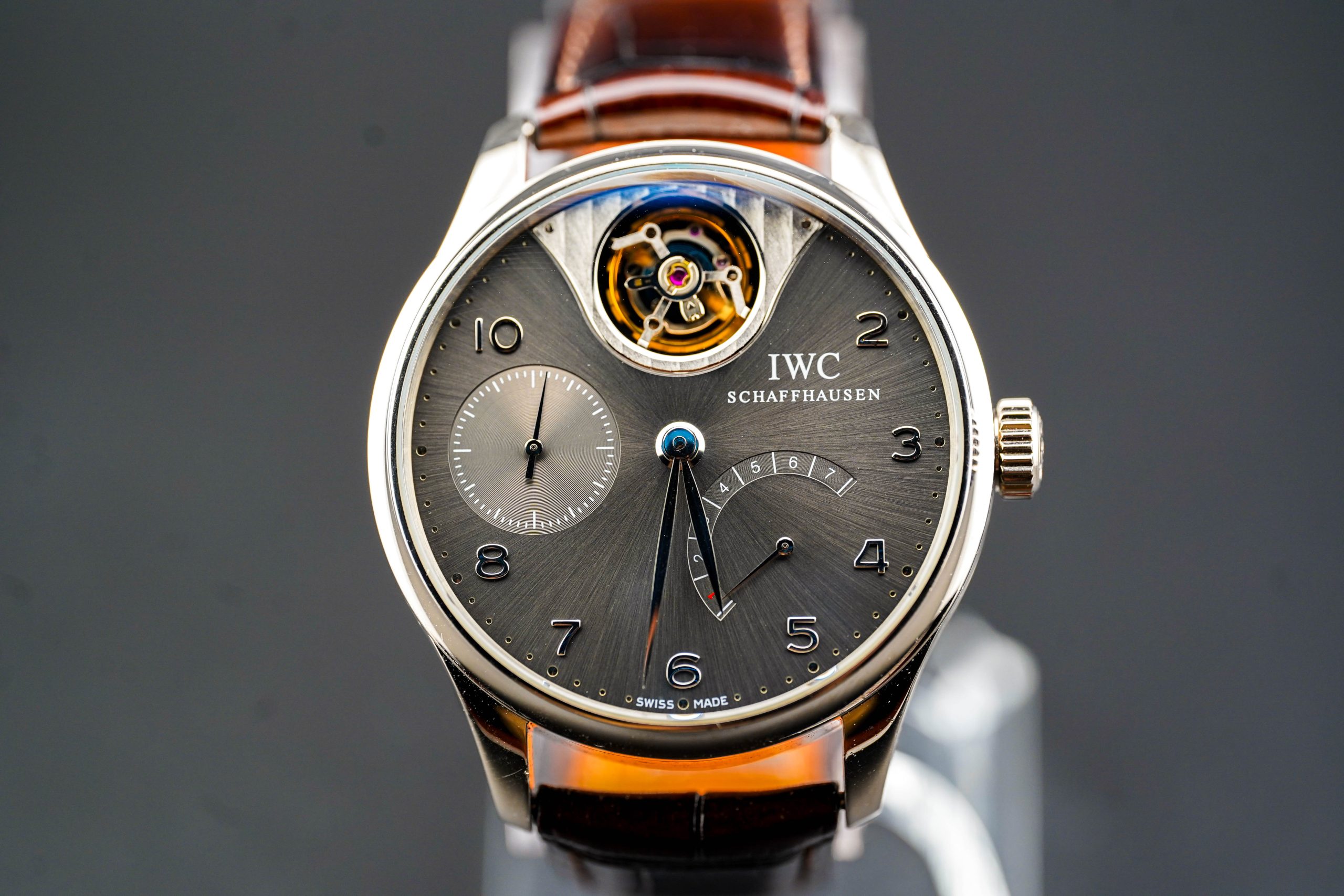
Watches have long been more than simple timekeeping instruments. They are symbols of precision, craftsmanship, engineering, and personal identity. Whether mechanical, quartz, or smart, watches continue to play a significant role in daily life, fashion, and culture. For collectors, a watch reflects artistry and heritage. For professionals, it represents reliability and accuracy. For many, it is a meaningful accessory with emotional value.
This comprehensive guide explores the fascinating world of watches, from origins and movement types to materials, styles, maintenance, and buying recommendations.
1. A Brief History of Watches
The story of watches stretches back several centuries, evolving with advancements in science and engineering.
Early Timekeeping
Before watches existed, people relied on sundials, water clocks, and hourglasses. These were functional but far from convenient or portable. The development of mechanical clocks in medieval Europe marked the first major transformation in the understanding of time.
The First Portable Timepieces
In the 16th century, early portable clocks appeared in the form of small, box-shaped devices often worn as pendants. These rudimentary timepieces marked the beginning of personal timekeeping. Although they were not highly accurate, they represented a major innovation.
The Wristwatch Revolution
By the late 19th and early 20th centuries, wristwatches gained popularity, especially during wartime when soldiers required easy access to the time. After World War I, wristwatches became fashionable for both men and women. Advancements in technology, including automatic winding and improved accuracy, expanded their appeal.
Quartz and the Modern Era
The 1970s brought the quartz revolution. Battery-powered quartz watches offered unprecedented accuracy at affordable prices. This disrupted the traditional mechanical watch industry, but ultimately pushed it toward emphasizing craftsmanship and luxury hoody.
Today, both mechanical and quartz watches coexist, each valued for different reasons, one for artistry, the other for precision and convenience.
2. Understanding Watch Movements
The movement, or caliber, is the engine of a watch. It determines how the watch keeps time and what functions it can perform.
Mechanical Movement
A mechanical watch uses intricate gears, springs, and wheels powered by manual winding.
Key strengths:
-
Celebrated for craftsmanship
-
Long lifespan when maintained
-
Smooth sweeping seconds hand
Mechanical watches require winding and regular servicing, but many enthusiasts enjoy the ritual and appreciate the engineering involved.
Automatic Movement
Also known as self-winding, automatic watches harness energy from the motion of the wearer’s wrist.
Advantages include:
-
No need for daily winding
-
Same craftsmanship and longevity as mechanical pieces
-
Often more robust than delicate manual-wind models
Collectors often admire automatic watches for their blend of tradition and convenience.
Quartz Movement
Quartz watches run on batteries and rely on a tiny piece of quartz crystal to regulate timekeeping.
Benefits:
-
Highly accurate
-
Low maintenance
-
Affordable options available
Although simpler internally, quartz watches are ideal for users seeking reliability with minimal upkeep.
Smartwatch Movement
Smartwatches use digital processors, offering advanced features such as fitness tracking, GPS, and notifications. While they lack the mechanical artistry of traditional watches, they offer modern functionality that many find appealing.
3. Watch Styles and Their Features
Watches come in many styles designed for different purposes. Understanding these categories helps buyers choose a timepiece that matches their lifestyle.
Dress Watches
Dress watches prioritize elegance and simplicity. They typically feature:
-
Minimalist dials
-
Thin cases
-
Leather straps
-
Precious metal or polished steel
Dress watches pair well with business or formal attire and never appear overly complex.
Diver Watches
Diver watches are designed for underwater use, with features such as:
-
High water resistance
-
Rotating bezels
-
Strong lume for visibility
-
Rugged cases
They are highly durable and versatile, often worn casually or professionally.
Pilot Watches
Pilot watches are inspired by aviation and known for:
-
Oversized dials
-
Clear numerals
-
GMT or chronograph functions
-
Robust construction
These watches combine functionality with a bold design.
Chronographs
Chronographs include stopwatch functions and multiple sub-dials. They appeal to users who appreciate technical complexity and sports-inspired aesthetics.
Field Watches
Field watches were designed for military use. They emphasize:
-
Durability
-
Legibility
-
Simple, rugged construction
They are excellent for everyday wear.
Luxury Watches
Luxury timepieces are defined by high-end materials, meticulous finishing, and legacy craftsmanship. From handcrafted movements to rare metals, these watches represent the pinnacle of watchmaking. Brands offering luxury heritage include those behind the iwc schaffhausen international watch and German-made glashutte watches for sale.
4. Materials Used in Watchmaking
The materials used in a watch influence its durability, weight, and aesthetic.
Case Materials
Common case materials include:
-
Stainless steel – Strong, corrosion-resistant, and versatile
-
Titanium – Lightweight and hypoallergenic
-
Ceramic – Scratch-resistant and modern
-
Gold and platinum – Prestigious and luxurious
-
Carbon composites – Extremely light and durable
Each material offers different benefits suited to various lifestyles and preferences.
Crystal Types
The watch crystal protects the dial. Options include:
-
Sapphire crystal – Highly scratch-resistant and premium
-
Mineral crystal – Affordable and more durable than acrylic
-
Acrylic – Soft but easy to polish
Sapphire is standard in most mid-range and luxury watches.
Straps and Bracelets
Strap materials significantly affect comfort and style:
-
Leather – Elegant and classic
-
Metal bracelet – Durable and professional
-
Rubber – Sporty and water-resistant
-
NATO straps – Versatile and casual
Choosing the right strap enhances both appearance and practicality.
5. Watch Complications and Features
Complications are functions beyond basic timekeeping.
Popular Complications Include:
-
Date display
-
Day-date
-
Chronograph
-
GMT (dual time zone)
-
Moonphase
-
Power reserve indicator
High-end watches may combine multiple complications, showcasing advanced craftsmanship.
6. What Makes a Watch Valuable?
Value is determined by several factors. While price may reflect quality, other elements influence long-term worth.
Brand Heritage
Brands with a strong history are often valued for consistent craftsmanship and innovation. Names associated with legendary manufacturing traditions, including those offering the iwc schaffhausen international watch, carry significant prestige.
Movement Complexity
Intricate mechanical movements and hand-finished components increase a watch’s desirability.
Materials
Gold, platinum, and high-quality steel elevate durability and appeal.
Craftsmanship
Hand-crafted elements, specialized finishing techniques, and strict production standards contribute to value.
Limited Production
Limited editions and rare models often attract collectors due to exclusivity.
7. Tips for Buying a Watch
Whether purchasing your first watch or adding to a collection, several factors should be considered.
Define Your Purpose
Choose based on your lifestyle:
-
Daily use
-
Professional wear
-
Sports or travel
-
Collecting
Understanding purpose helps narrow the field.
Set a Budget
Watches range from affordable to ultra-luxury. Setting a budget ensures you choose responsibly without compromising other priorities.
Consider Movement Preferences
If you appreciate traditional craftsmanship, a mechanical or automatic model is ideal. For practical users seeking accuracy and minimal maintenance, quartz may be the best option.
Evaluate Build Quality
Check:
-
Case finishing
-
Quality of the bracelet or strap
-
Crystal durability
-
Water resistance
These features determine longevity.
Research the Brand
Brand history, service availability, and reputation affect long-term satisfaction. German engineering, especially brands with glashutte watches for sale, is particularly respected for precision and deep horological traditions.
Check Warranty and Service Options
Mechanical watches require periodic servicing. Choose brands and sellers offering reliable support.
Try It On
Comfort is crucial. Case size, weight, and fit influence daily wearability.
8. Caring for Your Watch
Proper maintenance extends a watch’s lifespan.
General Care
-
Clean regularly with a soft cloth
-
Avoid exposure to harsh chemicals
-
Keep away from strong magnets for mechanical models
-
Store in a dry, safe location
Servicing
Mechanical watches typically require servicing every 3–7 years. Quartz watches need battery replacements but less-frequent servicing.
Water Resistance
Even water-resistant watches should be tested periodically. Avoid hot water exposure, as heat can damage seals.
9. The Future of Watches
While digital technology is rapidly evolving, traditional watches continue to thrive. Collectors value craftsmanship, engineering, and the emotional connection to finely made timepieces. Luxury watchmakers are integrating modern materials such as carbon fiber and ceramic, while still preserving mechanical heritage.
Smartwatches will continue to grow in functionality, appealing to tech-forward users. Nevertheless, mechanical and automatic watches remain timeless symbols of artistry and innovation, appreciated across generations.
Conclusion
Watches represent the perfect blend of design, engineering, and personal expression. Whether selecting a simple quartz model, a rugged diver, a refined dress watch, or a heritage piece from makers behind the iwc schaffhausen international watch a watch reflects individual taste and lifestyle.
Understanding movements, materials, styles, and maintenance helps buyers make confident decisions. From history to modern innovation, the world of watches offers something for everyone, enthusiasts, collectors, and everyday wearers alike.
If you’d like, I can also prepare a shorter version, a blog-friendly format, or a version tailored for SEO targeting specific watch niches.