
Imagine landing a perfect tackle or scoring the winning goal, only to have it all ruined by a chipped tooth or a nasty jaw injury. It happens more often than you might think. Sports injuries to the face and mouth are common, but they’re also largely preventable. That’s where mouthguards and protective gear come into play-simple tools that can save you from pain, expensive dental work, and lost playing time.
Why Mouthguards Are Essential in Sports
Whether you’re on the football field, basketball court, or even the hockey rink, the risk of facial injury is real. Mouthguards act as a cushion between your teeth and the impact, absorbing shock and reducing the chance of broken or knocked-out teeth. They also protect the soft tissues inside your mouth, like your lips and tongue, from cuts and bruises. In addition to physical injuries, the psychological impact of dental trauma can be significant, leading to anxiety about participating in sports or even affecting one’s self-esteem. This makes mouthguards not just a physical safeguard, but also a crucial element in maintaining an athlete’s confidence and mental well-being.
According to the American Dental Association, athletes who don’t wear mouthguards are 60 times more likely to suffer damage to their teeth. That’s a staggering statistic that underscores just how critical this piece of equipment is. Yet, many athletes still play without them, either because they find them uncomfortable or simply underestimate the risk. Education plays a vital role in changing this behavior; coaches, parents, and sports organizations should emphasize the importance of mouthguards and encourage their use from a young age. By fostering a culture that prioritizes safety equipment, we can help ensure that athletes are better protected both on and off the field.
Types of Mouthguards
There’s no one-size-fits-all when it comes to mouthguards. Choosing the right type depends on your sport, budget, and comfort level. Each type of mouthguard has its own unique benefits and drawbacks, making it essential for athletes to consider their specific needs before making a selection.
- Stock Mouthguards: These are pre-formed and ready to wear right out of the package. They’re the most affordable but often bulky and don’t fit well, which can make breathing and talking difficult. While they may be suitable for casual play, they are not recommended for competitive athletes who face higher risks of injury.
- Boil-and-Bite Mouthguards: These offer a better fit than stock guards. You soften them in hot water, then bite down to mold the guard to your teeth. They’re moderately priced and widely available, making them a popular choice among many athletes. However, the fit can vary depending on how well the athlete follows the molding instructions, so it’s important to take the time to ensure a snug fit.
- Custom-Fitted Mouthguards: Made by a dentist, these provide the best fit and protection. They’re more expensive but offer superior comfort and durability, making them ideal for serious athletes. Custom guards are tailored to the unique shape of your mouth, ensuring maximum protection and comfort, which can be a game-changer during intense competition visit Parramatta Green Dental to explore professionally crafted options designed for optimal performance and safety.
How to Choose the Right Mouthguard
Comfort is key. If a mouthguard feels bulky or restricts breathing, you’re less likely to wear it consistently. Custom-fitted guards are often the best choice for this reason. They contour perfectly to your teeth and gums, allowing you to focus on the game instead of your gear. Additionally, many athletes report that a well-fitted mouthguard can even enhance performance by allowing for better airflow and reducing distractions during play.
Consider the level of contact in your sport. High-impact sports like football, hockey, and boxing demand the highest level of protection. For lower-contact sports, a boil-and-bite guard may suffice. However, it’s important to remember that injuries can happen in any sport, regardless of perceived contact levels. Therefore, even athletes in non-contact sports should consider using a mouthguard to safeguard against accidental impacts, ensuring they can enjoy their sport without the worry of dental injuries.
Additional Protective Gear for Athletes
Mouthguards are just one piece of the puzzle. Protecting your head, face, and body requires a combination of gear tailored to your sport.
Helmets
Helmets are non-negotiable in many sports. They protect against concussions, skull fractures, and other serious head injuries. Modern helmets are designed with advanced materials that absorb and dissipate impact forces.
Choosing the right helmet means ensuring it fits snugly without being too tight. A poorly fitting helmet can shift during play, reducing its effectiveness. Always replace helmets after a significant impact or once they show signs of wear. Additionally, many manufacturers now offer helmets with customizable padding systems, allowing athletes to adjust the fit for optimal comfort and protection. This innovation helps cater to the unique head shapes of different athletes, ensuring that safety is prioritized without sacrificing performance.
Face Shields and Cages
In sports like hockey and lacrosse, face shields or cages attach to helmets to guard against flying pucks, sticks, and accidental collisions. They protect the eyes, nose, and mouth from direct hits, which can be devastating without proper coverage.
Some athletes prefer full cages for maximum protection, while others opt for half shields to improve visibility. The choice often depends on league rules and personal preference. It’s also worth noting that some face shields are now treated with anti-fog coatings, which can significantly enhance visibility during intense play, allowing athletes to maintain focus on the game without distraction. Moreover, the advancements in materials mean that these protective devices are becoming lighter and more comfortable, encouraging athletes to wear them consistently.
Chest and Shoulder Pads
Contact sports put a lot of strain on the upper body. Chest and shoulder pads absorb impacts and reduce the risk of bruises, fractures, and joint injuries. They’re especially important in football, hockey, and rugby.
Good pads should be lightweight yet durable, allowing freedom of movement while providing solid protection. Regular inspection and maintenance ensure they continue to perform well season after season. Many modern pads also feature moisture-wicking fabrics that help keep athletes dry and comfortable during games and practices. Additionally, some designs now incorporate ventilation systems to enhance airflow, reducing heat buildup and allowing athletes to maintain peak performance even in the most demanding conditions. With the right combination of technology and fit, athletes can focus on their game while feeling secure in their protective gear.
Maintaining and Caring for Your Protective Gear
Protective gear is an investment in your health and performance. Taking care of it extends its lifespan and keeps it functioning properly. Regular maintenance not only ensures your safety but also enhances your overall experience during sports or physical activities. Understanding the specific needs of each piece of equipment can help you make informed decisions about care and replacement.
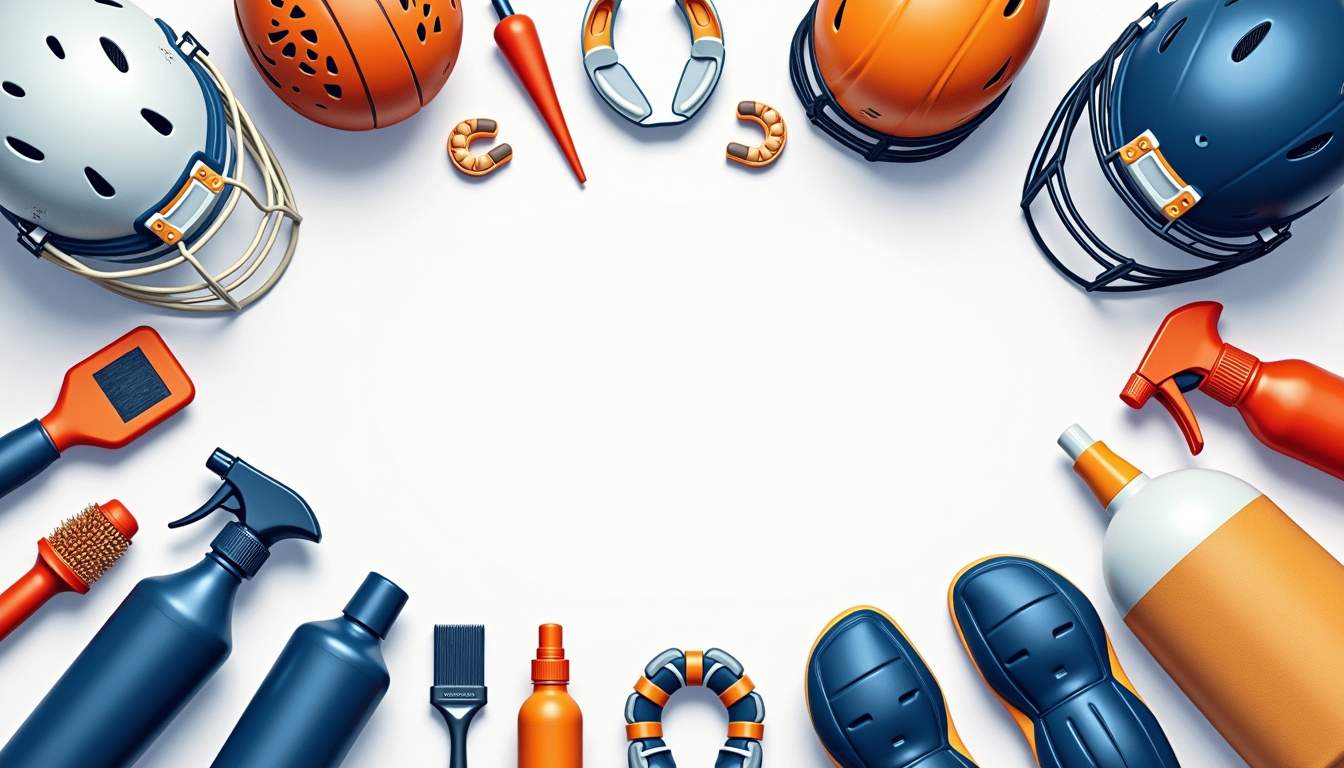
Cleaning Mouthguards
Mouthguards can harbor bacteria if not cleaned regularly. Rinse your mouthguard with cool water after each use and brush it gently with a toothbrush and toothpaste. Avoid hot water, which can warp the material. Additionally, consider using a specialized mouthguard cleaner that can help eliminate bacteria and odors more effectively than regular toothpaste.
Store your mouthguard in a ventilated case to prevent moisture buildup. Periodically soak it in an antimicrobial solution or denture cleaner to keep it fresh. It’s also wise to replace your mouthguard every season or sooner if you notice any signs of wear, as a worn mouthguard may not provide the protection you need during intense activities.
Inspecting Helmets and Pads
Before every game or practice, check your helmet and pads for cracks, dents, or worn straps. Damaged gear won’t protect you effectively and should be repaired or replaced immediately. Pay attention to the padding inside the helmet as well; it should fit snugly without being overly tight, and any signs of compression or wear indicate that it’s time for a replacement.
Follow manufacturer guidelines for cleaning. Most helmets can be wiped down with mild soap and water, but avoid harsh chemicals that can degrade materials. Additionally, consider checking the fit of your helmet regularly, as improper sizing can compromise safety. If you experience any discomfort or if the helmet shifts during use, it may be time to adjust or replace it for optimal protection.
Common Myths About Mouthguards and Protective Gear
There’s a surprising amount of misinformation floating around about mouthguards and protective equipment. Clearing up these myths can help athletes make better choices.
Myth: Mouthguards Are Only for Contact Sports
Even sports that seem low-contact, like volleyball or gymnastics, carry risks of falls and collisions. Wearing a mouthguard can prevent injuries from unexpected impacts, making it a smart precaution across many activities.
Myth: Mouthguards Are Uncomfortable and Hard to Speak With
While some cheap or ill-fitting guards can be bulky, custom-fitted mouthguards are designed for comfort and minimal interference with speech and breathing. Trying one can change your perspective entirely.
Myth: Protective Gear Isn’t Necessary for Kids
Young athletes are just as vulnerable to injuries as adults. In fact, their developing bodies may be more susceptible to damage. Proper protective gear is essential for players of all ages.
The Impact of Protective Gear on Performance
Some athletes worry that wearing mouthguards and pads will slow them down or reduce their agility. The truth is, well-designed protective gear should feel like a natural extension of your body.
Many athletes report feeling more confident and aggressive when properly protected. Knowing you’re shielded from injury allows you to focus fully on the game.
Advancements in materials and design have led to lighter, more breathable gear that doesn’t compromise mobility. Investing in quality equipment can actually enhance your performance.
How to Get Started with Mouthguards and Protective Gear
If you’re new to wearing mouthguards or other protective equipment, start by consulting with a dentist or sports medicine professional. They can recommend the best options based on your sport and individual needs.
Try different types to see what feels most comfortable. Remember, the best gear is the one you’ll actually wear consistently.
Don’t wait for an injury to make protection a priority. Gear up before you step onto the field, court, or rink. Your smile-and your health-will thank you.