
Solo travel offers women a powerful sense of freedom, inspiration, and personal growth. It allows them to explore new destinations, meet people, and challenge their comfort zones. However, women with medical concerns often face additional barriers that require careful preparation. These unique concerns can make travel intimidating, but with proper planning and awareness, women can enjoy safe and fulfilling journeys. Because healthcare systems and resources differ across the world, travelers must plan thoughtfully to reduce risk and ensure peace of mind.
Preparing for the Trip
A medical checkup is an important step before traveling. Women should discuss their travel plans with healthcare professionals. Doctors can advise on medication adjustments, vaccination needs, and risk factors. They can also provide written instructions for managing chronic illnesses. This preparation ensures safe travel and reduces unexpected complications.
Travelers must organize essential medical information. They should keep digital and printed records of allergies, prescriptions, and emergency contacts. Many women now use tools like a QR medical permasticker that stores scannable medical information for emergencies, making communication easier when stress or language barriers prevent a clear explanation. Access to this information supports first responders and reduces avoidable delays.
Researching destinations is equally important. Women should review the availability of healthcare facilities in each area. They should know where hospitals and pharmacies are located. Additionally, understanding local emergency numbers helps ensure faster response during urgent situations. Weather, pollution, and altitude levels may affect some conditions, so checking these factors helps travelers make informed decisions.
Packing Essentials
Thoughtful packing supports safe and comfortable travel. Women should carry all prescribed medications in original, labeled containers. These labels help border officials verify legitimacy. Travelers should bring extra medication in case of delays or unexpected schedule changes. Because many countries limit certain medications, printed prescriptions prevent confusion.
Medication should remain stored properly. Some drugs require cool temperatures or light protection. Portable coolers or insulated packs help maintain safe conditions. Additionally, carrying a pill organizer helps maintain medication schedules.
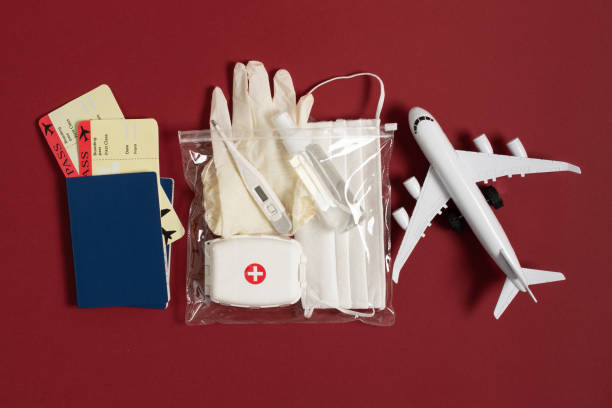
A travel first aid kit provides essential support. Bandages, antiseptic wipes, pain relievers, and allergy medication can help manage minor concerns. Women with chronic conditions should include backup medical supplies.
Emergency information should always be accessible. Printed cards and digital files listing conditions, allergies, and contacts provide vital support if phones become unavailable. Keeping multiple copies ensures reliable access.
Managing Health on the Road
Consistent routines help women manage health conditions. Time zone changes can be challenging. Travelers should set phone reminders to avoid missing medication doses. Carrying medications in a personal bag ensures access during transit.
Healthy habits support physical well-being. Drinking water prevents dehydration. Eating well supports digestion and energy levels. Rest helps maintain strength and reduces stress. Women should avoid pushing their limits.
Symptom tracking is important. Travelers should note any unusual changes, especially when adjusting to new climates. Hot weather may affect heart or respiratory conditions. Cold environments may worsen joint pain. Awareness helps prevent complications.
Women should identify local pharmacies early. Some medications may have different names abroad. Knowing equivalents helps maintain continuity if refills are needed.
Communication & Support Network
Sharing travel plans enhances safety. Family or trusted friends should know itineraries, hotel addresses, and contact details. Regular check-ins create accountability.
Local emergency numbers should be stored in accessible places. Different countries use different emergency services. Travelers should write these numbers in their journals and store them on their phones.
Language barriers can complicate care. Learning basic medical phrases helps during emergencies. Translation apps support communication. Travelers can prepare digital and printed translations of medical conditions.
Staying connected with travel communities helps reduce anxiety. Many online groups offer advice and share safety tips. They can also recommend reliable healthcare facilities abroad.
Technology & Tools
Technology improves safety for women traveling with medical concerns. Health apps help track symptoms, medication schedules, and doctor instructions. These apps can send reminders, making adherence easier.
Digital medical IDs store detailed health information. They help providers act quickly when communication is difficult. Additionally, travelers can store scanned medical files in cloud folders.
GPS location-sharing tools improve security. These allow trusted contacts to track locations and respond quickly when emergencies arise. Scheduled check-ins offer reassurance when traveling alone.
Telehealth provides remote support. Online consultations help address minor concerns without requiring hospital visits. These services guide travelers in choosing appropriate care.
Safety Tips
Situational awareness remains a priority. Women should watch their surroundings, especially in crowded places. Avoiding constant phone use helps maintain awareness.
Safe transportation reduces risk. Using verified ride-share services, licensed taxis, or public transit is recommended. Women should avoid sharing personal details with strangers.
Selecting safe lodging is essential. Hotels with secure entrances and 24-hour desks provide peace of mind. Rooms with safes help protect valuables.
Understanding cultural norms helps prevent misunderstandings. Modest clothing may attract less attention in some regions. Travelers should research expectations before arrival.
Avoiding isolated places after dark increases safety. Keeping contact details of local authorities readily available helps in emergencies.
Trusting instincts is important. If a situation feels unsafe, leaving immediately reduces risk.
Handling Emergencies
Preparation helps women stay calm during crises. If symptoms worsen, seeking medical care promptly prevents complications. Knowing the nearest hospitals and emergency clinics helps.
Travel insurance adds important protection. Plans covering emergency treatment, hospitalization, and evacuation provide financial security. Travelers should always carry insurance cards.
Medical facilities abroad may require payment before treatment. Therefore, women should have credit cards or access to funds. Embassies can help travelers find reliable doctors.
Communicating health concerns quickly is important. Showing medical documentation helps doctors provide accurate care. This is especially helpful when language barriers exist.
After emergencies, women should update their support networks and follow medical advice. Rest helps with recovery. Returning home early may be necessary in serious situations.
Conclusion
Solo travel gives women meaningful growth opportunities. Women with medical concerns can travel safely by preparing carefully. Medical checkups, updated documentation, and destination research help reduce risk.
Packing essential medications, organizing emergency details, and maintaining routines support health. Communication with family and healthcare providers strengthens support networks. Technology adds safety through tracking tools, telehealth, and digital IDs.
Though challenges exist, planning builds confidence. Awareness and preparation allow women to embrace exploration with peace of mind. Safe solo travel is possible for women with medical concerns. With responsible choices, they can explore the world, learn, and grow