
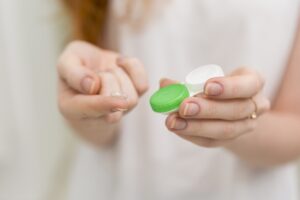
 The disposable contact lenses market is undergoing a revolutionary transformation with the integration of smart lens technology. What once served as simple vision-correcting tools has now evolved into sophisticated wearable devices capable of health monitoring, digital interaction, augmented vision, and more. With continuous innovation, smart disposable lenses are positioned to redefine not only eye care but also consumer technology and medical diagnostics.
Rapid progress in microelectronics, nanotechnology, and biosensing materials is accelerating the development of smart contact lenses that remain comfortable, safe, and user-friendly — even as single-use or short-term wear solutions. This shift is creating a new era where disposable contact lenses respond dynamically to real-time consumer needs and health conditions.
Understanding Smart Disposable Contact Lenses
Smart lenses incorporate miniature electronic components into a soft lens material without affecting comfort or visibility. Technologies such as micro-sensors, ultra-thin circuits, and wireless communication modules allow lenses to capture, interpret, and share information.
Key functionalities include:
-
Real-time health monitoring
-
Measurement of eye and body metabolic data
-
Integration with augmented reality (AR) systems
-
Adaptive vision correction
-
Remote data sharing with healthcare professionals
Keeping these capabilities disposable ensures hygiene, reduces contamination risks, and enables ongoing upgrades as technology improves.
Major Technological Advancements Driving Growth
The smart lens segment is still emerging but expanding rapidly due to continuous breakthroughs. Key innovations transforming this market include:
Biosensing Smart Lenses for Health Diagnostics
The eye’s tear fluid carries biomarkers that can reveal essential health information. Smart contact lenses can track and monitor:
-
Blood glucose levels for diabetes management
-
Intraocular pressure for glaucoma detection
-
Hydration imbalance and electrolytes
This creates a non-invasive medical monitoring solution, reducing the need for multiple finger-prick tests or hospital visits.
AR-Enabled Smart Contact Lenses
Future smart lenses aim to bring hands-free augmented reality capabilities directly into the human visual field.
These features include:
-
On-screen navigation
-
Real-time language translation
-
Facial or object recognition
-
Enhanced situational awareness for professionals (pilots, surgeons, emergency responders)
All of this while maintaining natural vision — a major advancement over bulky AR glasses.
Adaptive Vision and Prescription Automation
Smart lenses can respond to changing light levels, focus distance, or visual fatigue by automatically adjusting optical power. For individuals struggling with presbyopia or sudden prescription changes, adaptive smart lenses provide seamless clarity without switching glasses.
Drug Delivery-Integrated Disposable Lenses
Smart lenses are being engineered to gradually release ophthalmic medications like:
-
Glaucoma drugs
-
Anti-allergy compounds
-
Anti-inflammatory solutions
This ensures accurate dosage and improves adherence to treatment plans.
Wireless Communication and Data Sharing
Embedded antennas enable the lens to communicate wirelessly with smartphones, smartwatches, and medical platforms. Data collected from the eyes can be used for:
-
Personalized treatment
-
Early warning of vision problems
-
Preventive health strategies
This direct connectivity enhances remote care and telemedicine adoption.
Market Growth Drivers Supporting Smart Lens Adoption
Several factors are shaping the rapid evolution and commercialization of smart disposable contact lenses:
-
Rising demand for wearable medical devices
-
Increasing prevalence of chronic diseases like diabetes and glaucoma
-
Growing need for continuous and remote health monitoring
-
Shift toward personalized and preventive eye care
-
Consumer interest in high-tech lifestyle innovations
-
Better material engineering for comfort and tear-film compatibility
Disposable formats ensure each new smart lens application remains hygienic, safe, and easy to deploy.
Growing Role of Eye Care Professionals and Tech Collaboration
Smart lenses require collaborative development between:
-
Optometrists and ophthalmologists
-
Electronics and semiconductor experts
-
Biotech and pharmaceutical industries
-
Data security and cloud computing providers
Clinical validation and regulatory approvals remain essential before mass-market launch. As wearable health technology becomes mainstream, eye-care specialists will play a critical role in prescribing, fitting, and managing smart lenses for different needs.
Consumer Experience: A New Standard of Eye Care
Smart disposable lenses aim to deliver:
Effortless vision enhancement
Ongoing eye-health monitoring
Lifestyle convenience
Data-assisted medical decisions
Wearers gain not only clearer eyesight but also insight into their overall health — all through a device they can comfortably wear daily.
As digital screens dominate daily routines across all age groups, smart lenses may eventually become the preferred alternative to traditional eyewear and wearable gadgets.
Challenges Slowing Market Growth
Although the progress is significant, several challenges need to be addressed before widespread adoption:
-
Safety concerns regarding prolonged electronics contact with the eye
-
Power supply limitations in micro-sized components
-
High development and production costs
-
Data privacy issues with medical information
-
Need for long-term clinical testing and approvals
Addressing these concerns will determine the speed at which smart lenses enter mainstream vision care.
Future Market Opportunities and Outlook
The disposable smart lens category holds enormous growth potential as innovation continues. In the near future, consumers may access lenses that:
-
Automatically adjust to ambient light levels
-
Enhance night vision for driving
-
Provide real-time medical alerts
-
Enable contactless digital interaction (blinking commands)
-
Assist those with severe visual impairment by magnifying objects or boosting contrast
Sustainability also remains a priority, pushing companies to develop recyclable components and eco-friendly disposable formats.
As commercialization scales up, prices are expected to decrease — allowing broader adoption across medical and consumer markets.