
Imagine biting into your favorite meal and suddenly feeling a sharp, persistent pain in one of your teeth. That nagging discomfort doesn’t go away, and you start to worry. Is it just a cavity, or something more serious? When the pain lingers and sensitivity worsens, it might be time to consider a root canal. Despite its scary reputation, a root canal is often the best way to save a tooth that’s badly damaged or infected.
What Exactly Is a Root Canal?
A root canal is a dental procedure designed to treat infection or damage inside the tooth’s pulp—the soft tissue that contains nerves and blood vessels. When decay or trauma reaches this inner layer, it can cause severe pain and lead to an abscess if left untreated. This condition is not only uncomfortable but can also pose significant health risks, as the infection may spread to other areas of the body if not addressed promptly.
During a root canal, the dentist removes the infected or inflamed pulp, cleans and disinfects the inside of the tooth, then fills and seals it. This stops the infection from spreading and preserves the tooth’s structure, allowing it to function normally for years to come. The procedure typically involves local anesthesia to ensure that the patient remains comfortable throughout the process, and many patients report feeling a sense of relief once the source of their pain has been addressed.
Why Not Just Pull the Tooth?
Extraction might seem like the simplest fix, but losing a tooth can cause a domino effect. Teeth next to the gap can shift, leading to bite problems and jaw pain. It can also affect chewing and speaking, and the missing tooth may impact your smile and confidence. Furthermore, the loss of a tooth can lead to bone loss in the jaw, which may alter the facial structure over time, creating a sunken appearance that can age a person prematurely.
Saving your natural tooth whenever possible is usually the best choice. Root canals offer a way to keep your tooth intact and avoid the complications that come with tooth loss. Additionally, advancements in dental technology have made root canal procedures more efficient and less painful than ever before. Many patients are surprised to learn that the recovery time is relatively short, and with proper care, the treated tooth can last a lifetime. This not only preserves your dental health but also maintains the aesthetics of your smile, allowing you to enjoy your favorite foods and activities without worry.
Signs You Might Need a Root Canal
Not every toothache means you need a root canal, but there are some clear warning signs to watch for:
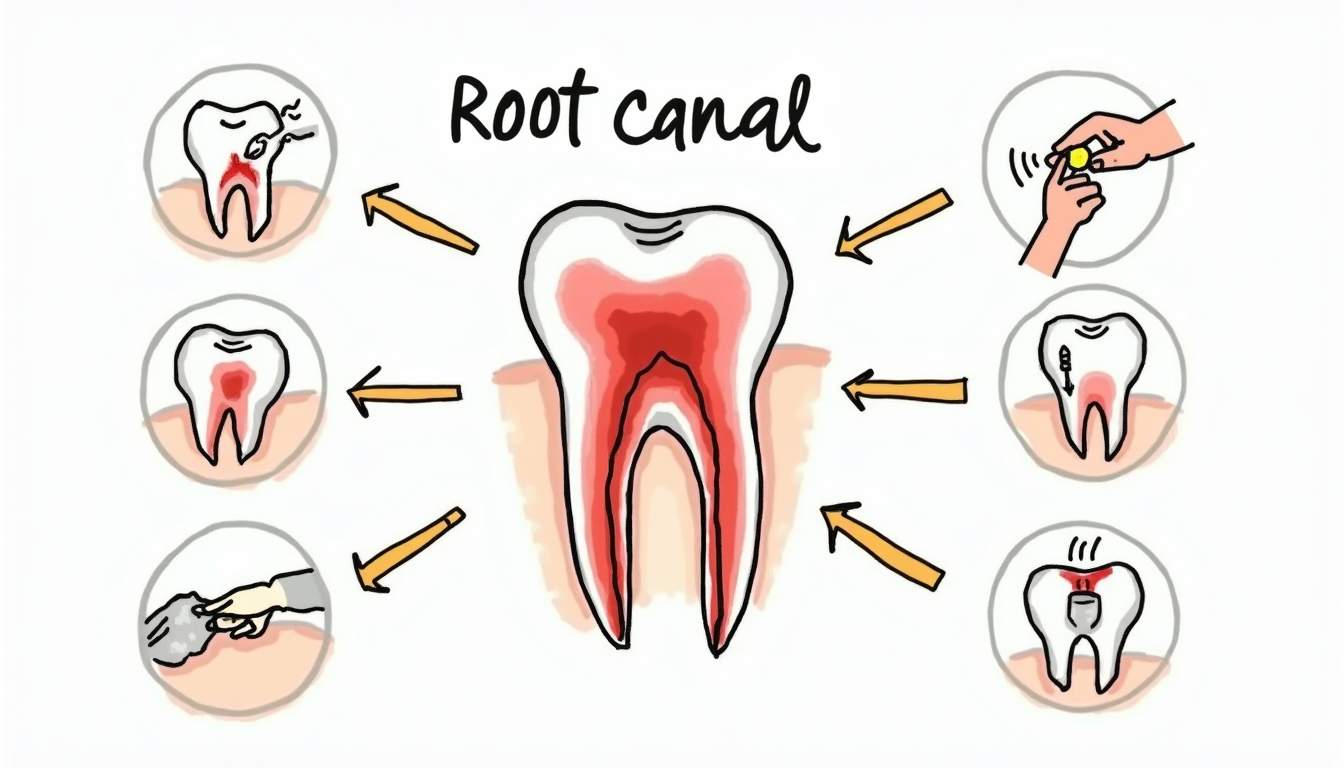
- Persistent Tooth Pain: A constant or throbbing pain that doesn’t fade after a few days.
- Sensitivity to Hot and Cold: Sharp pain when eating or drinking something hot or cold, which lingers after the stimulus is gone.
- Swelling and Tenderness: Swelling around the gums near the affected tooth, sometimes accompanied by tenderness or a pimple-like bump on the gums.
- Discoloration: The tooth may darken, signaling nerve damage or decay inside.
- Deep Decay or Injury: A visible crack, chip, or deep cavity that exposes the pulp.
If you notice these symptoms, it’s important to see a dentist promptly. The sooner the infection is treated, the better the chances of saving the tooth.
In addition to these signs, you might also experience a foul taste in your mouth or bad breath that doesn’t go away, which can indicate an infection in the tooth. This unpleasant taste can be a result of pus or other fluids leaking from the infected area. Furthermore, you may find that your bite feels off or uncomfortable, as the infected tooth can shift slightly or become loose due to the underlying issues. These additional symptoms can help you identify the severity of the problem and emphasize the urgency of seeking dental care.
It’s worth noting that some individuals may not experience significant pain or discomfort, especially if the infection is chronic or has developed gradually. This can make it easy to overlook the need for treatment. Regular dental check-ups are crucial, as your dentist can detect issues before they escalate into more serious conditions requiring a root canal. Early intervention can often prevent the need for more invasive procedures and preserve your natural tooth structure. To ensure timely care, you can visit Indental Castle Hill for a professional assessment and guidance.
The Root Canal Procedure: What to Expect
Many people dread the thought of a root canal, but modern dentistry has made the process much more comfortable than its reputation suggests. Here’s a breakdown of what happens during the procedure:
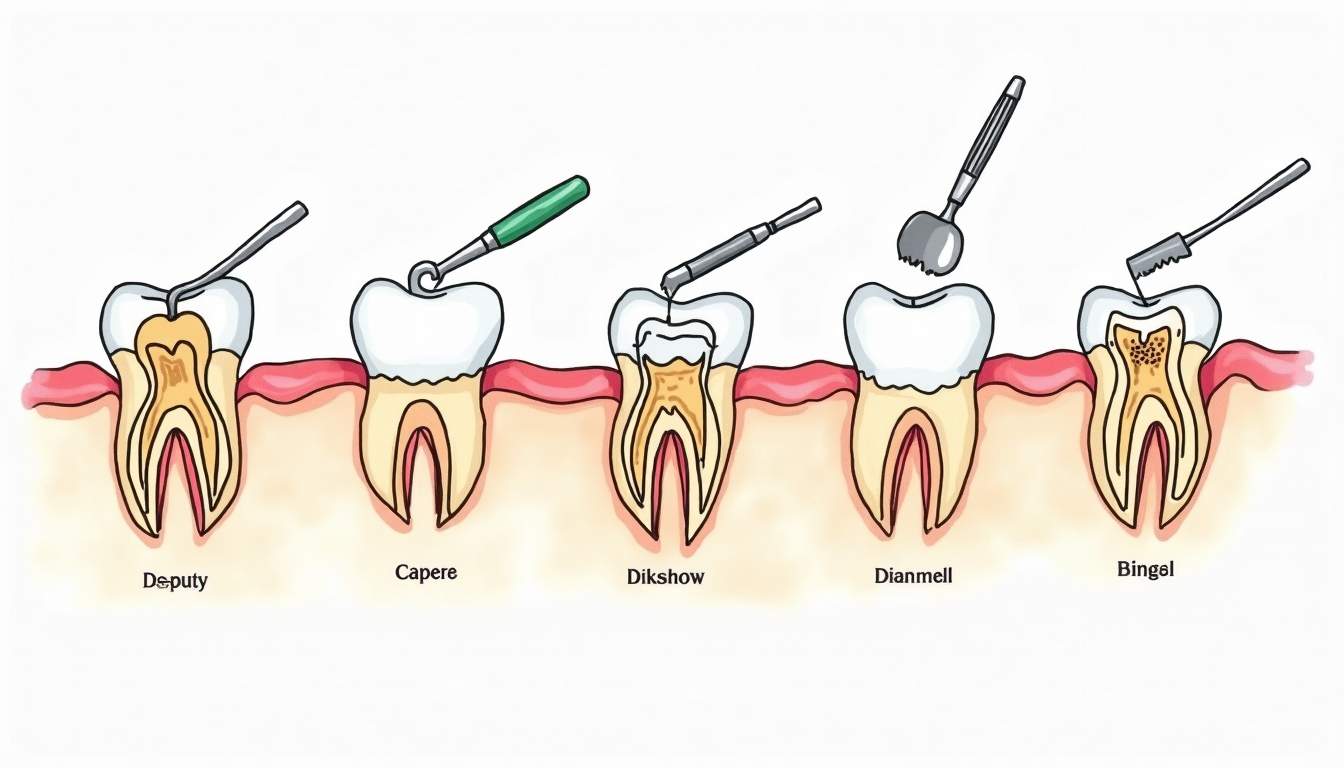
Step 1: Numbing the Area
The dentist will use a local anesthetic to numb the tooth and surrounding area. You should feel little to no pain during the procedure, just some pressure or movement. In some cases, sedation options may also be available for those who experience anxiety about dental work. This can help you feel more relaxed and at ease, allowing you to focus on the positive outcome of the treatment rather than the procedure itself.
Step 2: Removing the Infected Pulp
A small opening is made in the tooth’s crown to access the pulp chamber. Using specialized tools, the dentist carefully removes the infected or damaged pulp from the canals inside the roots. This step is crucial, as the pulp contains nerves and blood vessels that can become inflamed or infected, leading to pain and further complications if left untreated. By addressing the issue promptly, the dentist not only alleviates discomfort but also saves the tooth from extraction, preserving your natural smile.
Step 3: Cleaning and Shaping the Canals
After removing the pulp, the canals are cleaned thoroughly to remove bacteria and debris. The dentist then shapes the canals to prepare them for filling. This meticulous cleaning process often involves the use of antiseptic solutions and tiny instruments designed specifically for this purpose. The goal is to ensure that the canals are free from any remaining infection, which significantly reduces the risk of future issues and promotes healing.
Step 4: Filling and Sealing
The cleaned canals are filled with a biocompatible material called gutta-percha. This seals the canals to prevent bacteria from re-entering. Sometimes a temporary filling is placed until a permanent restoration is done. After the filling, the dentist may also provide you with aftercare instructions to ensure proper healing. It’s important to follow these guidelines closely, as they can help prevent complications and promote a smooth recovery.
Step 5: Restoring the Tooth
Most teeth that undergo root canal treatment require a crown to protect and strengthen them. The crown restores the tooth’s function and appearance, helping it last for many years. In some cases, your dentist may recommend a post and core buildup to provide additional support for the crown, especially if a significant portion of the tooth structure was lost due to decay. This ensures that your tooth not only looks good but also functions effectively, allowing you to eat and speak without any discomfort.
Benefits of Choosing a Root Canal
Opting for a root canal offers several advantages over extraction or leaving an infected tooth untreated:
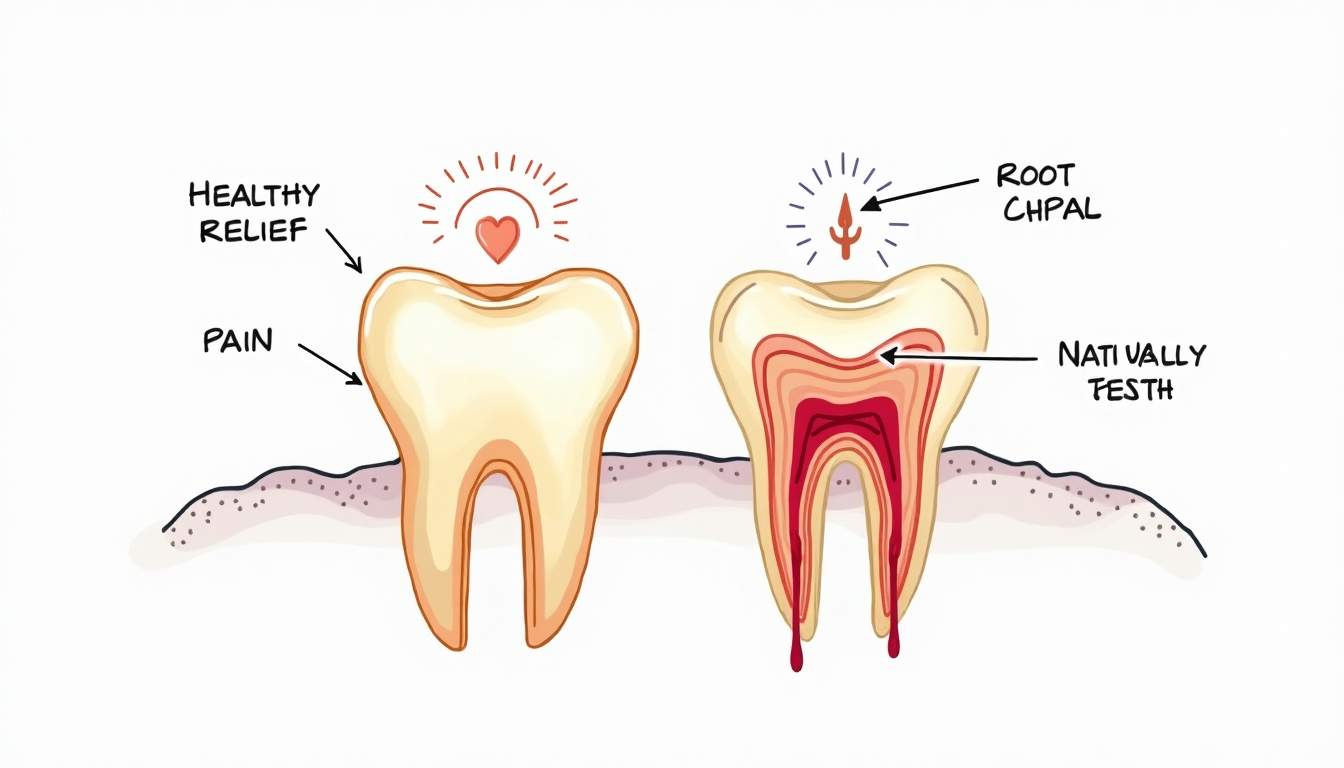
- Preserves Your Natural Tooth: Keeping your own tooth maintains your bite and jaw alignment.
- Relieves Pain: Removing the infected pulp eliminates the source of pain and discomfort.
- Prevents Infection Spread: Treating the infection stops it from reaching surrounding teeth or the jawbone.
- Improves Chewing and Speaking: A restored tooth functions just like a natural one.
- Enhances Appearance: Crowns and fillings can be matched to your natural tooth color, maintaining your smile’s look.
Common Myths About Root Canals
Root canals have earned a bad rap over the years, often seen as painful or dangerous. Let’s clear up some common misconceptions:
Myth 1: Root Canals Are Painful
Thanks to modern anesthetics and techniques, root canals are no more painful than getting a filling. Most people report relief from pain after the procedure.
Myth 2: Root Canals Cause Illness
This myth stems from outdated theories. Today’s root canal treatments are safe and effective, with no evidence linking them to systemic illnesses.
Myth 3: Extraction Is Easier and Better
While extraction might seem simpler, it often leads to more dental work down the line, such as implants or bridges, which can be costly and time-consuming.
Aftercare Tips for a Successful Recovery
After your root canal, taking care of your tooth is crucial to ensure healing and longevity:
- Follow Your Dentist’s Instructions: Take prescribed medications and attend follow-up appointments.
- Avoid Chewing on the Treated Tooth: Until fully restored, avoid putting pressure on the tooth.
- Maintain Good Oral Hygiene: Brush and floss regularly to keep the area clean.
- Watch for Signs of Complications: If you experience swelling, severe pain, or fever, contact your dentist immediately.
When Root Canal Isn’t the Best Option
Root canals aren’t suitable for every situation. Sometimes, the damage to a tooth is too extensive, or the infection has spread beyond repair. In these cases, extraction might be the only option.
Additionally, certain health conditions or anatomical challenges can make root canal treatment more complicated. Your dentist will evaluate your specific case and recommend the best course of action.
Final Thoughts
Root canals save millions of teeth every year. They offer a reliable way to relieve pain, stop infection, and preserve your natural smile. If you’re facing tooth pain or have been told you might need a root canal, don’t hesitate to get the treatment you need. Early intervention can make all the difference in saving your tooth and maintaining your oral health for years to come.