
Welcoming a new baby is one of life’s most rewarding experiences, but for mothers who’ve undergone a cesarean section, recovery requires patience, care, and a gentle approach to fitness. A postnatal exercise program specifically designed for C-section recovery can help new mothers regain strength, improve mobility, and support overall well-being — all while keeping safety the top priority.
Understanding what your body has gone through and knowing when and how to start exercising are essential for a healthy recovery journey.
Benefits of a Post-Natal Exercise Program
A structured postnatal exercise program offers several benefits for mothers recovering from C-sections:
- Strengthening Core Muscles: Gentle movements help reconnect and rebuild the core muscles that were stretched or separated during pregnancy and surgery.
- Improving Circulation: Light activity helps prevent stiffness, reduces swelling, and promotes healing by improving blood flow.
- Enhancing Posture: Carrying and nursing a baby can strain the neck, shoulders, and back. Corrective exercises improve alignment and posture.
- Boosting Mental Health: Exercise releases endorphins, reducing stress, anxiety, and symptoms of postpartum depression.
- Supporting Energy Levels: Gradual movement improves stamina, which helps new mothers handle the demands of caring for a newborn.
When to Start Moving
In the first few weeks after surgery, rest is the most important part of recovery. However, gentle activities such as deep breathing and walking can begin early (if approved by your doctor).
Week 1–3: Gentle Healing Movements
- Focus on deep diaphragmatic breathing to re-engage the core.
- Try gentle pelvic tilts while lying on your back.
- Short, slow walks around your home can promote circulation.
Week 4–6: Rebuilding Core and Mobility
- Incorporate basic pelvic floor exercises (Kegels).
- Add gentle leg slides, heel lifts, and seated stretches.
- Continue walking daily, gradually increasing distance and pace.
After 6 Weeks: Light Strength Training
Once your healthcare provider gives clearance, you can begin low-impact exercises:
- Standing squats
- Seated resistance band exercises
- Gentle modified planks (on knees)
- Bridge pose to activate glutes and core.
Avoid traditional sit-ups, crunches, or heavy lifting until your abdominal muscles have fully healed and any separation (diastasis recti) has closed.
Key Exercises for C-Section Recovery
1. Pelvic Floor Activation
The pelvic floor muscles are often weakened during pregnancy and delivery. Strengthening these muscles supports bladder control, posture, and core stability. Perform Kegels several times daily by contracting and releasing the pelvic muscles gently.
2. Deep Core Engagement (Transverse Abdominis)
Lie on your back with knees bent. Inhale deeply, and as you exhale, gently draw your belly button toward your spine. This engages the deep core muscles that stabilise the abdomen.
3. Gentle Walking
Walking is one of the safest and most effective postnatal exercises. It boosts circulation, promotes healing, and improves mood without straining the incision area.
4. Glute Bridges
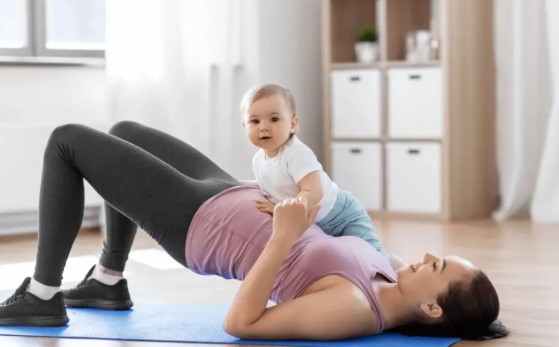
Lie on your back with knees bent and feet flat. Slowly lift your hips toward the ceiling, squeezing your glutes. This move strengthens the back, glutes, and core without putting pressure on your incision.
5. Arm and Shoulder Strengtheners
Use light resistance bands to perform gentle bicep curls, shoulder presses, and rows. These exercises help rebuild upper-body strength and improve posture for feeding and carrying your baby.
Safety Tips for Post-C-Section Workouts
- Listen to Your Body: Stop immediately if you feel pain, dizziness, or pressure at your incision site.
- Avoid High-Impact Movements: Steer clear of running, jumping, or heavy abdominal exercises until cleared by your doctor.
- Watch for Signs of Overexertion: Redness, swelling, or pain around the incision are signs you may need more rest.
- Stay Hydrated and Nourished: Proper nutrition supports healing and energy during recovery.
- Prioritise Rest: Sleep is as important as exercise in the postpartum phase.
Incorporating Mind-Body Wellness
In addition to physical recovery, emotional wellness is vital for new mothers. Gentle yoga, stretching, or meditation can complement your postnatal exercise program by reducing stress and enhancing mindfulness. Breathing techniques also improve relaxation and core reactivation, helping you reconnect with your body.
Practising gratitude and patience during this period fosters a healthier mindset and a more positive recovery journey. Remember, progress may be slow — and that’s perfectly okay. Healing is personal, and your body deserves compassion as it rebuilds.
Conclusion
Recovering from a C-section takes time, and every mother’s experience is unique. A safe, structured postnatal exercise program helps rebuild strength, restore confidence, and promote physical and emotional well-being. By focusing on gentle movements, proper breathing, and gradual progression, new mothers can heal effectively while avoiding strain or injury.
As recovery continues, transitioning into a long-term postpartum exercise program ensures lasting fitness, improved energy, and a strong foundation for motherhood.