
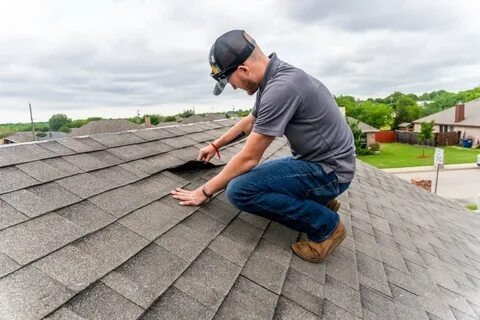
Let’s be honest. Roofing is dangerous work. We’re talking about one of the most hazardous jobs in construction, where a single misstep can end in tragedy. Falls from elevation account for way too many workplace injuries and deaths every year. That’s why professional roofing contractors take safety protocols seriously. Not just for show, but because lives literally depend on it.
In Calgary, we’ve got our own set of challenges that make roofing even trickier. The weather changes on a dime. One minute, it’s calm; the next, you’re dealing with sudden wind gusts. Our architectural styles feature many steep-pitched roofs. And those temperature swings? They’ll test both your materials and your crew’s endurance. Good roofing contractors in Calgary know all this. They build their safety programs around these realities, not some textbook definition of “best practices.”
Building a Real Safety Culture
There’s a big difference between checking boxes and actually keeping people safe. Professional roofing companies understand this. Safety starts long before anyone climbs a ladder. It begins with training that goes beyond the basics.
Every crew member needs to know fall prevention inside and out. They need hands-on experience with equipment, not just a video they watched once. They have to recognize hazards instinctively, the kind of awareness that only comes from proper training and experience. And when something goes wrong, they need to know exactly what to do without panicking.
Here’s the thing, though. Training isn’t a one-and-done deal. Regulations change. New equipment comes out. Better techniques are being developed. Companies that take safety seriously invest in ongoing education. They keep their crews up to date, certified, and sharp.
Calgary throws some unique curveballs at roofers. Those steep pitches we mentioned? They’re not just aesthetically pleasing. They’re legitimately more dangerous to work on. Weather conditions can shift from perfect to hazardous in twenty minutes. Extreme cold affects your grip, your materials, and even your ability to think clearly. Heat exhaustion hits hard during those scorching summer weeks. Competent contractors adapt their safety protocols to these local realities rather than relying on generic industry standards.
The Gear That Actually Saves Lives
Walk onto a professional job site, and you’ll immediately notice the equipment. Real professionals don’t skimp here. Personal fall arrest systems are non-negotiable. We’re talking full-body harnesses, not those waist-belt relics. Shock-absorbing lanyards that actually work. Anchor points are engineered and tested to withstand the forces involved when someone falls.
But fall protection is just the start. Hard hats protect against falling tools and materials. Safety glasses keep debris out of the eyes. Proper roofing boots with slip-resistant soles make a massive difference on pitched surfaces. Gloves protect hands from cuts, burns, and splinters. During Calgary’s intense summer sun, heat safety becomes just as critical as fall protection. Hydration isn’t optional. Scheduled breaks in the shade aren’t laziness. They’re surviving.
Then you’ve got the collective systems – guardrails along roof edges. Safety nets are positioned to catch falls. Warning lines marking dangerous zones. These systems protect everyone on site, not just individual workers. They create layers of protection. If one system fails, the others remain. That’s how you actually prevent tragedies, rather than just reacting to them.
Your Home Deserves Protection Too
Crew safety matters most, obviously. But professional contractors also understand that they’re working on someone’s most significant investment. Property protection starts before demolition begins.
Good contractors walk your property first. They document everything. Take photos. Note vulnerable areas. They’re looking for things homeowners might not even think about. That decorative window trim directly below the roof edge? It’s getting protected. Garden beds under the work zone? Covered. Driveway where materials will be loaded? Plywood goes down first.
Ever wonder why professional crews use magnetic sweepers? Because even one nail in a car tire or a pet’s paw is one too many. Thorough cleanup isn’t just courtesy. It’s part of the job. Debris collection happens continuously, not just at the end. Tarps get positioned strategically. Materials get contained.
Inside your home, attics are protected with a covering to catch anything that might fall through during the tear-off. HVAC vents are sealed to prevent dust infiltration. Contractors establish clear communication about when the noise will be worst, when you might feel vibration, and when you should keep kids and pets inside. These details separate professional operations from sloppy ones.
When Calgary Weather Gets Involved
Anyone who’s lived here knows how quickly the weather can change. Wind is the biggest safety concern for roofing crews. Gusts can knock someone off balance. They can turn loose shingles into projectiles. They can ruin partially completed installations. Professional crews monitor the weather constantly. They have hard cutoff points. When the wind exceeds certain speeds, work stops. Period. No exceptions, no matter how behind schedule they might be.
Temperature extremes create totally different challenges. Summer heat exhaustion is real and dangerous. Symptoms can creep up on you. Good contractors enforce mandatory water breaks. They provide shade. They adjust hours to avoid the worst heat. They train everyone to recognize warning signs in themselves and their coworkers.
Winter work requires a different mindset. Snow and ice have to be cleared before anyone walks on a roof. Specialized materials and techniques are used to handle cold temperatures. Shorter daylight hours mean tighter schedules and better lighting. Frozen fingers affect dexterity and grip. Everything takes longer and requires more caution.
Rain isn’t just an inconvenience. Wet surfaces are exponentially more dangerous. Moisture compromises material performance. Most manufacturers void warranties if you install during precipitation. Contractors who push through rainy conditions aren’t being efficient. They’re being reckless. Professional operations maintain weather contingency plans and communicate proactively about delays rather than gambling with safety.
Beyond OSHA Minimums
OSHA sets baseline requirements that contractors must meet. But here’s a secret. The best contractors exceed those minimums by a wide margin. They participate in voluntary safety programs. They conduct their own internal audits. They empower workers to stop unsafe work without fear of retaliation.
Think about that last point. In how many industries can a worker say “this isn’t safe” and actually have work pause while the concern gets addressed? That’s the kind of culture that prevents accidents. Not rules written in a manual somewhere, but a genuine commitment to bringing everyone home safely.
Ongoing education matters here, too. New roofing materials require new installation techniques and new safety considerations. Equipment technology advances. Better methods are being developed. Companies serious about safety stay current with it all. They send crews to training. They bring experts in. They invest time and money because they understand that cutting corners on safety eventually costs far more than prevention ever would.
Making the Site Work
Equipment and training matter, but so does basic organization. Professional contractors establish designated material storage away from the roof edges. They create marked pathways to prevent trip hazards. They implement tool accountability so nothing gets left where it might fall. They keep the site organized to reduce chaos and confusion.
Communication protocols ensure everyone knows what’s happening. Daily safety briefings cover specific risks for that day’s work. Weather conditions get discussed. Site-specific hazards get reviewed. Hand signals and radio systems keep everyone coordinated, even when noise makes talking impossible.
Emergency response procedures get established before work begins. Where’s the first aid kit? Who’s trained to use it? How do you call for help? What’s the fastest route for emergency vehicles? These aren’t things you want to figure out after someone’s hurt. Planning makes all the difference.
The Insurance Question
Professional contractors carry serious insurance coverage. Workers’ compensation protects employees if they’re injured. General liability protects you as the homeowner if something damages your property or if someone else gets hurt. This isn’t optional coverage where corners can be cut. It’s fundamental protection that legitimate contractors maintain without question.
You should always verify insurance before work starts. Ask for certificates. Confirm coverage is current. Make sure limits are adequate. Reputable contractors provide this documentation immediately and understand why homeowners need it. Anyone who hesitates or makes excuses about insurance? That’s a massive red flag. Walk away.
Beyond insurance, professional contractors maintain proper licensing and bonding. They pull necessary permits. They follow building codes. They stand behind their work with real warranties. All of this reflects a commitment to operating professionally rather than cutting corners to undercut competitors on price.
Choosing Contractors Who Actually Care
When you’re getting quotes for roofing work, safety should factor into your decision as much as price. Ask about safety training programs and request documentation of their safety record. Find out what specific fall protection systems they’ll use on your project. Watch whether their initial assessment includes safety considerations or just focuses on measuring and pricing.
Good contractors welcome these questions. They’ll explain their protocols in detail. They’ll tell you how they protect properties, what safety measures you’ll see during work, and how they handle weather delays or complications. This transparency indicates someone who treats safety as fundamental rather than viewing it as a regulatory hassle to minimize.
Yes, safety-focused contractors might cost a bit more upfront. But consider what you’re getting. Reduced liability risk. Confidence that work will be completed properly without incidents. Peace of mind knowing experienced professionals are protecting themselves and your property. Lower insurance premiums because quality contractors often trigger better rates. These benefits far outweigh any nominal price difference.
The Bottom Line
Professional roofing safety isn’t complicated in theory. It requires proper equipment, thorough training, careful planning, and genuine commitment from everyone involved. But implementing it consistently, especially when facing schedule pressure or difficult conditions, separates real professionals from pretenders.
As a homeowner, you have the right to expect comprehensive safety measures on your property. You’re not being difficult or unreasonable by asking questions about protocols and equipment. You’re being smart. The contractors worth hiring will respect those questions and provide clear, confident answers. Because they know that safety isn’t something you compromise on. Ever.