
Few things disrupt daily life quite like a damaged tooth. Whether it’s a sharp pain from a crack or the embarrassment of a chipped front tooth, dental damage can affect more than just your smile-it can impact your confidence, your eating habits, and even your overall health. Fortunately, modern dentistry offers a variety of restorative treatments designed to repair, protect, and restore damaged teeth, often with results that look and feel natural.
Understanding Tooth Damage: What Happens When Teeth Break Down?
Teeth are remarkably strong, but they aren’t invincible. Damage can come from many sources: trauma, decay, wear and tear, or even habits like grinding and chewing hard objects. The extent of damage varies widely—from small chips and cracks to extensive decay or complete tooth loss.
When enamel cracks or chips, the damage might seem minor, but it can expose the inner layers of the tooth to bacteria and sensitivity. Decay, on the other hand, gradually eats away at the tooth structure, weakening it and potentially leading to infection or abscess if untreated. Understanding the nature and severity of the damage is crucial for choosing the right treatment.
Common Types of Tooth Damage
Chipped Teeth: Often caused by accidents or biting on hard objects, chips can range from tiny surface flaws to larger pieces breaking off. Even a small chip can lead to increased sensitivity and may require cosmetic repair to restore the tooth’s appearance and function.
Cracked Teeth: Cracks can be superficial or extend deep into the tooth, sometimes causing pain when chewing or sensitivity to temperature. The location and depth of the crack often determine the treatment approach, which can range from a simple filling to a root canal if the pulp is affected.
Tooth Decay: Cavities result from bacterial activity that erodes enamel and dentin, potentially leading to infection. Regular dental check-ups are essential for early detection and treatment of decay, as it can progress silently and cause significant damage before symptoms appear.
Fractured Teeth: More severe than cracks, fractures may split the tooth into separate pieces, often requiring more extensive treatment. In some cases, a fractured tooth may necessitate extraction, especially if the fracture extends below the gum line or compromises the tooth’s structural integrity.
Beyond these common types, other factors can contribute to tooth damage. For instance, bruxism, or teeth grinding, often occurs during sleep and can lead to significant wear over time. This habit not only wears down the enamel but can also lead to jaw pain and headaches. Additionally, dietary choices play a crucial role; acidic foods and beverages can erode enamel, making teeth more susceptible to damage. Maintaining good oral hygiene and being mindful of habits and diet can significantly impact the longevity and health of your teeth. For professional care and advice, it’s always a good idea to visit Burwood Diamond Dental.
Filling the Gap: Restorative Options for Minor to Moderate Damage
When damage is limited to small areas, restorative dentistry offers several straightforward, effective solutions. These treatments aim to preserve as much natural tooth structure as possible while restoring function and appearance.
Dental Fillings
Fillings are the most common treatment for cavities and minor chips. After removing decayed or damaged tissue, the dentist fills the space with a durable material. Options include composite resin, which matches tooth color, or traditional amalgam, which is silver-colored but highly durable.
Composite fillings are popular because they blend seamlessly with natural teeth, making them ideal for visible areas. They bond directly to the tooth, providing additional support. The procedure is quick, often completed in one visit, and can last many years with proper care. Moreover, advancements in dental technology have led to improved composite materials that are not only more aesthetically pleasing but also more resistant to wear and tear, making them a long-lasting choice for many patients.
Dental Bonding
Bonding is a versatile technique used to repair chipped, cracked, or discolored teeth. The dentist applies a tooth-colored resin directly onto the damaged area, then shapes and hardens it with a special light. Bonding is less invasive than crowns or veneers and is usually completed in a single appointment.
While bonding is a cost-effective and quick fix, it may not be as durable as other options and can stain over time. It’s an excellent choice for small cosmetic repairs or temporary solutions. Additionally, bonding can be an effective way to close gaps between teeth or alter the shape of a tooth, providing a more uniform smile without the need for extensive procedures. Patients often appreciate the immediate results, which can significantly enhance their confidence and overall satisfaction with their smile.
Inlays and Onlays
When damage is too extensive for a filling but not severe enough to require a crown, inlays and onlays come into play. These are custom-made restorations crafted in a dental lab and bonded to the tooth. Inlays fit within the cusps of the tooth, while onlays cover one or more cusps.
Made from porcelain, composite resin, or gold, these restorations offer strength and durability. They preserve more natural tooth structure compared to crowns and provide a precise fit, improving both function and aesthetics. The process typically involves two visits: the first for preparing the tooth and taking impressions, and the second for placing the custom restoration. This method ensures that the inlay or onlay fits perfectly, providing a seamless integration with the existing tooth structure. Patients often find that inlays and onlays not only restore their teeth but also enhance their overall dental health, allowing for better chewing function and reducing the risk of further decay or damage.
When Damage Runs Deep: Advanced Restorative Treatments
Some dental injuries or decay penetrate deeper into the tooth, affecting the pulp or causing structural instability. These cases require more comprehensive treatments to save the tooth and prevent further complications.
Root Canal Therapy
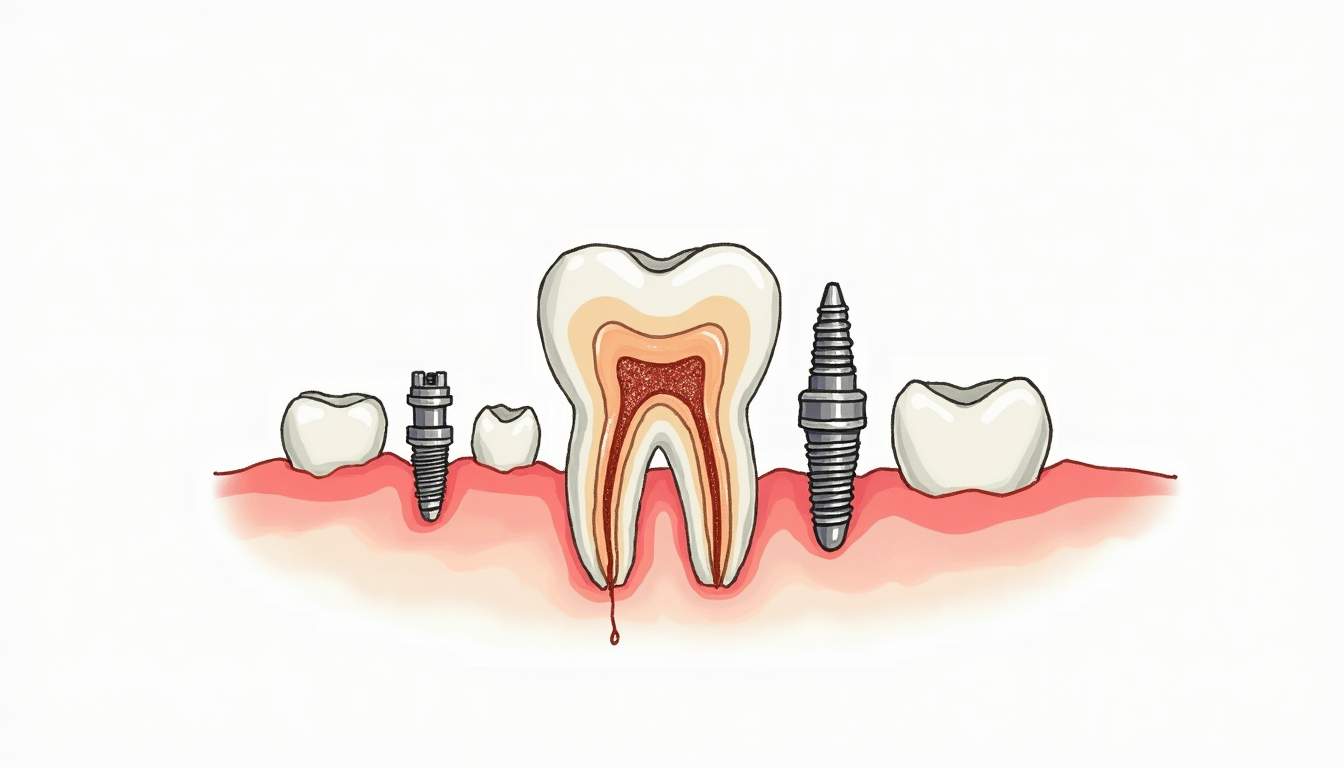
Root canal treatment is often necessary when decay or trauma reaches the tooth’s pulp-the innermost layer containing nerves and blood vessels. Infection here can cause severe pain and swelling.
The procedure involves removing the infected pulp, cleaning and disinfecting the canals, and sealing them to prevent reinfection. Afterward, the tooth is usually restored with a crown to provide strength and protection. Despite its reputation, root canal therapy is a routine and generally painless procedure that can save a tooth that might otherwise need extraction.
Dental Crowns
Crowns, or caps, cover the entire visible portion of a tooth. They’re used when a tooth is weakened by decay, fracture, or after root canal therapy. Crowns restore strength, shape, and appearance, allowing the tooth to function normally.
Materials for crowns include porcelain, metal, or a combination of both. Porcelain crowns are favored for their natural look, especially on front teeth. The process typically requires two visits: one to prepare the tooth and take impressions, and another to place the custom crown.
Tooth Extraction and Replacement
In cases where a tooth is too damaged to save, extraction may be the only option. Losing a tooth can affect chewing, speech, and the alignment of surrounding teeth, so replacement is important.
Options for replacement include dental implants, bridges, and dentures. Implants are titanium posts surgically placed into the jawbone, acting as artificial roots topped with crowns. They offer the most natural function and appearance but require sufficient bone and healing time.
Bridges use adjacent teeth as anchors to support a false tooth, while dentures are removable appliances that replace multiple teeth. Each option has pros and cons, and the best choice depends on individual circumstances.
Protecting Your Restorations and Preventing Future Damage
Restorative treatments can dramatically improve damaged teeth, but maintaining them requires care. Good oral hygiene, regular dental visits, and avoiding habits that stress teeth are essential.
Daily Care Tips
Brushing twice a day with fluoride toothpaste and flossing daily help prevent decay around restorations. Using a soft-bristled brush and avoiding abrasive toothpaste can protect surfaces from wear.
Wearing a mouthguard during sports or if you grind your teeth at night can prevent new damage. Avoid chewing ice, hard candy, or other tough substances that can chip or crack teeth.
Regular Dental Checkups
Routine dental visits allow early detection of problems before they worsen. Dentists can check the integrity of fillings, crowns, and other restorations, and perform professional cleanings to keep teeth healthy.
Addressing minor issues promptly can save time, money, and discomfort down the road.
Choosing the Right Treatment: What to Expect at Your Dental Visit
Every damaged tooth is unique, and so is the best approach to restoring it. Dentists will evaluate your oral health, discuss symptoms, and take X-rays to understand the extent of damage.
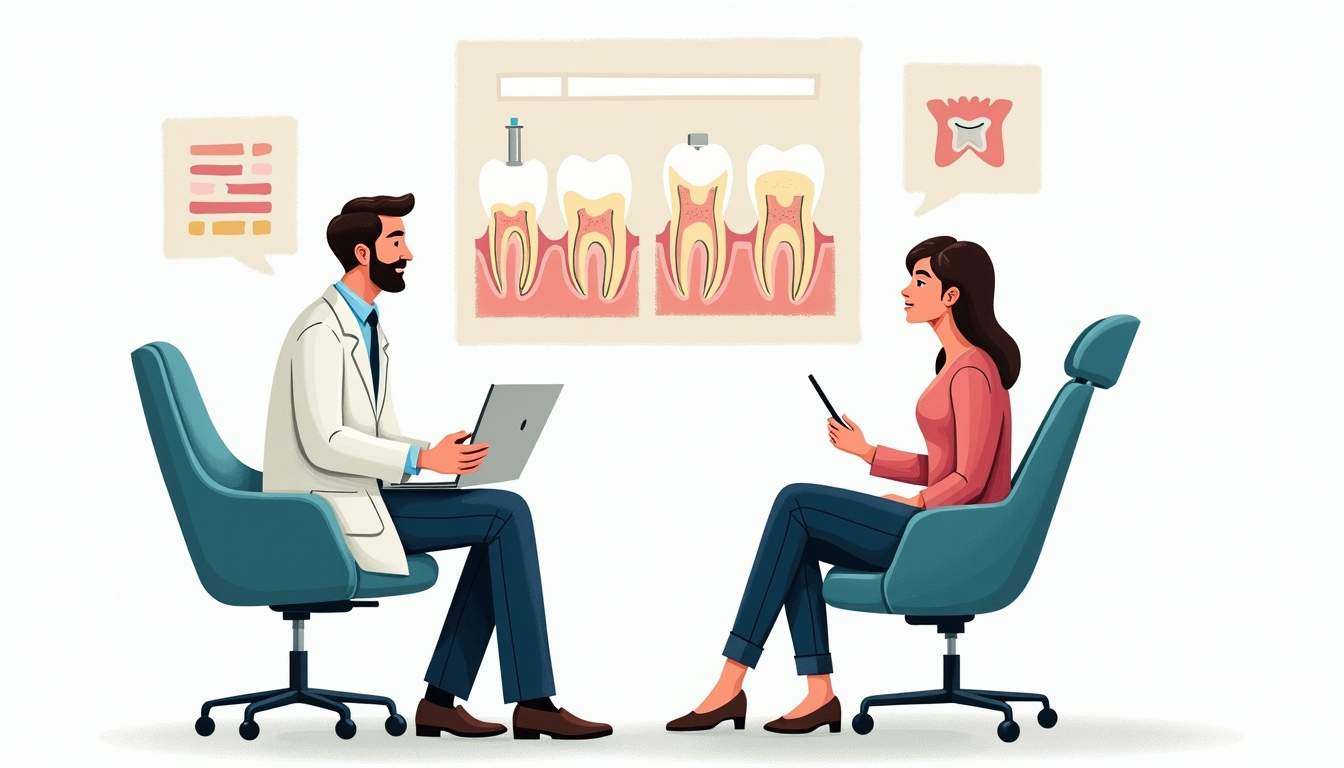
Treatment plans are tailored to your needs, balancing factors like durability, aesthetics, cost, and how quickly you want the treatment completed. Don’t hesitate to ask questions or express concerns-understanding your options empowers you to make the best decision.
Questions to Ask Your Dentist
- What are the pros and cons of each treatment option?
- How long will the restoration last?
- What can I expect during and after the procedure?
- Are there any risks or potential complications?
- How should I care for my restored tooth?
Being informed helps reduce anxiety and ensures you’re comfortable with your treatment plan.
Final Thoughts
Damaged teeth don’t have to mean a lifetime of discomfort or embarrassment. Advances in restorative dentistry offer solutions that not only fix the problem but also restore confidence and quality of life. Whether it’s a simple filling, a crown, or a dental implant, the right treatment can make a world of difference.
Taking prompt action and maintaining good oral habits will help keep your smile healthy and strong for years to come.