
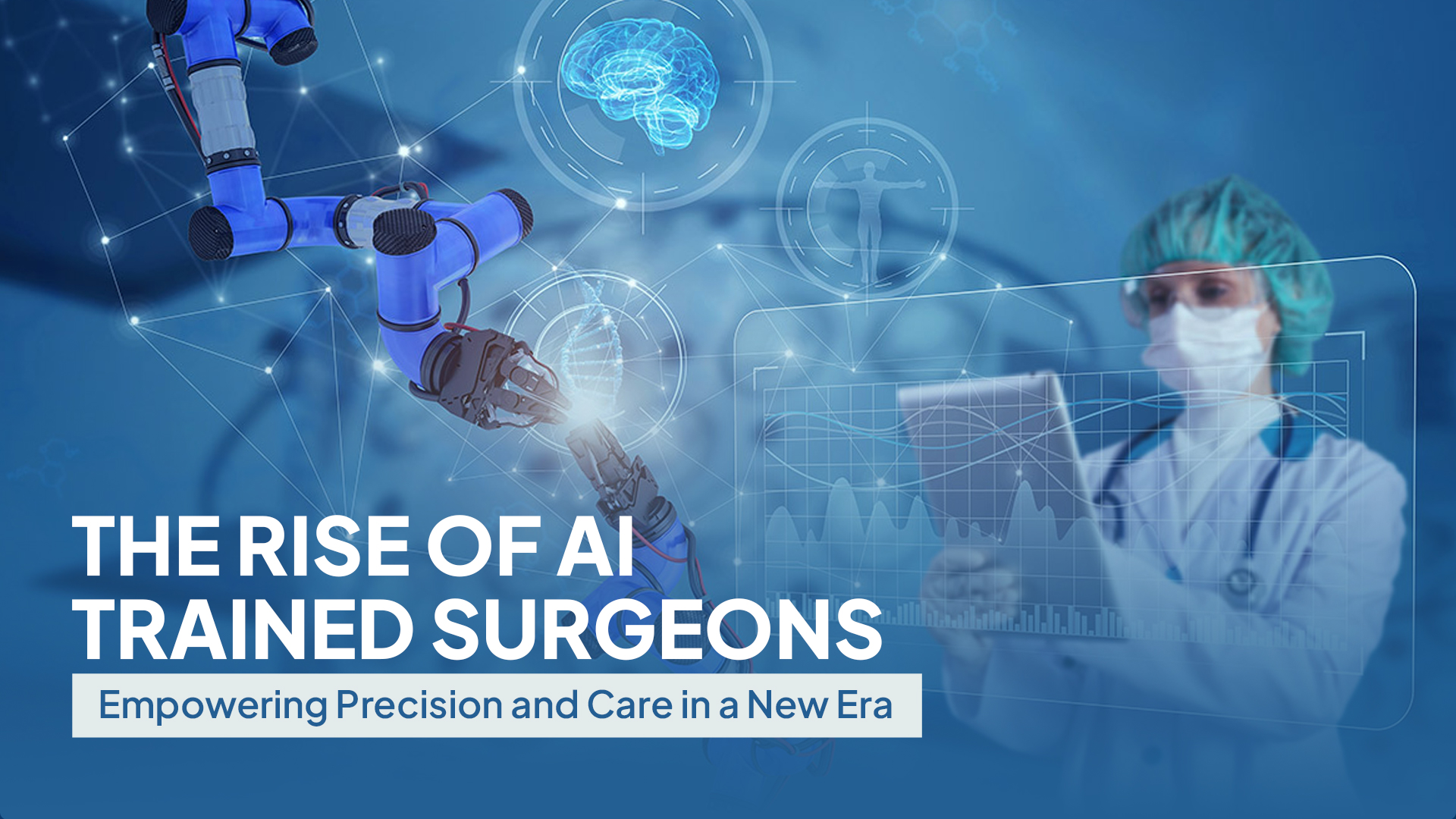
The global healthcare landscape is experiencing a breakthrough transformation, and at the heart of this revolution stands the remarkable rise of AI-trained surgeons. These advanced systems—powered by artificial intelligence, machine learning, and data-driven technologies—are helping surgeons reach unprecedented levels of accuracy, efficiency, and safety. As AI becomes deeply woven into surgical practices, it is reinventing not only how operations are performed, but also how medical teams plan, train, and provide patient care afterward. Companies like Artema Medical, renowned for producing high-quality surgical instruments, are playing a crucial role in this evolving ecosystem, ensuring that the tools used in AI-assisted environments maintain unmatched precision and reliability.
The combination of human expertise and intelligent technology is opening doors to a new era of surgery—one that promises better outcomes, fewer risks, and a more personalized experience for patients worldwide. Let’s explore how AI-trained professionals are reshaping modern surgical care.
The Evolution of AI in Surgery: A New Standard of Excellence
Artificial intelligence has already revolutionized many aspects of healthcare—from diagnostics to disease prediction. But its influence in surgery represents one of the most significant advancements so far. AI-trained surgical systems learn from immense datasets, including past surgical procedures, real-time imaging, anatomical variations, and clinical outcomes. These systems analyze this data to assist surgeons in ways that were unimaginable just a decade ago.
AI-trained professionals are not replacing surgeons—instead, they complement their skillsets. By providing real-time decision support, risk analysis, and precision guidance, AI allows surgeons to focus on the most critical aspects of the operation while relying on intelligent systems for enhanced accuracy.
Smarter Pre-Operative Planning Through AI
One of the biggest advantages of AI in surgical care is its ability to transform pre-operative planning. Traditionally, surgeons rely on imaging scans, physical assessments, and personal experience to plan the procedure. While effective, this method leaves room for variability and unpredictability.
AI changes this by offering:
1. Comprehensive Data Analysis
AI tools analyze thousands of similar cases and integrate patient-specific data—such as age, medical history, and anatomical differences—to predict risks and suggest optimal strategies.
2. Custom 3D Models
AI-driven software can generate 3D models of a patient’s organs or skeletal structures, helping surgeons visualize every step before entering the operating room.
3. Predictive Risk Assessment
Artificial intelligence identifies potential complications ahead of time, allowing surgeons to plan accordingly.
When these AI-powered plans are combined with premium surgical tools from Artema Medical, surgeons gain an exceptional advantage—a clear, safe, and highly accurate roadmap to guide the procedure.
AI in the Operating Room: The Ultimate Surgical Partner
Inside the operating room, AI-trained systems become powerful allies. These intelligent tools support surgeons during the operation by offering unmatched precision, guidance, and stability.
Real-Time Surgical Assistance
AI recognizes critical structures such as blood vessels, nerves, and tumors in real-time. It highlights these areas to help surgeons avoid accidental damage.
AI-Driven Robotics
Robotic surgical platforms powered by AI can perform micro-scale movements that exceed human precision. They stabilize instruments, reduce hand tremors, and automate delicate tasks with extraordinary control.
Augmented Reality Integration
Augmented reality overlays generated by AI allow surgeons to view deeper anatomical structures without making additional incisions.
Immediate Alerts and Corrections
If a surgeon deviates from the planned path or approaches a sensitive area, AI systems issue immediate alerts—helping prevent errors before they occur.
When surgeons use these advanced systems alongside high-quality tools manufactured by Artema Medical, the result is a significantly safer and more refined surgical experience.
AI Improves Patient Safety and Reduces Complications
Patient safety is one of the biggest benefits of AI-driven surgical care. Because AI systems analyze massive amounts of data in real time, they can identify risks faster than a human eye.
AI Enhances Safety Through:
- Early detection of abnormal bleeding
- Real-time monitoring of vital signs
- Automated adjustments of robotic instruments
- Predictive algorithms warning about complications
- High-precision control to avoid accidental tissue damage
This proactive approach helps reduce surgical errors, making procedures safer and outcomes more predictable.
Post-Operative Care Enhanced by AI
AI’s value continues long after the surgery ends. Machine-learning systems monitor post-operative data to guide recovery and ensure complications are addressed quickly.
Post-Operative Benefits Include:
- Personalized recovery timelines based on patient responses
- Automated alerts for infections, bleeding, or slow healing
- Optimized medication management, adjusting doses when necessary
- Remote monitoring, reducing hospital stays
- Better long-term outcome predictions
This approach leads to faster healing, fewer readmissions, and improved patient satisfaction.
AI in Surgical Training: Building Smarter Professionals
Training surgeons has always been challenging. Traditional training depends on observation, mentorship, and practice on real patients or cadavers. But AI has introduced a revolutionary new approach.
AI-Based Training Tools Offer:
- Virtual simulation environments for practicing real-life procedures
- Performance tracking with data-driven feedback
- Error detection and correction tips
- Unlimited practice opportunities, including rare surgical scenarios
- Skill improvement from case-to-case analysis
AI-trained professionals enter the operating room more confident and better prepared than ever before. When paired with reliable surgical instruments from Artema Medical, their performance becomes even more precise.
Standardizing Surgical Quality Across Hospitals
One of the major challenges in global healthcare is the inconsistency of surgical outcomes due to differences in training, skill levels, or available resources. AI addresses this challenge by providing standardized support across all surgical environments.
Whether it is a major metropolitan hospital or a smaller regional facility, AI-trained systems help ensure uniform surgical excellence.
AI Helps Standardize Care By:
- Offering consistent guidance
- Providing decision support based on global datasets
- Reducing variations in technique
- Supporting surgeons during complex steps
- Enhancing accuracy even under stressful conditions
With the combination of these intelligent systems and high-quality instruments from Artema Medical, surgical care becomes more consistent and reliable across the board.
The Future of Surgical Care: Intelligent Operating Rooms
The future of surgery lies in fully integrated intelligent operating rooms. These advanced spaces will combine robotics, AI, sensors, augmented reality, and high-performance instruments to create an environment where every movement and decision is optimized for patient safety.
Future intelligent operating rooms may include:
- AI-guided robotic systems
- Voice-activated surgical tools
- Augmented reality visual mapping
- Automated safety systems
- Cloud-based collaboration for remote surgical assistance
- Predictive analytics guiding surgeons in real time
As this technology continues to develop, companies like Artema Medical will remain essential by providing durable, precise instruments compatible with these advanced systems.
Conclusion
The arrival of AI-trained surgical professionals is reinventing surgical care in ways once thought impossible. By enhancing pre-operative planning, improving precision in the operating room, elevating patient safety, and modernizing training, AI is setting a new standard in healthcare. And with the support of companies like Artema Medical, which supply top-tier surgical instruments designed for accuracy and durability, this transformation becomes even more powerful.
AI is not here to replace surgeons—it is here to empower them. Together, human expertise and artificial intelligence are shaping a future where surgical care is smarter, safer, faster, and far more precise. The world of modern surgery is changing—and AI-trained professionals are leading the way.