
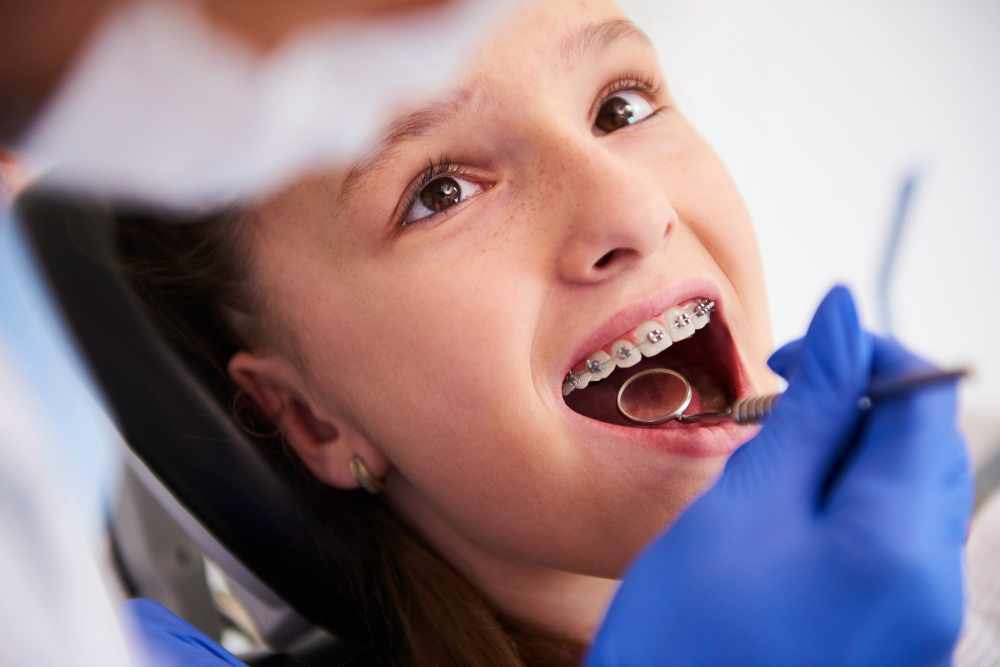
A confident smile plays a powerful role in how we look, feel, and interact with others. However, dental issues such as crooked teeth, gaps, or bite problems can affect not only appearance but also oral health and overall wellbeing. This is where orthodontics comes in.
Orthodontic treatment focuses on correcting misaligned teeth and jaws, helping patients achieve a balanced bite, improved oral function, and long-lasting dental health. With advanced technology and modern treatment options, orthodontics in Indirapuram has become accessible, effective, and suitable for patients of all ages.
This blog explores everything you need to know about orthodontic treatment, including types of braces, who needs orthodontics, the treatment process, benefits, and frequently asked questions.
What Is Orthodontics?
Orthodontics is a specialised branch of dentistry that deals with the diagnosis, prevention, and correction of misaligned teeth and jaw irregularities. The goal of orthodontic treatment is not just cosmetic improvement but also better oral function, easier cleaning, and reduced risk of dental problems such as tooth decay, gum disease, and jaw pain.
Misaligned teeth can place excessive pressure on certain areas of the mouth, leading to uneven wear and discomfort. Orthodontics helps restore balance and harmony to the smile.
Common Dental Problems Treated With Orthodontics
Orthodontic treatment can correct a wide range of dental and jaw-related issues, including:
-
Crooked or overlapping teeth
-
Crowded teeth due to lack of space
-
Gaps between teeth
-
Overbite or deep bite
-
Underbite
-
Crossbite
-
Open bite
-
Jaw misalignment
If left untreated, these problems may worsen over time, making oral hygiene difficult and increasing the risk of long-term dental complications.
Types of Orthodontic Treatments Available
Modern orthodontics offers multiple treatment options, allowing patients to choose solutions that best fit their needs, lifestyle, and aesthetic preferences.
1. Traditional Metal Braces
Metal braces are one of the most reliable and effective orthodontic solutions. They use brackets and wires to gradually move teeth into their correct positions. Today’s metal braces are smaller, more comfortable, and more efficient than older versions.
2. Ceramic Braces
Ceramic braces work similarly to metal braces but use tooth-coloured brackets that blend with natural teeth. They are a popular choice for adults and teenagers who want effective treatment with a more discreet appearance.
3. Self-Ligating Braces
These braces use advanced clips instead of elastic bands to hold the wire in place. This design reduces friction, improves comfort, and may shorten treatment duration for some patients.
4. Clear Aligners
Clear aligners are removable, transparent trays that gradually align teeth. They are nearly invisible and allow patients to eat, brush, and floss without restrictions. Clear aligners are ideal for mild to moderate orthodontic issues.
5. Lingual Braces
Lingual braces are fixed behind the teeth, making them completely hidden from view. They are suitable for patients who want effective orthodontic treatment without visible braces.
6. Retainers
After orthodontic treatment, retainers are used to maintain the results. They prevent teeth from shifting back to their original positions and are an essential part of long-term success.
Who Can Benefit From Orthodontic Treatment?
Orthodontics is suitable for people of all ages. Treatment plans are customised based on dental condition, age, and personal goals.
Children
Early orthodontic evaluation can detect potential issues before they become severe. Early treatment may reduce the need for complex procedures later.
Teenagers
Adolescence is a common time for orthodontic treatment because teeth and jaws are still developing, making corrections easier and more effective.
Adults
More adults are now choosing orthodontic treatment thanks to discreet options like ceramic braces and clear aligners. Age is not a barrier to achieving a healthier smile.
The Orthodontic Treatment Process
Initial Consultation
The orthodontic journey begins with a detailed examination of teeth, jaws, and bite. X-rays, photographs, or digital scans may be taken to create an accurate treatment plan.
Treatment Planning
Based on the diagnosis, the orthodontist recommends the most suitable treatment option and explains the expected duration, care routine, and outcomes.
Active Treatment Phase
Braces or aligners are fitted, and regular follow-up visits are scheduled to monitor progress and make necessary adjustments.
Post-Treatment Retention
Once treatment is complete, retainers are provided to preserve the results and prevent relapse.
Benefits of Orthodontic Treatment
Orthodontics offers both functional and aesthetic benefits, including:
-
Straighter, more attractive smile
-
Improved chewing and speech
-
Easier brushing and flossing
-
Reduced risk of cavities and gum disease
-
Balanced jaw alignment
-
Enhanced self-confidence
Correctly aligned teeth contribute to better oral hygiene and long-term dental stability.
Caring for Teeth During Orthodontic Treatment
Maintaining good oral hygiene during orthodontic treatment is crucial. Patients are advised to:
-
Brush after every meal
-
Use interdental brushes or floss
-
Avoid sticky or hard foods
-
Attend regular dental check-ups
Proper care helps prevent plaque buildup and ensures successful treatment outcomes.
Why Choose Professional Orthodontic Care in Indirapuram?
Orthodontic care in Indirapuram combines advanced technology, personalised treatment planning, and professional expertise. Patients benefit from modern equipment, customised solutions, and a patient-focused approach that prioritises comfort, safety, and long-term results.
Frequently Asked Questions (FAQs)
1. How long does orthodontic treatment take?
Treatment duration varies depending on the complexity of the case. It typically ranges from 12 to 24 months.
2. Are braces painful?
Some discomfort may occur after adjustments, but it is usually mild and temporary.
3. Can adults get orthodontic treatment?
Yes, orthodontic treatment is effective for adults, and discreet options are widely available.
4. Are clear aligners as effective as braces?
Clear aligners are effective for mild to moderate alignment issues. Severe cases may require braces.
5. Is a retainer necessary after treatment?
Yes, retainers are essential to maintain the corrected position of teeth and prevent relapse.