
Introduction
Lymphedema is a chronic, progressive condition characterized by the accumulation of protein-rich fluid in the interstitial tissues due to impaired lymphatic drainage. It often arises after cancer treatments such as lymph node removal or radiation, but it may also occur due to congenital abnormalities, infection, or trauma. As the condition advances, patients experience swelling, discomfort, fibrosis, recurrent infections, and reduced mobility. Because inflammation plays a key role in lymphedema progression, many patients and clinicians wonder whether anti-inflammatory medications – specifically non-steroidal anti-inflammatory drugs (NSAIDs) – can provide symptom relief and influence disease management. While NSAIDs are widely used to treat pain and inflammation in numerous conditions, their role in lymphedema therapy is more nuanced.
Definition
Non-Steroidal Anti-Inflammatory Drugs (NSAIDs) lymphedema therapy refers to the use of NSAIDs – such as ibuprofen or naproxen – to help reduce inflammation, discomfort, and pain associated with lymphedema. While NSAIDs do not treat the underlying cause of lymph fluid buildup, they may be used as supportive therapy to ease symptoms like swelling-related soreness or inflammation, typically alongside standard treatments such as compression, exercise, and manual lymphatic drainage.
How NSAIDs Work
NSAIDs reduce inflammation by inhibiting cyclooxygenase (COX) enzymes—COX-1 and COX-2. These enzymes play essential roles in the production of prostaglandins, molecules that contribute to pain, fever, and inflammatory processes. By reducing prostaglandin synthesis, NSAIDs can alleviate discomfort, swelling, and inflammatory responses in many musculoskeletal and soft-tissue conditions.
Common NSAIDs include:
- Ibuprofen
- Naproxen
- Diclofenac
- Aspirin
- Indomethacin
Because inflammation accompanies many stages of lymphedema, NSAIDs may seem like a logical choice. However, the lymphatic system has unique physiological characteristics that complicate their usefulness.
Inflammation and Lymphedema: A Complex Relationship
Lymphedema isn’t caused by inflammation alone. Although acute inflammation contributes to swelling, the underlying issue is mechanical: the lymphatic vessels cannot transport lymph effectively. Over time, stagnant lymph triggers chronic inflammatory responses, resulting in tissue hardening (fibrosis), fatty tissue deposition, and further reduction in lymphatic function.
Key inflammatory processes in lymphedema include:
- Activation of macrophages and T-cells
- Persistent low-grade inflammation
- Release of cytokines and growth factors
- Progressive fibrosis
Because inflammation is intertwined with lymphatic dysfunction, theoretically, blocking pro-inflammatory pathways could slow or modulate disease progression. Yet NSAIDs affect only one part of this broader process.
Potential Benefits of NSAIDs for Lymphedema
While NSAIDs are not a primary treatment for lymphedema, they may offer several supportive benefits in specific cases.
1. Pain Relief
Patients with lymphedema often experience:
- Aching sensations
- Heaviness
- Joint discomfort due to swelling
- Musculoskeletal pain from altered biomechanics
NSAIDs may help manage mild to moderate pain, improving daily function and comfort.
2. Reduction of Acute Inflammatory Flares
Some individuals experience episodic inflammatory flares—periods of increased swelling, warmth, and tenderness. These are not infections but localized inflammatory responses triggered by strain, injury, or overuse. NSAIDs may reduce the severity of such flares.
3. Improved Mobility
Pain and inflammation can limit range of motion, especially in the limbs. If NSAIDs temporarily reduce discomfort, patients may engage more effectively in prescribed therapies such as exercise and manual lymph drainage.
Limitations of NSAIDs in Lymphedema Therapy
Despite their potential benefits, NSAIDs have substantial limitations when applied to lymphedema management.
They Do Not Address the Root Cause:
Lymphedema stems from impaired lymphatic drainage. NSAIDs do not repair lymphatic vessels, increase lymphatic pumping capacity, or restore structural function.
They may temporarily mask symptoms while leaving the underlying issue unchanged.
Limited Evidence of Long-Term Effectiveness:
Research examining NSAIDs in lymphedema therapy is limited and inconclusive. Some studies suggest short-term symptomatic relief, but there is no consistent evidence that NSAIDs reduce limb volume or slow disease progression. Because chronic inflammation in lymphedema is multi-factorial, COX inhibition alone may have minimal long-term impact.
Possible Interference with Lymphatic Physiology:
Some research indicates that certain NSAIDs – particularly COX-2–selective inhibitors – may affect lymphangiogenesis (formation of new lymphatic vessels). While more studies are needed, any reduction in lymphatic repair mechanisms could theoretically be counterproductive in chronic lymphedema.
Not Suitable for Treating Infections:
Cellulitis and lymphangitis are common complications of lymphedema. NSAIDs cannot treat bacterial infections and may even delay appropriate medical care if symptoms are mistaken for inflammatory flares. When infection is suspected – fever, spreading redness, heat – patients require medical evaluation for antibiotic treatment.
Where NSAIDs Fit Within Standard Lymphedema Treatment
Lymphedema therapy is multifaceted and usually follows components of Complete Decongestive Therapy (CDT):
- Manual lymph drainage (MLD) – a specialized massage technique to encourage lymph flow.
- Compression therapy – garments or bandages that prevent swelling from returning.
- Exercise – gentle, rhythmic movements to stimulate lymphatic circulation.
- Skin care – preventing infection and maintaining tissue health.
In this context, NSAIDs may be used adjunctively to manage pain or inflammation that interferes with therapy participation. Some scenarios where NSAIDs may be considered include:
- Managing soreness during the early phases of intensive therapy
- Controlling inflammation following minor injuries or overexertion
- Reducing discomfort that limits mobility or exercise tolerance
However, they are not a replacement for compression or other core treatments. Without mechanical support and lymphatic stimulation, swelling will persist regardless of NSAID use.
Alternative Anti-Inflammatory Strategies in Lymphedema Management
Since chronic inflammation contributes significantly to lymphedema progression, several non-pharmacological strategies can complement therapy:
- Compression therapy reduces fluid accumulation and inflammatory triggers.
- Weight management helps lower systemic inflammation and tissue burden.
- Gentle exercise promotes lymphatic pumping and reduces stiffness.
- Anti-inflammatory diets rich in whole foods, omega-3 fatty acids, and antioxidants may support overall tissue health.
- Skin care prevents infections that escalate inflammation.
Some clinicians also explore specialized treatments such as photobiomodulation (low-level laser therapy) or microsurgical lymphatic reconstructions, depending on severity and individual circumstances.
Safety Considerations for NSAID Use
Even though NSAIDs are readily available, they carry risks, especially when used chronically. Considerations include:
- Gastrointestinal irritation or ulcers
- Kidney function effects
- Increased cardiovascular risk with long-term use
- Interactions with blood thinners or other medications
- Potential masking of early infection symptoms
Because lymphedema patients may have other health conditions – such as hypertension, diabetes, or cardiovascular disease – professional guidance is important before relying on NSAIDs for ongoing symptom control.
Growth Rate of Non-Steroidal Anti-Inflammatory Drugs (NSAIDs) Lymphedema Therapy Market
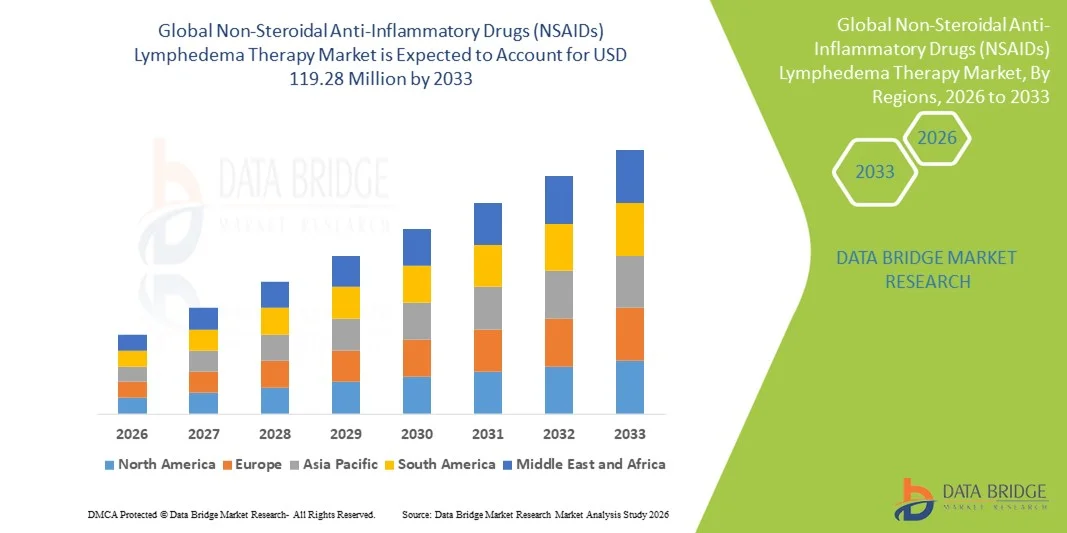
According to Data Bridge Market Research, the Non-Steroidal Anti-Inflammatory Drugs (NSAIDs) Lymphedema Therapy market was estimated to be worth USD 56.29 million in 2025 and is projected to grow at a compound annual growth rate (CAGR) of 9.84% to reach USD 119.28 million by 2033.
Conclusion
NSAIDs can play a limited, supportive role in managing the pain and acute inflammation often associated with lymphedema, but they are not a primary treatment and cannot address the root cause of the condition. Their benefits are mostly symptomatic and short-term, making them useful for selected situations such as inflammatory flares, therapy-related discomfort, or mild pain that interferes with daily activities.