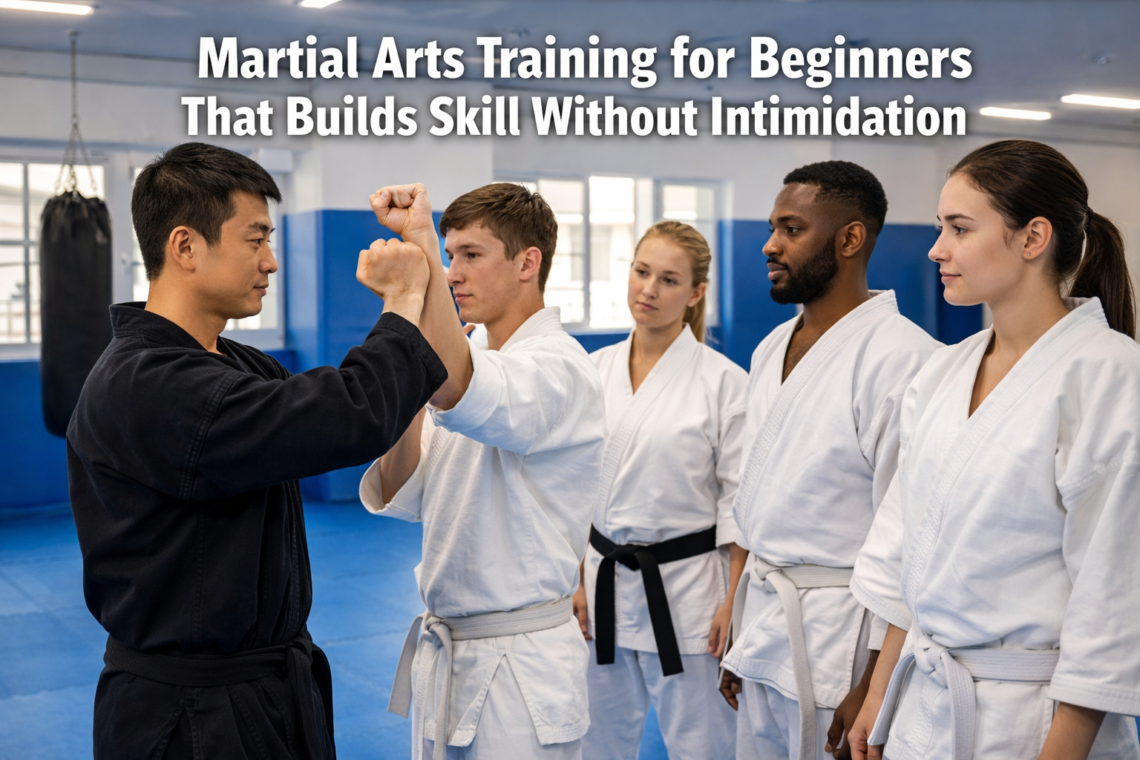
Starting martial arts training can feel overwhelming for beginners. Many people imagine intense sparring, rigid traditions, or an environment where only the strongest thrive. In reality, modern martial arts programs are increasingly designed to be welcoming, structured, and confidence-building—especially for those with no prior experience. The right beginner-friendly martial arts training focuses on skill development, personal growth, and safety without intimidation.
A Supportive Introduction to Martial Arts
For beginners, the most important element of martial arts training is a supportive learning environment. Quality programs emphasize respect, patience, and progression rather than competition or ego. Instructors are trained to meet students where they are, adapting techniques to different fitness levels, ages, and learning styles. This approach allows beginners to feel comfortable asking questions, making mistakes, and improving at their own pace.
A positive atmosphere helps new students build confidence early. When intimidation is removed, students are more likely to stay consistent, which is essential for long-term progress in martial arts.
Structured Learning That Builds Real Skill
Beginner martial arts training should follow a clear, structured curriculum. Rather than throwing students into advanced techniques, effective programs break down movements into simple, repeatable steps. Fundamentals such as balance, posture, breathing, and basic strikes or defensive movements are introduced gradually.
This method ensures that beginners develop proper technique from the start. Over time, these foundational skills translate into improved coordination, strength, and mental focus. Structured progression also allows students to see measurable improvement, which keeps motivation high.
Safety and Control Come First
One of the biggest concerns for beginners is the fear of injury. Reputable martial arts schools prioritize safety through controlled training, protective equipment, and clear guidelines. Sparring, if introduced at all, is done in a supervised and respectful manner, with an emphasis on learning rather than winning.
Controlled drills and partner exercises help beginners understand movement and timing without unnecessary risk. This focus on safety allows students to train confidently and consistently, which leads to better results over time.
Physical Fitness Without Extreme Pressure
Martial arts training for beginners is an excellent way to improve fitness without the pressure of high-intensity workouts. Classes naturally build strength, flexibility, endurance, and mobility through purposeful movement rather than repetitive gym routines.
Because training is skill-based, beginners often find it more engaging than traditional exercise. The focus shifts from “pushing harder” to “moving better,” making martial arts accessible even to those who haven’t exercised regularly before.
Mental Benefits and Confidence Building
Beyond physical benefits, martial arts offer powerful mental advantages for beginners. Learning new techniques improves focus, discipline, and problem-solving skills. As students progress, they gain confidence not only in their abilities but also in their mindset.
This confidence extends beyond the training space. Many beginners report improved stress management, better posture, and a stronger sense of self-awareness. Martial arts training becomes a tool for personal development, not just self-defense.
Choosing the Right Martial Arts Program for Beginners
When selecting a martial arts program, beginners should look for schools that emphasize respect, clear instruction, and gradual progression. Introductory classes, beginner-focused curricula, and approachable instructors are key indicators of a non-intimidating environment.
Observing a class or speaking with instructors can help determine whether the program aligns with personal goals. The best beginner martial arts training empowers students to grow at their own pace while feeling supported every step of the way.
A Strong Start Leads to Lifelong Practice
Martial arts training beginners take part in doesn’t have to be intimidating to be effective. For beginners, the right program builds skill, confidence, and fitness in a structured and encouraging way. By focusing on fundamentals, safety, and personal growth, martial arts can become a lifelong practice that enhances both body and mind—starting from day one.