
There’s nothing quite as frustrating as a key that suddenly refuses to budge or snaps off inside your lock. One moment you’re about to step inside, and the next, you’re staring helplessly at a stubborn piece of metal trapped where it shouldn’t be. Whether it’s your front door, car ignition, or a padlock, a stuck or broken key can throw a wrench into your day. But before panic sets in, it helps to know what steps to take next.
Why Does a Key Get Stuck or Break in the Lock?
Understanding why your key is stuck or broke can prevent the same problem from happening again. Keys don’t just get stuck for no reason. Several factors contribute to this common issue:
- Wear and Tear: Over time, keys and locks wear down. The metal can weaken, making keys more prone to bending or snapping.
- Misalignment: If the lock mechanism is out of alignment or damaged, the key might not slide in or out smoothly.
- Dirt and Debris: Dust, grime, or rust inside the lock can cause friction, making it harder to turn or remove the key.
- Using the Wrong Key: Sometimes, a key that’s slightly off or duplicated poorly can get stuck because it doesn’t fit perfectly.
- Excessive Force: Jamming the key or turning it too hard when it’s not cooperating can cause it to snap inside.
Knowing these causes can help you avoid similar headaches in the future. It’s also important to regularly maintain your locks and keys to ensure they function smoothly. For instance, lubricating your locks with a graphite-based lubricant can help prevent dirt buildup and reduce friction, making it easier for your key to operate without resistance. Additionally, inspecting your keys for signs of wear, such as bending or cracking, can alert you to potential issues before they lead to a breakage.
Another factor to consider is the environmental conditions in which your locks and keys are used. Extreme temperatures, whether hot or cold, can affect the metal properties of your key and lock. For example, in colder climates, moisture can freeze inside the lock, leading to a stuck key. Conversely, in humid environments, rust can form, further complicating the lock’s functionality. Being aware of these external factors can help you take proactive measures, such as using weather-resistant locks or storing spare keys in a dry, controlled environment. For professional guidance or reliable services, you can visit LockSmith Singapore for expert assistance.
Immediate Steps When Your Key Is Stuck
When you realize your key won’t come out or is stuck mid-turn, the first thing is to stay calm. Rushing or forcing the key can make things worse.
Don’t Force It
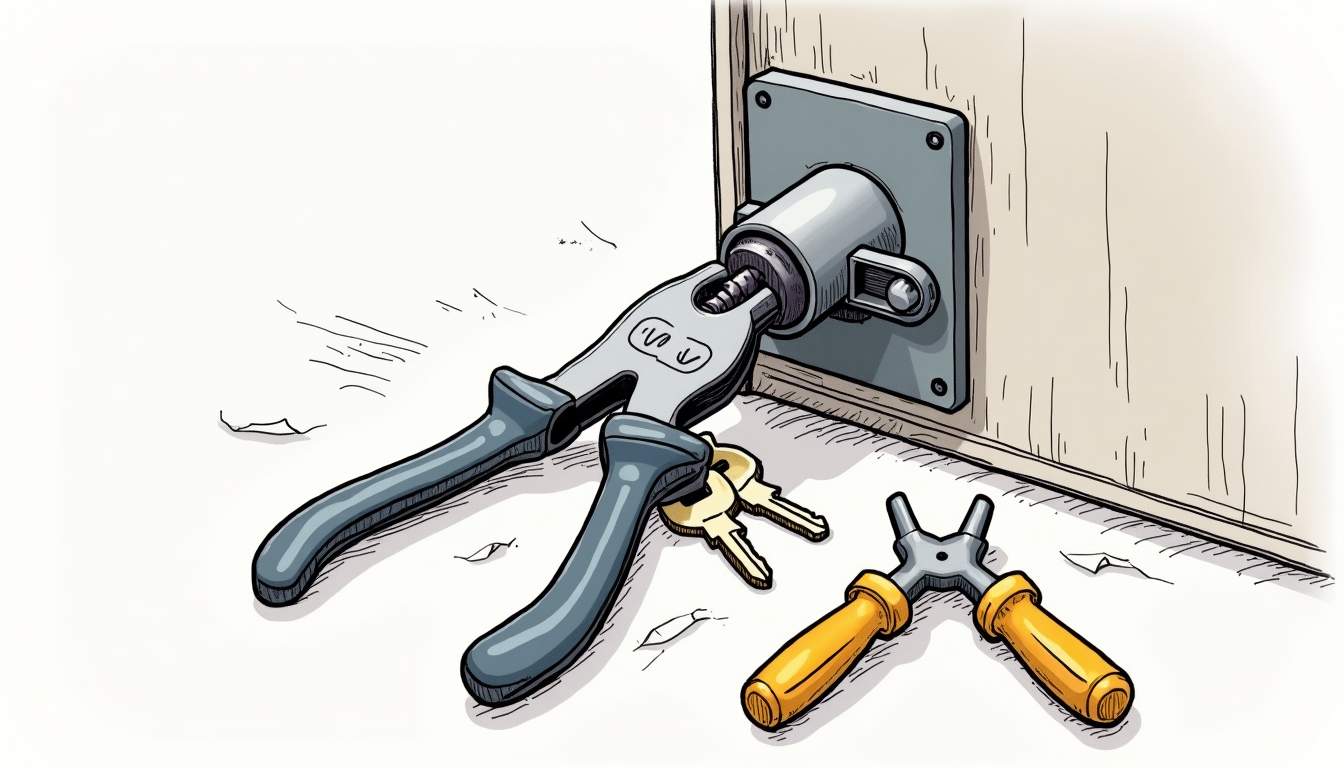
It’s tempting to yank or twist harder, but this usually leads to a broken key inside the lock. Instead, try to gently wiggle the key back and forth. Sometimes a little movement can free it without damage.
Lubricate the Lock
Locks that are dry or clogged with debris often cause keys to stick. A small amount of graphite powder or a silicone-based lubricant sprayed into the keyhole can reduce friction. Avoid using oil-based lubricants like WD-40 as they can attract dust and gunk up the lock over time.
Check the Key’s Position
Make sure the key is fully inserted and aligned properly. Sometimes the key isn’t quite in the right spot, which causes it to jam. Gently push it all the way in and try turning it slowly.
Inspect the Lock Mechanism
If the key remains stuck despite your efforts, it may be worth inspecting the lock mechanism itself. Over time, locks can accumulate dirt, rust, or wear down, leading to malfunctions. If you have access to a flashlight, take a closer look inside the keyhole. You might spot debris or signs of wear that could be causing the issue. In some cases, a simple cleaning with a soft brush can help remove any buildup that’s obstructing the key’s movement.
Consider Temperature Effects
Another factor that can contribute to a stuck key is temperature. Extreme cold can cause metal to contract, potentially making it harder for the key to turn or come out. If you suspect that temperature is playing a role, try warming the key slightly with your hands or using a hairdryer on a low setting to gently warm the lock. Be cautious not to overheat the lock, as this could cause damage to the internal components.
How to Remove a Broken Key from a Lock
If the key snaps off inside the lock, don’t panic. It’s a common problem, and there are several ways to tackle it yourself before calling a professional.
Gather the Right Tools
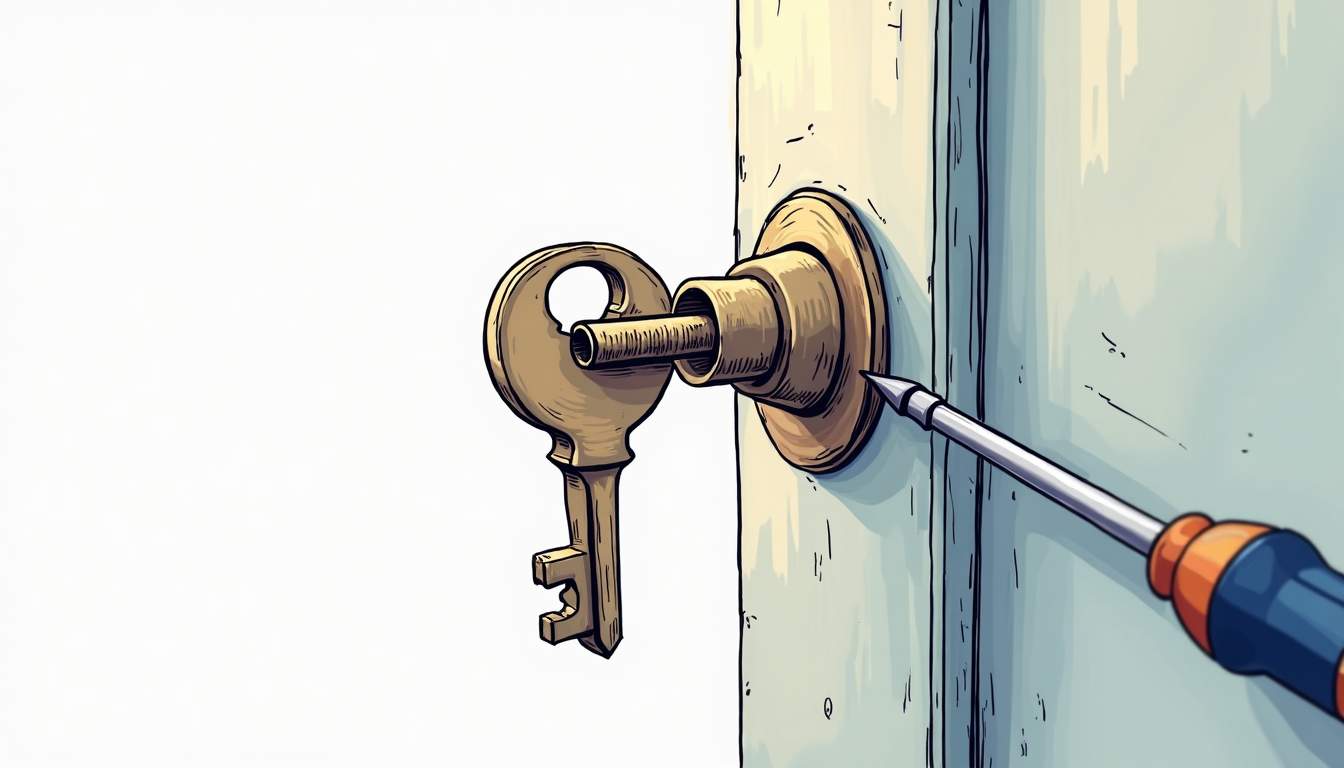
You’ll need a few simple tools to attempt key extraction:
- Tweezers or needle-nose pliers
- A small flathead screwdriver or a key extractor tool
- A flashlight to see inside the lock
- Lubricant (graphite powder or silicone spray)
Step-by-Step Removal Process
Follow these steps carefully:
- Apply Lubricant: Spray some graphite or silicone lubricant into the lock to loosen the broken key piece.
- Use Tweezers or Pliers: If part of the broken key is sticking out, gently grip it with tweezers or needle-nose pliers and pull it straight out. Avoid twisting as it can push the piece further in.
- Try a Key Extractor Tool: If the key is fully inside, a key extractor tool or a small flathead screwdriver can help. Insert the tool alongside the broken key piece and try to hook it, then pull it out slowly.
- Tap the Lock Lightly: Sometimes tapping the lock gently with a small hammer or screwdriver handle can help dislodge the broken piece.
- Patience Is Key: Don’t rush. Work slowly and carefully to avoid pushing the key deeper or damaging the lock.
When DIY Isn’t Enough
If you’ve tried all the above and the key still won’t budge, it’s time to call a locksmith. Professional locksmiths have specialized tools and experience to remove broken keys safely without damaging the lock. Attempting too much on your own can lead to costly repairs or a full lock replacement.
It’s also worth noting that prevention is key when it comes to avoiding broken keys in the future. Regularly inspect your keys for signs of wear and tear, and replace them if they appear to be weakened. Additionally, ensure that your locks are well-maintained; applying lubricant periodically can help keep the mechanisms functioning smoothly, reducing the likelihood of keys snapping off inside.
Moreover, if you find yourself frequently dealing with stubborn locks, consider upgrading to higher-quality locks that are designed to withstand wear and tear better. Some modern locks even come with features that prevent key breakage, such as anti-drill and anti-pick technologies. Investing in better hardware can save you time and frustration in the long run.
Preventing Future Key Breakage or Sticking
Once you’ve dealt with the immediate problem, it’s smart to take steps to prevent it from happening again.
Keep Locks Clean and Lubricated
Regularly cleaning your locks and applying a graphite or silicone-based lubricant can keep them operating smoothly. Avoid oil-based lubricants that attract dirt.
Use the Correct Key
Always use the right key for the lock. If you have duplicates made, ensure they are cut properly and fit perfectly. A poorly cut key is more likely to get stuck or break.
Avoid Excessive Force
If a key doesn’t turn easily, don’t force it. Investigate the cause-whether it’s dirt, misalignment, or a faulty lock-and address it rather than pushing harder.
Replace Old or Worn Keys
Keys that are bent, cracked, or worn down should be replaced promptly. Using damaged keys increases the risk of breakage inside the lock.
Upgrade Old Locks
If your locks are old or frequently problematic, consider upgrading to newer, higher-quality models. Modern locks are often more durable and less prone to jamming.
What to Do If You’re Locked Out
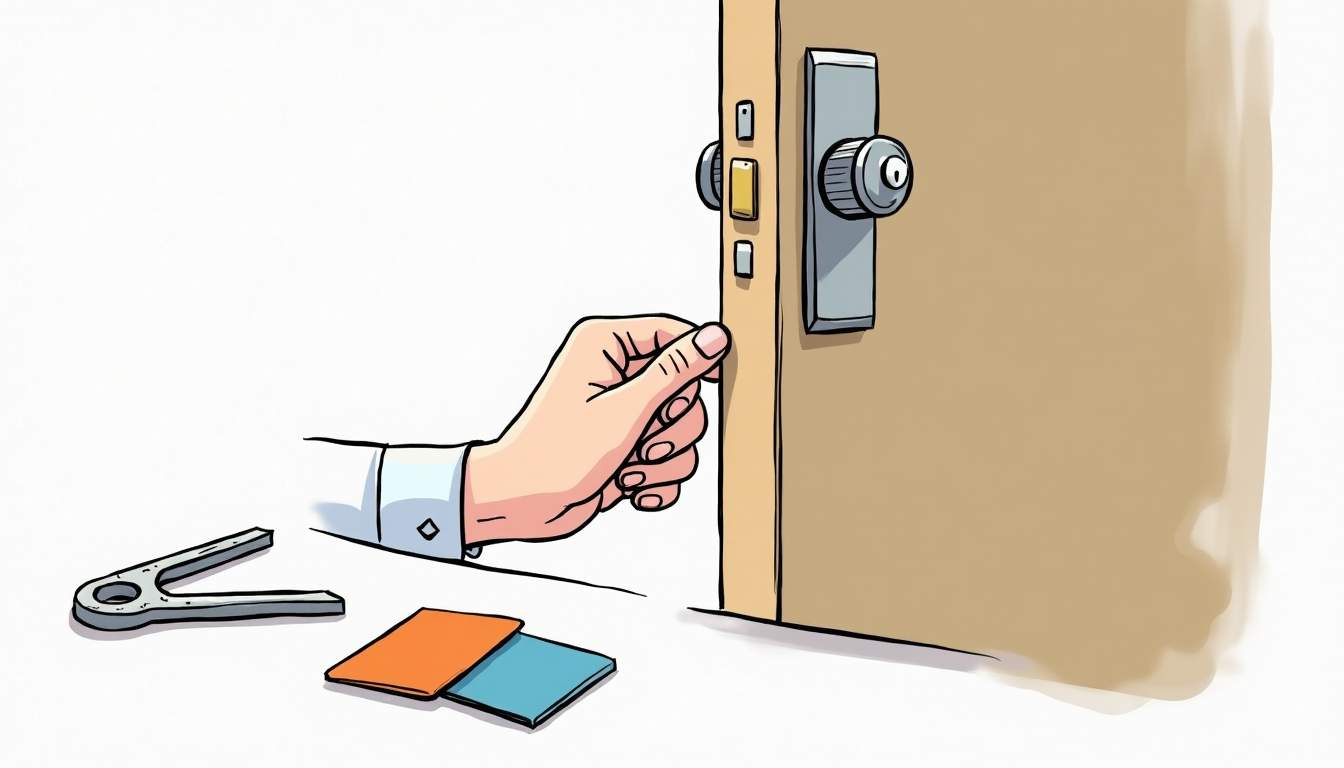
Sometimes a stuck or broken key means you can’t get inside at all. Locked out situations are stressful, but there are options.
Try Spare Keys
If you have a spare key, now’s the time to use it. Keep spare keys in safe, accessible places to avoid lockouts.
Contact a Locksmith
Professional locksmiths can often get you back inside quickly without damaging your lock or door. They can also extract broken keys and replace locks if needed.
Emergency Services
For car lockouts or urgent situations, some locksmiths offer 24/7 emergency services. It’s worth having a trusted locksmith’s number saved for these moments.
Don’t Attempt Forced Entry
Breaking a window or forcing a door open can cause injury and expensive damage. It’s almost always better to call a professional.
When to Replace the Lock Entirely
Sometimes, the lock itself is the problem. If you notice recurring issues with keys sticking, breaking, or the lock mechanism failing, replacement might be the best solution.
Signs You Need a New Lock
- Keys frequently get stuck or break
- The lock feels loose or wobbly
- It’s difficult to turn the key even after lubrication
- The lock is old and rusty
- You’ve experienced a security breach or lost keys
Choosing a Replacement Lock
When replacing a lock, consider quality and security features. High-security locks, smart locks, or keyless entry systems can offer better protection and convenience.
Professional Installation
Having a locksmith install the new lock ensures it’s fitted correctly and functions smoothly. This can prevent future problems with keys and locking mechanisms.
Final Thoughts
A stuck or broken key is never convenient, but it’s a problem that can be solved with patience and the right approach. Avoid forcing the key, use lubrication, and try gentle extraction methods before calling in the pros. Regular maintenance and proper key use go a long way in preventing these frustrating moments.
Remember, when in doubt, a professional locksmith is your best ally. They have the tools and experience to fix the problem quickly and safely, saving you time, stress, and potential damage.