

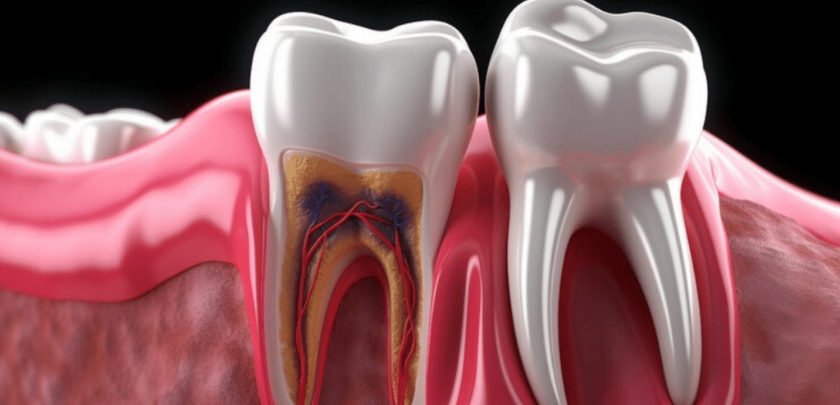
Root canal treatment is a dental procedure that removes infected or damaged pulp from the inside of a tooth. The pulp, located at the center of the tooth, contains nerves and blood vessels. When it becomes infected due to deep decay, trauma, or cracks, it can cause severe pain and may lead to tooth loss. During the procedure, the dentist removes the infected tissue, cleans the canals, shapes them, and seals them with a biocompatible material called gutta-percha. Finally, the tooth is restored with a filling or crown to protect it from further damage. Root canal treatment in Islamabad preserves your natural tooth, eliminating the need for extraction in most cases. It is considered a highly effective procedure when done correctly.
Is Root Canal Treatment Permanent?
A common question among patients is whether root canal treatment offers a permanent fix. The answer is mostly yes, but with certain considerations. Once a tooth undergoes a root canal, it is no longer living, meaning the pulp is removed. This makes the tooth less prone to infection, but it does not make it indestructible. Factors such as oral hygiene, the quality of the restoration, the type of tooth, and patient habits influence how long the tooth will last. In general, a properly treated and restored tooth can last a lifetime. Many patients enjoy decades of normal function after root canal therapy without further issues.
How Long Does a Root Canal-Treated Tooth Last?
The longevity of a root canal-treated tooth depends on multiple factors:
-
Quality of the Procedure: Skilled dentists who thoroughly clean and seal the tooth reduce the risk of reinfection.
-
Restoration Type: Teeth covered with a crown typically last longer than those with just a filling. Crowns protect the tooth from fractures.
-
Oral Hygiene: Brushing, flossing, and regular dental checkups are crucial for long-term success.
-
Lifestyle Habits: Teeth subjected to excessive pressure, grinding, or trauma are at higher risk of breaking.
| Factor | Impact on Longevity |
|---|---|
| Procedure quality | High-quality treatment increases lifespan significantly |
| Restoration type | Crowns provide better protection than fillings |
| Oral hygiene | Reduces risk of reinfection and decay |
| Lifestyle habits | Avoiding trauma and grinding prolongs tooth life |
On average, studies suggest that root canal-treated teeth have a success rate of 85–97%, and many last for decades if properly cared for.
Reviews: Patient Experiences with Root Canal Treatment
Patients often have concerns about pain, procedure complexity, and long-term effectiveness. Here are some experiences shared by real patients:
-
“I was worried about the pain, but my root canal was quick and painless. My tooth has lasted over 10 years without issues.”
-
“Thanks to modern techniques at my dental clinic, my root canal-treated molar is still strong and fully functional.”
-
“I was skeptical about the procedure, but the dentist explained everything. The treatment was successful, and I haven’t had any problems since.”
These testimonials highlight that with proper dental care and follow-up, root canal treatment is highly effective and long-lasting.
Can a Root Canal Tooth Get Infected Again?
While root canal treatment removes infection, re-infection is possible, though uncommon. Potential reasons include:
-
Incomplete Cleaning: Sometimes, tiny canals or missed areas harbor bacteria.
-
Cracks in the Tooth: Hairline fractures can allow bacteria to enter.
-
Decay or Gum Disease: Poor oral hygiene may compromise the treated tooth.
-
Failed Restoration: Leaky fillings or broken crowns can lead to reinfection.
If reinfection occurs, a dentist may recommend retreatment, which involves cleaning the canals again, or in some cases, surgical intervention such as an apicoectomy.
How Can I Maintain My Root Canal-Treated Tooth?
Proper care is key to ensuring the treated tooth remains functional for years:
-
Good Oral Hygiene: Brush twice daily, floss regularly, and use mouthwash.
-
Regular Dental Visits: Professional checkups and cleanings help detect problems early.
-
Avoid Excessive Pressure: Limit habits like chewing ice, biting nails, or grinding teeth.
-
Wear a Night Guard if Necessary: If you grind teeth at night, this protects the treated tooth.
-
Promptly Treat New Issues: Any new decay or gum problems should be addressed immediately.
Following these tips increases the longevity of your root canal-treated teeth significantly.
Are There Alternatives to Root Canal Treatment?
In some cases, extraction may be considered an alternative, especially if the tooth is severely compromised. However, removing a tooth comes with consequences, such as bone loss, shifting teeth, and the need for replacements like implants or bridges. Root canal treatment preserves your natural tooth, which is generally preferable. It maintains natural chewing function and aesthetics while avoiding complex restorative procedures later on.
| Option | Pros | Cons |
|---|---|---|
| Root Canal Treatment | Preserves natural tooth, long-lasting, high success rate | Requires proper restoration and care |
| Extraction + Implant | Permanent replacement, avoids reinfection | Expensive, requires surgery, longer healing |
| Extraction + Bridge | Functional replacement, aesthetic | Requires adjacent teeth to be prepared, may affect bone health |
Are Root Canal Procedures Painful?
Many patients fear pain during root canal treatment, but modern techniques have made the procedure nearly painless. Local anesthesia effectively numbs the area, and dentists use precise instruments to minimize discomfort.Post-procedure soreness is common for a few days but is manageable with over-the-counter pain relievers. Patients often report that the discomfort is much less than the pain caused by an infected tooth prior to treatment.
Can Root Canal Treatment Save a Tooth Forever?
Root canal treatment has the potential to save a tooth permanently if:
-
The infection is fully removed.
-
The canals are properly cleaned and sealed.
-
The tooth is restored with a durable filling or crown.
-
The patient maintains good oral hygiene and regular dental visits.
Although no procedure can guarantee 100% permanence, success rates are very high. With modern dentistry, root canal-treated teeth can function just like natural teeth for decades.
What Are the Risks of Root Canal Treatment?
While root canal treatment is safe and effective, some risks exist:
-
Tooth Fracture: Treated teeth can become brittle over time.
-
Persistent Infection: Rarely, bacteria may remain or re-enter the canals.
-
Incomplete Healing: Sometimes inflammation persists, requiring retreatment.
-
Allergic Reactions: Rarely, patients may react to materials used.
Overall, these risks are minimal compared to the benefits of preserving a natural tooth.
Conclusion
Root canal treatment is widely regarded as a permanent fix for infected or damaged teeth, especially when followed by proper restoration and oral care. While reinfection is possible, adherence to dental advice and routine checkups ensures that treated teeth can last a lifetime. Modern dentistry, including Root Canal Treatment in Islamabad, provides patients with safe, effective, and long-lasting solutions to maintain oral health and smile aesthetics.
Contact Us
For reliable and professional root canal treatment, visit Glamorous Clinic in Islamabad. Our experienced team uses advanced technology to provide painless and durable dental solutions. Book your consultation today to save your natural teeth and enjoy a confident smile!
Address : Office Number LG 20 – 21 Interlace Plaza I-8 Markaz Islamabad
Phone : +92 333 5705871
Email : info@glamorousclinic.com.pk
Link : https://www.glamorousclinic.com.pk/