
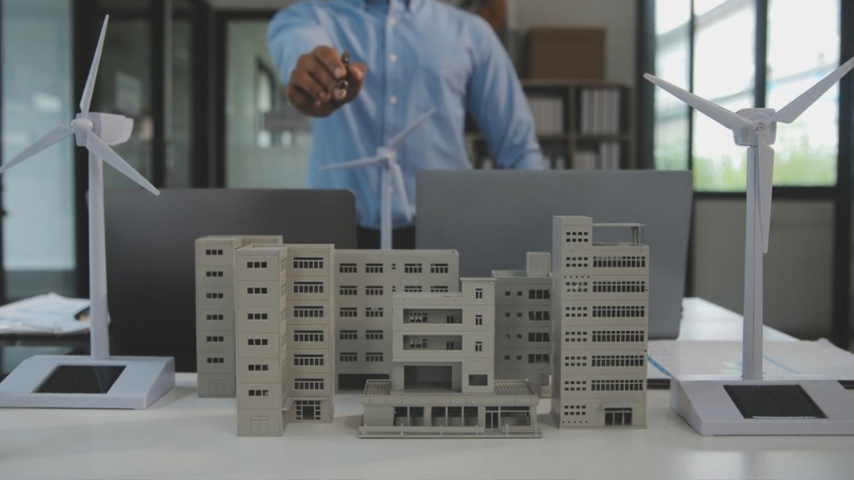
When a tower design is still in its early stages, one of the first things architects look at is how the form steps back as it rises. In model making, these setbacks are shown as simple, clear cut-backs in the upper portions of the tower. They look like gentle terraces carved into the volume, and they instantly reveal how the building lightens as it gets taller.
This makes it much easier to judge whether the tower feels too heavy at the base or whether the transitions are smooth enough to create a balanced shape. Seeing these steps physically helps the team understand how the tower will sit above the podium and how the overall form might be perceived from nearby streets.
Why Setbacks Matter for Proportion and Comfort
Dubai’s towers often rise from wide podiums, and without setbacks the shift from podium to tower can feel abrupt. A massing model helps highlight how these setbacks soften the connection between the lower levels and the vertical rise above. When these recesses are added, the tower appears slimmer, calmer, and more elegant.
This is important in busy districts where dozens of tall buildings coexist. The model shows whether the tower looks too bulky or whether the stepped shape creates a more comfortable proportion that suits its surroundings. Because the form is physically in front of them, designers can adjust the heights and depths of each setback until the tower looks right from every angle.
How Light and Shadow Behave With Stepped Forms
Dubai’s sunlight is strong and intense, so the way shadows fall matters a lot. When the tower model includes setbacks, the team can place it under a directional light source and watch how the shape casts shade at different times of the day.
The stepped form usually creates softer, more layered shadows that help reduce glare on podium terraces and nearby walkways. This is something that shows clearly in a physical model. Watching the light slide over each setback helps the team understand whether the building will offer comfortable shaded pockets at ground level or whether the upper volumes need more adjustment. It’s a simple test, but it often leads to smarter design decisions.
How Wind Patterns Become Clear Through Physical Models
Tall buildings can create uncomfortable wind conditions, especially around their podiums. Setbacks help break wind pressure, and in a massing study this effect becomes easier to understand. By examining the stepped layers in model making Dubai, designers can predict where wind might soften as it moves down the tower’s face.
Even without advanced tools, the physical form gives a hint of how air will slide, split, or diffuse around those recesses. In places like Dubai Marina or Business Bay, where narrow walkways often face wind discomfort, these early observations are valuable. They help the team refine the building shape before more detailed wind studies begin.
How Setbacks Shape Public Spaces at Podium Level
The relationship between the podium and the tower is central to Dubai’s developments. A wide podium usually houses retail, cafés, or communal terraces, and the tower’s height can easily overwhelm these areas if the form rises too abruptly. Setbacks help prevent that. In the massing model, the stepped tower shows how much openness remains above the podium.
Designers can see whether the podium terraces still feel bright and welcoming, or whether the tower leans too heavily over them. This view is useful because it reflects how future visitors will experience the space. The more relaxed the tower appears above the podium, the more inviting the lower levels usually become.
How Setbacks Reflect Zoning and Structural Logic
Some of the stepped portions in a tower are not just design choices—they are often responses to zoning rules or structural requirements. Dubai sometimes requires towers to reduce mass as they reach higher levels to avoid crowding the skyline. When these steps are shown in the massing model, anyone reviewing the project can immediately see how the design follows those regulations.
The model also reveals how the structure transitions from the wider podium footprint to the narrower tower. Engineers and architects often gather around the model to check whether the stepping pattern works with the building’s load paths. This hands-on review helps align structural and aesthetic decisions early on.
How Setbacks Contribute to a Tower’s Character
Many of Dubai’s most recognizable towers have distinct stepped silhouettes, and setbacks often give each building its personality. When designers shape these steps in the massing model, they can immediately judge whether the tower feels iconic, simple, or overly busy.
A physical model makes it easier to compare the tower’s shape with nearby buildings and see how well it fits into the skyline. Even slight adjustments to the setback lines can change the character of the tower, and examining these shifts by hand feels more intuitive than looking at a screen.
Conclusion
Tower setbacks appear in Dubai massing studies as clear, stepped recesses that help shape the design in practical and visual ways. Through model making, designers can understand how these steps influence shade, wind comfort, skyline balance, and the experience at ground level. Because the form is physical, the team can see and adjust the tower’s behaviour in a natural, intuitive way, long before detailed designs begin.