
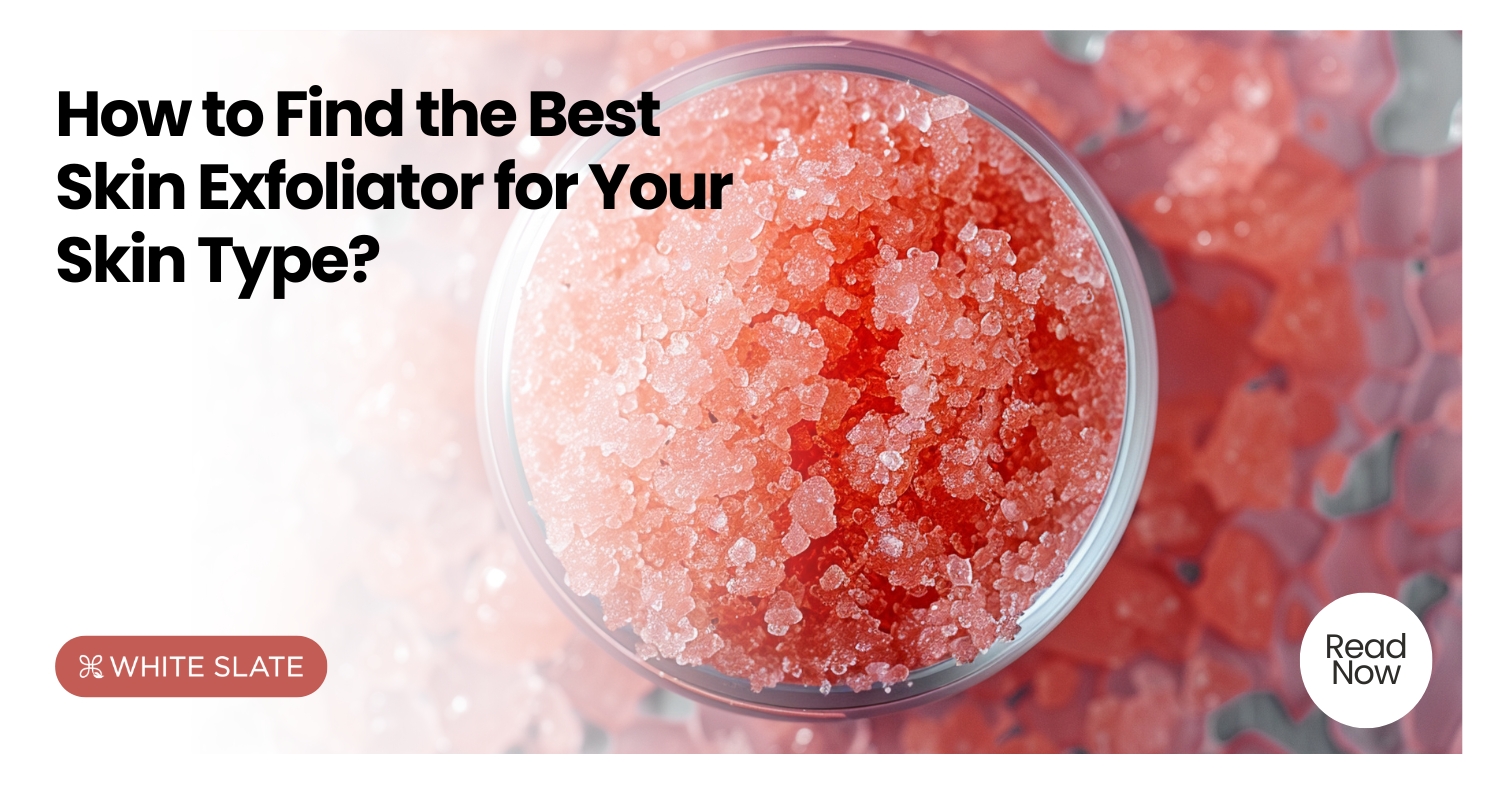
It is one of those skin care procedures that is frequently overlooked but will make all the difference in how your skin feels and looks as it works to restore smooth, radiant, healthy-appearing skin. The thing is-not all exfoliators are created for every skin type, and if you’re using the wrong one, you’ll end up with dryness, redness, or even breakouts.
So, how do you find your perfect skin exfoliator that best suits your skin type? This article will show you why exfoliation is important, how the different types of exfoliators work, and which one will work for you.
Why exfoliation is important for skin health
Your skin naturally sheds dead skin cells in a period ranging from 28 to 40 days. This process may slow up when exposed to pollution, makeup, and everyday stress; the result is dullness and clogged pores. Exfoliation removes buildup to let the new skin surface.
Regular exfoliation:
- Improves natural glow and smoothness
- Unclogs pores to prevent acne
- Improves product absorption
- Reduces irregular skin tone and texture
However, exfoliation should be done with care; overdoing it can disrupt your skin barrier and lead to irritation.
Understanding the Two Types of Exfoliators
There are primarily two types of exfoliators: physical and chemical. Knowing the differences will help you to choose between them.
1. Physical Exfoliators
These use tiny particles or tools to take off the top layer of skin manually. Common examples include sugar, coffee, or walnut shells. They are best for people with oily or combination skin, those who can tolerate a light scrubbing.
2. Chemical Exfoliators
These use mild acids or enzymes (such as AHAs and BHAs) that help dissolve dead cells. They are best for dry or sensitive skin since they are not as harsh. Common active ingredients in these exfoliators are glycolic acid, lactic acid, and salicylic acid.
Each has its place: physical exfoliation provides immediate smoothness, while chemical exfoliation fosters deeper renewal over a longer period.
Step-by-Step Guide to Choosing the Right Exfoliator
It’s not about fads; finding the right exfoliator is all about knowing what your skin needs. Here’s a breakdown: what works, and for which skin type.
1. For Dry Skin
If your skin is feeling tight or flaky, you want an exfoliant that will hydrate while delicately removing dead cells. Find products that contain lactic acid, oatmeal, or fruit enzymes. Coarse scrubs should be avoided since they can lead to micro-tears.
Use exfoliators once or twice a week, then follow through with a hydrating moisturizer.
Pro Tip: Always exfoliate after cleansing so that your exfoliator can reach the skin directly, without dirt or oil build-up.
2. For Oily Skin
Pore size, blackheads, and acne are common concerns with oily skin. Go for one that exfoliates deep in pores and controls sebum secretion. Salicylic acid or clay-based scrubbers are ideal.
A mild face scrub containing natural particles helps in controlling excess oil, while it keeps your skin fresh and clean.
Avoid over-exfoliating, which only serves to strip the skin of natural oils, leading to even more oil production.
3. For Sensitive Skin
Sensitive skin needs extra care, so remember to choose exfoliators that are hypoallergenic and fragrance-free. Use gentle enzyme-based exfoliants or mild chemical ones with PHAs.
Always patch-test any new exfoliator on your wrist or behind the ear before applying it onto the face.
Use soft hands and move your hands in circles; never rub harshly. Follow it with a soothing toner or moisturizer containing active ingredients like aloe vera or chamomile.
4. For Combination Skin
Combination skin has oily and dry zones, so it is all about balance. You can take a dual approach: a mild chemical exfoliator for your T-zone (forehead, nose, chin) and a hydrating one for your cheeks.
A balanced face polisher will work wonders, gently taking away dead cells without desiccating your skin.
Exfoliate once or twice a week, depending on your skin’s response.
5. For Normal Skin
If you have normal skin, consider yourself lucky! You can use most types of exfoliators, but remember that moderation is key. Try to alternate between physical and chemical exfoliation on a weekly basis.
Next, exfoliate in circular motions for about 30 seconds and then rinse with lukewarm water. Avoid using hot water since it strips the moisture barrier of your skin.
How Often Should You Exfoliate?
It depends on skin type and the exfoliator applied.
- Sensitive skin: Once a week
- Dry or normal skin: 1–2 times a week
- Oily skin: Up to 3 times a week depending on the product’s strength
Always listen to your skin: Burning, redness, and tightness-call for a reduction in frequency or switching to a gentler formula.
Common mistakes to avoid while exfoliating
- Over-exfoliating: When done too frequently, it can actually harm your skin barrier.
- Using abrasive scrubs: The rough particles will lead to micro-tears.
- Skipping sunscreen: Exfoliated, fresh skin is most sensitive to the ultraviolet rays.
- Not moisturizing afterward: Always apply a good moisturizer following exfoliation.
- Using multiple exfoliating products together can cause irritation or breakouts.
Skincare after Exfoliating
After exfoliation, your skin is more accommodating to other products. This is why hydrating serums or creams are best applied right after this process.
A mild gentle facewash before exfoliation helps clear impurities from the surface so your exfoliator can work effectively. Follow this up with a hydrating toner and sunscreen during the day to protect your freshly renewed skin.
If your skin feels dry after exfoliation, apply a barrier-repairing moisturizer containing ceramides or hyaluronic acid.
Natural Ingredients to Look For in Exfoliators
- Aloe Vera: Soothes and hydrates the skin.
- Green Tea: It reduces inflammation and protects from free radicals.
- Papaya & Pineapple Enzymes: Exfoliate naturally without irritation.
- Honey: Moisturizes while cleansing gently.
- Walnut Shell or Coffee Extract: Buffs away impurities, for non-sensitive skin only.
Choosing exfoliators with natural ingredients will ensure that your skin gets the nourishment it deserves while staying free from harsh chemicals.
Ideal Skincare Routine Following Exfoliation
Here’s a simple, effective post-exfoliation routine you can follow:
- Cleanse with a mild cleanser to remove surface dirt.
- Exfoliate: Gently exfoliate in a circular motion.
- Tone: Apply a calming toner for pH balance.
- Hydrate: Apply a lightweight serum containing hyaluronic acid.
- Moisturize: Seal in moisture with a nourishing cream.
- Protect: Wear SPF in the daytime to prevent UV damage.
Stick to this routine in order to keep your skin soft, glowing, and protected after an exfoliation session.
Frequently Asked Questions
Q1. Does exfoliation cause acne?
Acne can also be caused by over-exfoliation or using strong products. Know your skin type and exfoliate gently, then hydrate afterwards.
Q2. How long will it take before results are achieved with exfoliation?
You can find your skin feeling smoother after the first use, while visible improvement in texture and brightness usually takes 2-3 weeks of continued application.
Q3. Should I exfoliate in the morning or at night?
Nighttime is best since your skin repairs overnight, but if you exfoliate in the morning, always follow up with sunscreen.
Q4. Can I use exfoliator and retinol together?
Not on the same day. Both increase cell turnover and could irritate if used together. Use them alternately.
Q5. Can one use exfoliation at any age?
Yes, but the frequency and type differ. Teenagers should use a mild exfoliant, while more mature skin can be treated with a chemical exfoliator to renew it.
Final Thoughts
It’s not about following the trends; it’s about finding an exfoliator that understands your skin. Be it oily, dry, sensitive, or combination skin, there’s an exfoliator out there for you to bring out the natural glow of your skin. Always bear in mind that gentleness and consistency will always outshine intensity.
Remember, exfoliating should not tear off the skin but expose a much better layer behind the skin. A properly chosen exfoliator will make your skincare routine far more effective and your complexion visibly glowing.
Disclaimer
This article is purely for informational purposes and is not meant to substitute professional skincare advice. Always do a patch test before trying new skincare products, and consult a dermatologist if irritation, redness, or breakouts are persistent.