
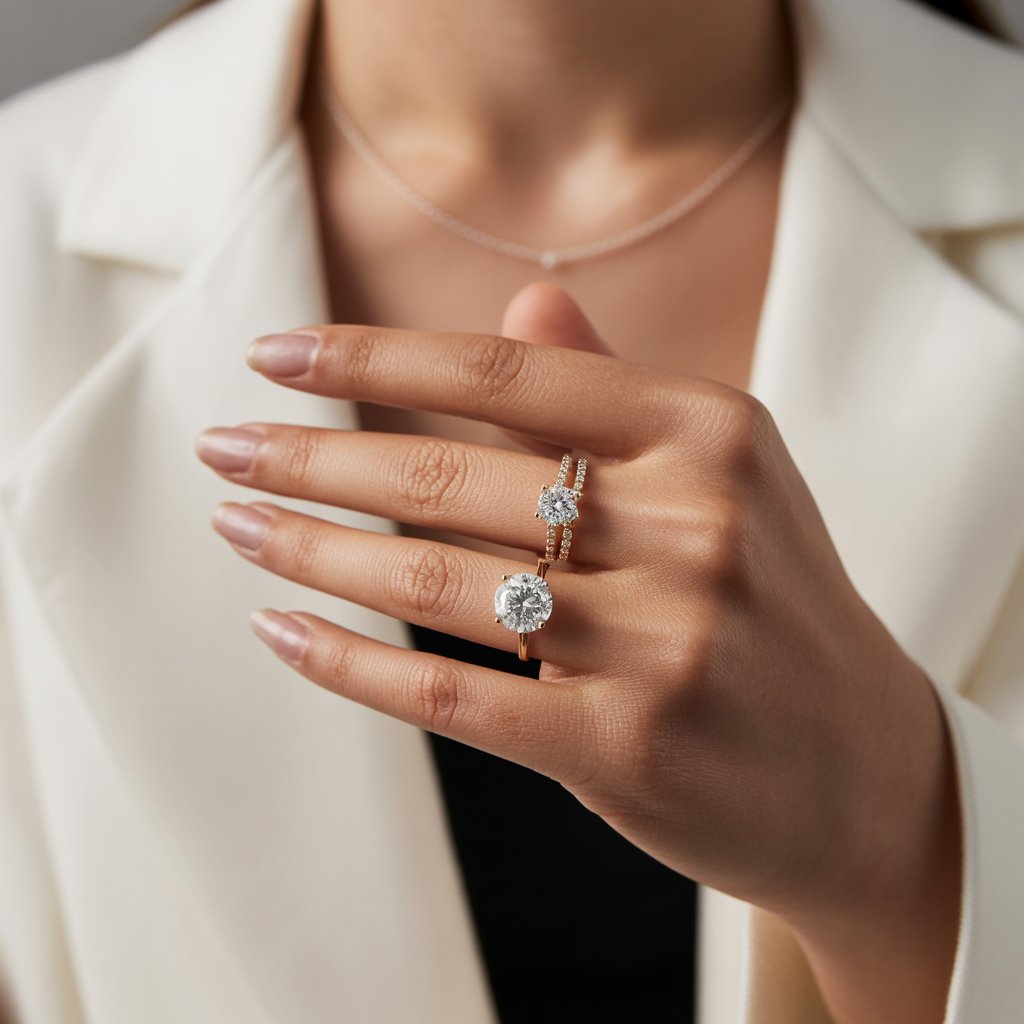
Buying a diamond ring is one of the most meaningful purchases you’ll ever make. Whether it’s for an engagement, an anniversary, or a special milestone, the ring becomes a symbol of love, commitment, and personal style. But the question that almost everyone asks before purchasing is simple yet overwhelming: How much should you spend on a diamond rings?
The truth is, there is no fixed rule or universal amount. The right budget depends on your priorities, the style you want, and the type of diamond you choose—natural or lab-grown. This guide will help you understand pricing, value, and what actually matters when choosing diamond rings that feel perfect both emotionally and financially.
The Old Rule: “Two Months’ Salary” — Does It Still Apply?
For decades, people followed the marketing-driven idea that an engagement ring should cost two or three months’ salary. Today, buyers are smarter and more practical. Most people prefer choosing a ring based on:
-
Personal budget
-
Diamond quality
-
Design preference
-
Lifestyle needs
-
Long-term value
The “salary rule” is outdated. What matters most is picking a ring that fits your budget while offering genuine quality and emotional value.
Understanding What Affects the Cost of Diamond Rings
The price of a diamond ring depends mainly on a combination of the 4Cs:
-
Cut – A well-cut diamond sparkles more and looks bigger.
-
Colour – The closer the diamond is to colourless, the higher its value.
-
Clarity – Refers to the presence of natural inclusions.
-
Carat Weight – Larger carat sizes cost more.
Along with the diamond, the following factors also affect the price:
-
Metal choice: Gold, rose gold, or platinum
-
Ring setting: Solitaire, halo, pave, three-stone, etc.
-
Craftsmanship and brand quality
-
Certification from trusted labs like IGI or GIA
Knowing these factors helps you understand why prices differ—and which aspects you should prioritise.
How Much Do People Typically Spend?
Most shoppers today take a balanced, realistic approach. Here’s an approximate range of what people usually spend on diamond rings in India:
-
Budget-friendly range: ₹20,000 – ₹60,000
-
Mid-range: ₹60,000 – ₹1,50,000
-
Premium range: ₹1,50,000 – ₹5,00,000
-
Luxury designs: ₹5,00,000 and above
However, these numbers are simply averages. Many choose smaller, minimal designs, while others invest more in larger carat sizes or custom designs.
Why Lab-Grown Diamond Rings Offer Better Value
One of the biggest reasons for the rising popularity of lab-grown diamond rings is the price advantage. Lab-grown diamonds are real diamonds—physically, chemically, and optically identical to mined diamonds. The only difference is how they are formed.
The benefits include:
-
40–70% lower price for the same size and quality
-
Ethically sourced and eco-friendly
-
Guaranteed certification
-
Bigger carat sizes within budget
-
Wider variety of cuts and designs
Because of this, many buyers choose lab-grown diamond rings to get a larger, more brilliant stone without overspending.
How to Set a Realistic Budget for a Diamond Ring
Here’s a simple, practical way to determine your ideal budget:
1. Decide What Matters Most to You
Are you prioritising size, sparkle, or design?
For example:
-
If sparkle is important → prioritise cut.
-
If you want a bigger-looking stone → choose an oval, pear, or emerald cut.
-
If you prefer a unique design → invest more in the setting.
This helps you allocate budget smartly.
2. Choose the Right Carat Range
Small changes in carat weight can save a lot of money. For example:
-
0.90 carat vs 1.00 carat
-
1.80 carat vs 2.00 carat
The visual difference is minimal, but the price difference is significant.
3. Pick a Metal That Fits Your Budget
Platinum is the most expensive option. Gold (yellow, rose, or white) is more budget-friendly and equally durable.
4. Explore Lab-Grown Diamonds for Better Value
With lab-grown diamonds, a budget of ₹80,000 – ₹1,20,000 can get you a stunning solitaire ring that would cost double if mined.
5. Set a Comfortable Budget Range
Instead of a fixed amount, create a flexible range like:
-
“₹50,000 – ₹75,000”
-
“₹1,00,000 – ₹1,50,000”
This keeps you open to more designs without overspending.
How to Get the Best Value for the Money You Spend
To maximise value when buying a diamond ring:
-
Choose excellent or very good cut
-
Opt for near colourless diamonds (G–J range)
-
Pick eye-clean clarity (VS1, VS2, SI1 depending on stone)
-
Compare at least 2–3 designs
-
Always ask for certification
-
Buy from a trusted jeweller with good reviews
-
Avoid unnecessary customisations if on a budget
These adjustments ensure your ring looks stunning without crossing your ideal amount.
What You Should Never Compromise On
Even if you’re trying to stay within budget, avoid compromising on:
-
Diamond certification
-
Craftsmanship
-
Ring size accuracy
-
Durability of the metal
-
Transparency about quality
A diamond ring is a long-term purchase. Quality and trust should always come first.
Final Thoughts: How Much Should You Spend?
The amount you should spend on a diamond ring depends entirely on your comfort, your priorities, and the quality you expect. Instead of following outdated rules or societal pressure, choose a ring that feels meaningful, fits your lifestyle, and aligns with your budget.
Whether you choose a minimalist design, a classic solitaire, or a larger lab-grown diamond ring, the true value lies in the emotion behind it — not the price tag.