
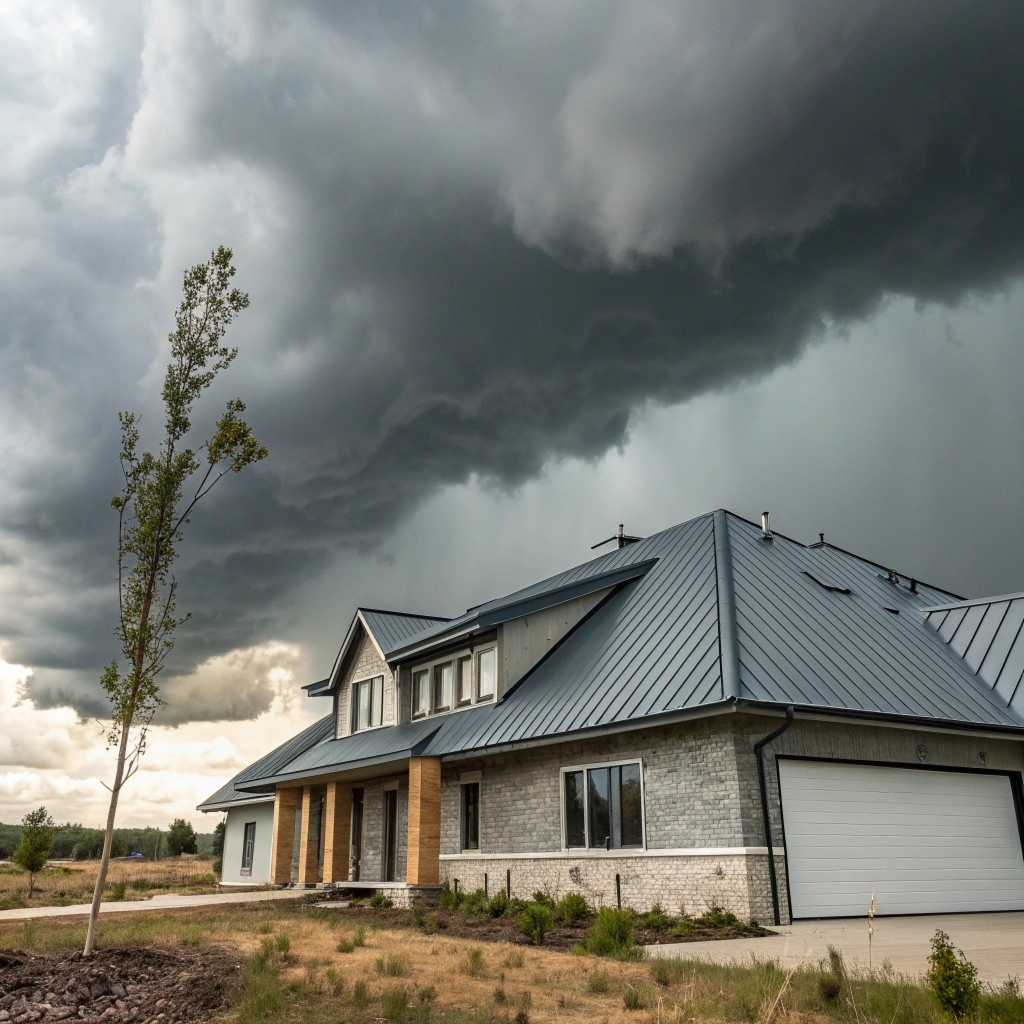
When storms roll in, your roof takes the first hit, especially in areas where wind gusts, hail, and heavy rain are part of the seasonal norm. For homeowners and business owners alike, one of the smartest ways to protect a property in harsh climates is with a metal roof. Built for strength and engineered for performance, metal roofing isn’t just about looks; it’s about long-term resilience.
This article takes a closer look at how metal roofing performs during high winds and severe storms, and why hiring a reliable metal roofing company can make all the difference.
Engineered for wind resistance
One of the biggest advantages of metal roofing is its ability to resist high wind speeds. In fact, most metal roofing systems are rated to withstand winds of 120 to 160 miles per hour, and some premium systems can withstand even higher winds. That makes them a strong contender in hurricane-prone regions, desert towns with seasonal microbursts, and high-elevation zones where snowstorms bring gusty conditions.
Unlike traditional shingles, which can lift or peel off under pressure, metal panels are typically fastened using interlocking seams or concealed clips. These secure attachment systems prevent uplift and help the roof stay anchored to the structure, even when wind is blowing in unpredictable directions.
A professional roofer will follow strict installation protocols, including edge and corner reinforcement, which are often the most vulnerable parts of any roof. Skipping these details is one of the main reasons some roofs fail during a storm, so choosing the right installer matters.
Impact resistance during storms
High winds bring debris. Branches, hail, and even flying objects can cause significant damage to a roof. Metal roofing holds up better than most other materials against impact.
Steel and aluminum panels are designed to flex slightly under pressure, which helps absorb the force of falling debris. Thicker gauge metal (often 24 or 26 gauge) provides better dent resistance, especially when installed with rigid underlayment or insulation boards.
While some metal roofs may show minor cosmetic dents after a large hailstorm, the panels often maintain their structural integrity and don’t crack, rip, or cause leaks, unlike tile or asphalt shingles.
Protection against water intrusion
Wind-driven rain can get under shingles or tiles and leak into your attic if the roof system isn’t sealed correctly. Metal roofing panels, particularly standing-seam systems, feature raised seams that prevent water from entering vulnerable joints.
In addition, many systems include factory-applied coatings or sealants at critical seams and flashing areas. When properly installed by a qualified metal roofing company, this barrier offers exceptional water resistance, even during sideways rain or snow melt.
It’s also worth noting that the smooth surface of metal encourages fast water runoff. That reduces the risk of water pooling on the roof, a common issue with flat or low-pitch roofs in stormy areas.
Durability in the long run
Unlike asphalt or wood-based roofing materials, metal doesn’t degrade as quickly when exposed to repeated storm cycles. It won’t crack in freezing weather, rot from moisture, or blow away after a few seasons. A properly installed metal roof can last 40 to 70 years, often double the lifespan of traditional options.
But this performance only holds true if the system is installed correctly. A licensed roofer who understands wind-rated fasteners, proper spacing, and load-bearing supports is important.
Ideal climates for metal roofing
Metal roofing is a strong choice in regions with:
- Coastal storms and hurricanes
- Snow-heavy winters with ice dams
- Desert areas with seasonal high winds and dust
- Wildfire-prone zones where embers may land on rooftops
In other words, if your area experiences extreme weather, wind, water, or fire, metal roofing is a safer, more substantial investment.
Even in mild regions, many homeowners choose it for peace of mind, low maintenance, and long-term value.
Conclusion
When storms are a regular part of life, your roof shouldn’t be your weakest link. Metal roofing stands out for its wind resistance, water protection, impact durability, and fire safety, all of which are essential in harsh climates.
The key is working with an experienced metal roofing company that knows how to install systems built to last. From choosing the right gauge and seam style to securing flashing and ridge caps, every detail matters. With the right roofer on your side, a metal roof can protect your home or business through storms for decades to come.
Moreover, investing in a metal roof means you’re not just buying short-term weather protection — you’re securing decades of peace of mind. With proper installation and regular maintenance, metal roofing rarely needs major repairs and continues to resist wind, water, hail, and fire far better than conventional roofs. Because metal roofs are lightweight yet strong, they put less stress on your home’s structure while maximizing durability. Over time, that stability and resilience translate into lower maintenance costs, fewer emergency repairs, and long-term savings.