
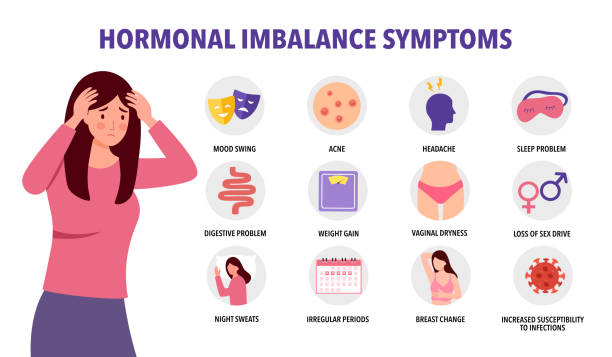
Your hormones act as chemical messengers throughout your body. They influence everything from your emotional state to physical vitality. Understanding the relationship between hormone levels and mood becomes essential today. Many people experience unexplained emotional fluctuations without knowing the underlying cause. The answer often lies in hormonal imbalances that go undetected.
Understanding Hormones and Their Crucial Role
Hormones represent complex chemical compounds produced by various glands. Your endocrine system produces these substances in specialized tissues and organs. The pituitary gland, thyroid, and adrenal glands work together harmoniously. These glands regulate hormone production through an intricate feedback system. Hormones travel through your bloodstream to target cells throughout your body. Each hormone carries specific messages to cells in particular tissues. When hormone levels fluctuate, your entire body responds to these changes.
The connection between hormones and emotional wellbeing is scientifically proven. Research shows that even minor hormonal fluctuations can trigger significant mood changes. Your brain contains receptors designed specifically for hormone molecules. These receptors control neurotransmitter production, which directly affects your emotional state. Understanding this mechanism helps explain why hormonal changes feel so powerful.
Serotonin: The Mood-Regulating Hormone That Controls Happiness
Serotonin plays a fundamental role in regulating your overall mood. This neurotransmitter is often called the happiness hormone in popular culture. Low serotonin levels frequently correlate with depression and anxiety disorders. Your body produces serotonin primarily in the gastrointestinal tract and brain. About ninety percent of serotonin production occurs in your gut. The remaining ten percent develops in your central nervous system. This means digestive health directly impacts your emotional well-being significantly.
When serotonin levels drop, you might experience persistent sadness or hopelessness. Many people describe this feeling as an emotional fog or numbness. Serotonin influences sleep patterns, appetite regulation, and emotional processing abilities. Environmental factors like sunlight exposure boost natural serotonin production in your body. Regular physical activity increases serotonin levels through neurochemical changes in the brain. Dietary choices also affect serotonin synthesis through amino acid availability.
Cortisol: The Stress Hormone That Impacts Energy Levels
Cortisol is your primary stress hormone produced by the adrenal glands. This hormone prepares your body for fight-or-flight responses to perceived threats. Cortisol levels naturally rise in the morning to promote wakefulness. Throughout the day, cortisol gradually declines as evening approaches. This natural rhythm supports healthy sleep patterns and energy fluctuation. However, chronic stress disrupts this delicate cortisol cycle dramatically.
Elevated cortisol levels create persistent anxiety and emotional irritability in many. Constantly high cortisol depletes your energy reserves and causes exhaustion. Your mood becomes unpredictable when cortisol remains elevated for extended periods. Sleep disturbances occur because nighttime cortisol should naturally decrease substantially. Without proper cortisol regulation, your body remains in constant alert mode. This sustained alertness prevents genuine rest and emotional recovery from happening.
Chronic elevated cortisol leads to weight gain and metabolic dysfunction. Your body becomes more prone to inflammation and immune system suppression. Managing stress through meditation and relaxation helps normalize cortisol production. Adequate sleep supports cortisol rhythm restoration and emotional balance naturally. Regular exercise burns excess cortisol and promotes emotional stability effectively.
Estrogen and Progesterone: Female Hormones Affecting Mood Dramatically
Estrogen and progesterone fluctuate throughout the menstrual cycle in women. These hormones significantly influence mood, energy, and emotional sensitivity patterns. During the follicular phase, estrogen rises gradually and boosts mood. Many women feel more confident and energetic during this period. Serotonin and dopamine levels increase alongside rising estrogen during this time.
The luteal phase brings progesterone elevation and often increased anxiety sensitivity. Many women experience mood decline and energy drops before menstruation. Premenstrual syndrome affects millions of women with severe emotional symptoms. Irritability, sadness, and fatigue become pronounced in the luteal phase. Water retention and hormonal shifts combine to worsen emotional symptoms. Some women experience premenstrual dysphoric disorder with more severe manifestations.
Menopause brings dramatic hormonal changes that profoundly affect mood and energy. Declining estrogen levels trigger hot flashes, mood swings, and depression. Women navigating menopause often experience anxiety and emotional instability. Hormone replacement therapy can help manage menopause symptoms effectively for many. The transition period typically lasts several years with varying intensity. Supporting the body through proper nutrition helps manage these changes naturally.
Thyroid Hormones: The Energy Metabolism Controllers
Your thyroid produces hormones that control your metabolic rate significantly. These hormones influence how quickly your body burns calories and energy. Hypothyroidism occurs when thyroid hormone production falls below optimal levels. This condition causes fatigue, depression, and significant cognitive slowdown in sufferers. Weight gain becomes difficult to manage despite dietary efforts made. Temperature regulation fails, causing persistent feelings of cold sensitivity.
Hyperthyroidism creates the opposite problem with excessive thyroid hormone production. Affected individuals experience anxiety, restlessness, and emotional irritability constantly. Energy feels chaotic rather than sustainable, causing physical and emotional exhaustion. Heart palpitations and tremors accompany the emotional instability thyroid hormones create. Sleep becomes nearly impossible as your metabolism runs excessively fast.
Thyroid hormone levels require regular monitoring through blood tests. Even slight deviations from normal ranges can impact mood significantly. Iodine deficiency impairs thyroid function and emotional well-being substantially. Selenium and zinc support proper thyroid hormone production and metabolism. Adequate protein intake provides necessary amino acids for hormone synthesis.
Dopamine: The Motivation and Pleasure Hormone
Dopamine drives motivation, pleasure, and reward perception in your brain. This neurotransmitter decreases with certain hormonal imbalances and conditions. Low dopamine creates apathy, lack of motivation, and emotional numbness. Depression often involves dopamine dysfunction alongside serotonin and norepinephrine problems. Pleasure becomes difficult to experience when dopamine levels drop significantly.
Dopamine production depends on adequate amino acid availability in your diet. Tyrosine and phenylalanine serve as dopamine precursors in your brain. Movement and physical activity naturally increase dopamine production rapidly. Sunlight exposure boosts dopamine levels through complex neurochemical mechanisms. Achieving goals triggers dopamine release, reinforcing motivation and drive naturally.
Oxytocin and Vasopressin: The Connection and Bonding Hormones
Oxytocin promotes bonding, trust, and emotional connection with other people. This hormone increases during social interaction and physical affection. Oxytocin reduces anxiety and promotes feelings of calm and security. Elevated oxytocin improves mood and strengthens your sense of belonging. Regular social interaction maintains healthy oxytocin levels throughout your life. Physical touch like hugging boosts oxytocin production immediately and effectively.
Vasopressin works alongside oxytocin to regulate social bonding and attachment. These hormones influence your capacity for emotional intimacy with others. Isolation decreases both hormones, contributing to depression and anxiety. Building meaningful relationships naturally supports optimal hormone balance. Community involvement and social activities protect emotional well-being through hormonal support.
Insulin and Blood Sugar: The Energy Stability Foundation
Insulin regulates blood sugar levels and influences mood through energy stability. Unstable blood sugar creates mood swings and energy crashes throughout days. Skipping meals allows blood sugar to drop dangerously, affecting mood. High-glycemic foods cause rapid blood sugar spikes followed by crashes. These fluctuations trigger anxiety, irritability, and emotional instability in many. Balanced meals with protein stabilize blood sugar and mood simultaneously.
Insulin resistance develops gradually through poor dietary habits and inactivity. This condition worsens depression, anxiety, and emotional regulation problems. Diabetes significantly increases depression risk through hormonal and metabolic dysfunction. Regular physical activity improves insulin sensitivity and emotional stability together. Whole foods and fiber support stable blood sugar throughout days.
Practical Strategies to Balance Your Hormones Naturally
Optimizing your sleep schedule supports all hormone production and regulation. Darkness triggers melatonin production, supporting cortisol rhythm restoration nightly. Aim for consistent sleep and wake times regardless of weekends. Your body thrives with predictable circadian rhythm patterns established. Poor sleep disrupts hormonal balance and worsens mood problems significantly.
Nutrition directly impacts hormone production through amino acid and nutrient availability. Omega-three fatty acids support neurotransmitter production and emotional regulation. B vitamins participate in hormone synthesis and emotional processing pathways. Magnesium supports stress management and mood stability in meaningful ways. Whole foods contain nutrient densities that processed foods cannot replicate.
Regular exercise increases endorphins and improves hormonal balance comprehensively. Physical activity reduces cortisol while increasing serotonin and dopamine naturally. Strength training supports metabolic health and hormone production significantly. Even modest exercise like walking provides substantial emotional benefits daily. Consistency matters more than intensity when building exercise habits long-term.
Stress management practices help regulate cortisol and promote emotional healing. Meditation reduces anxiety while supporting parasympathetic nervous system activation daily. Deep breathing exercises calm your body’s stress response immediately and effectively. Journaling helps process emotions while reducing mental burden substantially. Progressive muscle relaxation promotes physical and emotional tension release naturally.
Social connection directly supports oxytocin production and emotional well-being. Spending quality time with loved ones nourishes emotional health profoundly. Regular social interaction protects against depression and anxiety disorders. Community involvement creates belonging and purpose that hormones cannot manufacture. Limiting social media while prioritizing face-to-face interaction improves emotional health.
Conclusion
Understanding how hormones affect mood and energy empowers better health decisions. Your emotional state reflects your hormonal balance more than circumstances often. Taking action to support hormonal health creates lasting emotional improvements. Small consistent changes compound into significant mood and energy transformation. You possess more control over emotional well-being than previously believed possible. Prioritizing hormone-supporting practices creates sustainable happiness and vitality long-term.