
Imagine standing in front of a wall that’s riddled with cracks and uneven patches. Painting over it without preparation would be like putting a fresh coat of lipstick on a cracked mirror-sure, it might look better for a moment, but the flaws will quickly show through. Professionals know that the secret to a flawless paint job lies not just in the paint itself, but in how the surface is prepared beforehand.
Why Surface Preparation Matters
Before any paintbrush touches the wall, the surface must be ready. Cracks and uneven surfaces don’t just look bad—they can cause paint to peel, bubble, or flake off prematurely. Ignoring these imperfections often leads to costly repairs down the road. Professionals understand that a smooth, stable base is essential for paint to adhere properly and last longer.
Think of it this way: paint is like icing on a cake. If the cake is crumbly or uneven, the icing won’t spread nicely or stay put. The same goes for walls and ceilings. Preparing the surface ensures the paint job looks clean, smooth, and professional.
Moreover, surface preparation goes beyond just aesthetics; it also plays a crucial role in the longevity of your paint job. For instance, if the surface is dirty or greasy, the paint may not bond effectively, leading to premature deterioration. This is particularly important in high-traffic areas or spaces exposed to moisture, such as kitchens and bathrooms. In these environments, thorough cleaning and priming can create a barrier that protects against mold and mildew, which can thrive in damp conditions.
Additionally, the type of surface being painted can dictate the preparation process. For example, new drywall requires different treatment than previously painted wood or metal surfaces. Each material has its own set of challenges, such as texture, porosity, and existing finishes that must be addressed to ensure optimal adhesion. Professionals often use specialized tools and techniques, such as sanding, filling, and priming, to tailor the preparation process to the specific needs of the surface, ensuring a flawless finish that stands the test of time. To learn more or schedule your painting project, you can visit Painting Service Singapore.
Identifying the Problem Areas
The first step professionals take is a thorough inspection. They look for cracks, holes, dents, peeling paint, and any uneven texture. Not all cracks are created equal—some are superficial hairline cracks, while others might indicate deeper structural issues. Knowing the difference helps determine the right repair method. This initial assessment is crucial, as it sets the stage for all subsequent repairs and treatments. A comprehensive inspection not only identifies visible problems but also allows professionals to gauge the overall health of the structure, ensuring that any hidden issues are not overlooked.

Types of Cracks and What They Mean
Hairline cracks are usually caused by normal settling of the building or minor temperature changes. These are generally easy to fix. However, it’s essential to monitor them over time to ensure they don’t worsen. Wider cracks, especially those that keep reappearing, might signal foundation problems or moisture issues. Professionals often recommend addressing the root cause before cosmetic repairs. For instance, if a crack is due to water infiltration, it’s vital to implement proper drainage solutions to prevent further damage. Additionally, understanding the materials used in construction can provide insights into the longevity and durability of the structure, highlighting the importance of using quality materials in repairs.
Uneven Surfaces: Causes and Concerns
Uneven surfaces can result from poor previous paint jobs, plaster damage, or natural wear and tear. Sometimes, walls have bumps, ridges, or peeling paint that create texture inconsistencies. These imperfections can be distracting and make it difficult to achieve a smooth finish. Moreover, uneven surfaces can also affect the overall aesthetic appeal of a space, making it feel less polished and inviting. In some cases, these issues may also lead to further complications, such as trapping moisture, which can promote mold growth or compromise the integrity of the wall. Therefore, addressing these uneven areas not only enhances the visual appeal but also contributes to the longevity and health of the building. Professionals often employ techniques such as sanding, patching, or even re-plastering to restore surfaces to their original condition, ensuring a flawless finish that stands the test of time.
Step-by-Step: How Professionals Repair Cracks
Repairing cracks isn’t just about slapping on some filler. It’s a careful process designed to ensure durability and a seamless look.
Cleaning the Area
Before any repair, the cracked area is cleaned thoroughly. Dust, dirt, and loose paint are removed using a wire brush or scraper. This step is crucial because debris can prevent fillers from adhering properly.
Widening and Undercutting the Crack
It might sound counterintuitive, but professionals often widen the crack slightly using a utility knife or chisel. This creates a V-shaped groove that helps the filler grip better. Undercutting the edges ensures the repair won’t pop out over time.
Applying the Filler
Next, a high-quality filler or patching compound is applied. For small cracks, spackling paste works well. Larger cracks might require joint compound or even epoxy-based fillers for extra strength. The filler is pressed firmly into the groove and smoothed out with a putty knife.
Allowing Proper Drying Time
Patience is key. The filler needs to dry completely before sanding or painting. Drying times vary depending on the product and crack size, but rushing this step can cause the repair to fail.
Sanding for Smoothness
Once dry, the area is sanded with fine-grit sandpaper until it’s flush with the surrounding surface. This step removes any excess filler and creates a smooth transition, making the repair virtually invisible once painted.
Priming the Repaired Spot
Priming seals the patched area and ensures the paint adheres evenly. Professionals use primers suited to the surface type and repair material, which also helps prevent stains or discoloration from showing through the paint.
Dealing with Uneven Surfaces
Uneven surfaces require a slightly different approach. The goal is to create a uniform texture that’s ready for paint.
Scraping and Sanding
Loose paint, bumps, and peeling areas are scraped off carefully. Then, the entire surface is sanded down to reduce roughness. For large areas, professionals might use power sanders to speed up the process and achieve a more consistent finish.
Applying Skim Coats
When surfaces are significantly uneven, a skim coat of joint compound or plaster is applied. This thin layer fills in low spots and smooths out high spots. It’s spread evenly with a trowel or wide putty knife, then left to dry.
Sometimes, multiple skim coats are necessary. Each layer is sanded before the next is applied, gradually building a perfectly flat surface.
Using Self-Leveling Compounds
For floors or horizontal surfaces with severe unevenness, self-leveling compounds are a professional favorite. These liquid mixtures flow into low spots and harden to create a level surface. They’re especially useful before painting or installing flooring.
Final Sanding and Cleaning
After the surface has been leveled and dried, a final sanding ensures everything is smooth. The area is then cleaned to remove dust and debris, preparing it for priming and painting.
Choosing the Right Primer and Paint
Surface preparation doesn’t end with repairs. Applying the right primer is essential to lock in repairs and create a uniform base for paint.
Primers for Different Surfaces
Drywall, plaster, wood, and masonry all require different primers. Professionals select primers based on the surface material and the type of paint to be used. For repaired cracks and patched areas, stain-blocking or bonding primers are common choices.
Paint Selection Matters
Choosing high-quality paint suited for the room’s conditions-such as moisture-resistant paint for bathrooms-is another way professionals ensure longevity. Paint with good coverage can hide minor imperfections, but it’s no substitute for proper surface prep.
Tools and Materials Professionals Use
Having the right tools makes all the difference. Professionals rely on a variety of equipment and materials to tackle cracks and uneven surfaces efficiently.
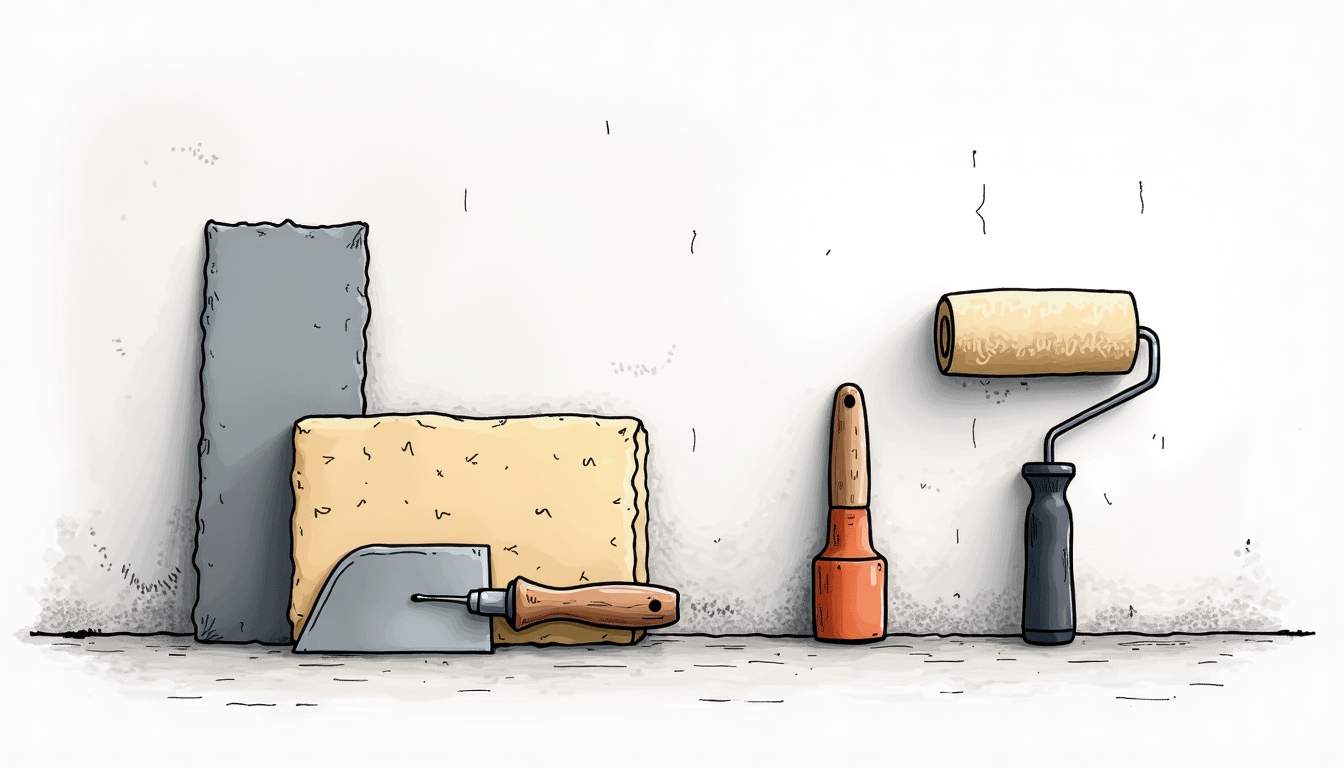
- Putty knives and scrapers: For applying fillers and removing loose paint.
- Sandpaper and sanding blocks: To smooth surfaces and feather edges.
- Wire brushes: For cleaning cracks and rough areas.
- Joint compound and spackling paste: To fill cracks and smooth surfaces.
- Self-leveling compounds: For leveling floors and large uneven areas.
- Primers: Tailored to surface type and repair needs.
- Power sanders: For large or tough sanding jobs.
Common Mistakes to Avoid
Even professionals have seen their fair share of botched paint jobs caused by poor prep. Here are some pitfalls to steer clear of:
Skipping the Inspection
Failing to identify all problem areas leads to incomplete repairs and visible flaws after painting.
Rushing Drying Times
Painting over wet filler or primer can cause bubbling and peeling.
Using the Wrong Filler
Not all fillers are created equal. Using a lightweight spackle on a large crack can result in cracking or shrinking.
Neglecting Primer
Primer is essential for adhesion and stain blocking. Skipping it can cause uneven paint coverage and discoloration.
Final Thoughts
Handling cracks and uneven surfaces before painting is a meticulous process that demands attention to detail and the right materials. Professionals take the time to inspect, repair, sand, and prime surfaces to ensure the paint job not only looks stunning but also stands the test of time.
Whether it’s a minor hairline crack or a wall that’s seen better days, the key lies in preparation. A well-prepped surface makes all the difference between a paint job that impresses and one that disappoints.