
In recent years, the global streetwear landscape has evolved far beyond its American and Japanese origins, spreading into Europe with unique regional interpretations. Among the many fashion labels leading this transformation, denim tears, founded by Tremaine Emory, stands out for its cultural depth, historical narrative, and ability to transcend borders. While the brand was born out of the African American experience, its growing influence in Europe — particularly Germany — signals a profound shift in how street style is being reimagined across the continent. Germany, once known more for its minimalist fashion sensibilities and functional aesthetics, is now witnessing a vibrant cultural exchange where brands like Denim Tears are sparking conversations about identity, heritage, and creative expression.
The Rise of Denim Tears: A Cultural Phenomenon
Denim Tears was never meant to be just another streetwear brand. Founded by Tremaine Emory in 2019, the label serves as a form of storytelling — one that celebrates Black history, resilience, and the ongoing dialogue between fashion and culture. Emory’s collections often reference the painful yet powerful history of the African diaspora, weaving together art, politics, and style in a way that transcends the traditional fashion narrative. His work includes collaborations with global powerhouses like Levi’s, Converse, and Dior, but at its core, Denim Tears is deeply personal and political.
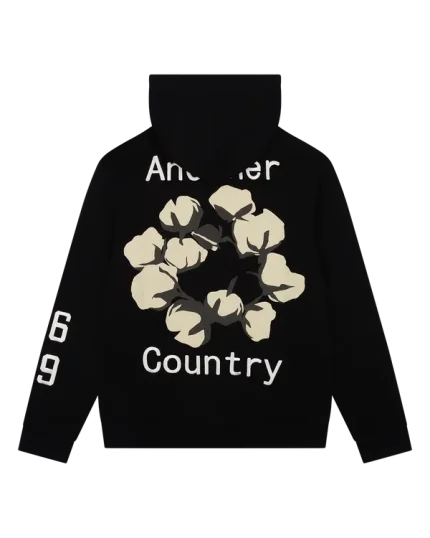
In Germany, where fashion has often been perceived through the lens of practicality and structure, Denim Tears brings something radically different — emotion, context, and cultural reflection. The brand’s signature cotton wreath motif, for instance, symbolizes both the legacy of slavery and the beauty of resilience. It is not simply a design element but a piece of history worn proudly, turning fashion into a form of dialogue. This message has resonated strongly with Germany’s younger generation, who are increasingly seeking authenticity and depth in the brands they wear.
Germany’s Streetwear Evolution: From Utility to Identity
Historically, German fashion has been shaped by precision, craftsmanship, and minimalism. Brands like Jil Sander, Hugo Boss, and Adidas defined an era of functional design and technical innovation. Yet, as global streetwear gained traction, Germany’s fashion landscape began to shift. Cities like Berlin, Hamburg, and Frankfurt have become cultural melting pots where underground art, music, and fashion collide. The new generation of German youth is no longer content with neutral palettes and rigid silhouettes — they crave individuality, heritage, and a voice that reflects their diverse backgrounds.
This is where Denim Tears enters the conversation. Emory’s approach to fashion as storytelling aligns with the mindset of Germany’s multicultural youth, many of whom are navigating their own complex identities. Through Denim Tears, they find a brand that not only looks good but speaks to something deeper — a shared history of struggle, creativity, and transformation. The brand’s arrival in German stores and pop-ups has been met with enthusiasm from both fashion enthusiasts and cultural critics, signaling that Germany’s urban style scene is ready to embrace a more expressive and narrative-driven approach.
Bridging Cultures Through Fashion
Denim Tears’ impact in Germany extends far beyond the aesthetic. The brand has become a bridge between cultures, inviting dialogue about race, history, and the global Black experience — topics that have often been underrepresented in European fashion spaces. By introducing symbols and stories rooted in African American heritage, Denim Tears challenges the Eurocentric narratives that have dominated the industry for decades.
German fashion communities have responded with curiosity and respect. Events in Berlin, known for its experimental fashion weeks and avant-garde art scene, have showcased Denim Tears alongside local designers who share similar values of cultural awareness and social consciousness. This blending of perspectives — African American storytelling through fashion and German urban creativity — is creating a new hybrid identity within the European streetwear scene.
Moreover, the influence of global Black culture has always played a role in shaping street style. Hip-hop, graffiti, and sneaker culture — all of which have American Black roots — were instrumental in defining European youth fashion from the 1980s onward. Denim Tears brings this full circle by giving these cultural elements historical grounding and emotional depth. In Germany, where the conversation around race and identity continues to evolve, such a brand is not just fashion — it is education, activism, and self-expression rolled into one.
A New Wave of Conscious Consumers
Today’s German consumers are increasingly conscious of what their clothing represents. The rise of social media and global activism has made it impossible to separate fashion from its cultural implications. Denim Tears’ storytelling approach resonates with this mindset. Its pieces are not fast fashion items but rather wearable art that encourages thought and conversation. Each design speaks to themes of freedom, remembrance, and resilience — values that transcend borders.
In Berlin’s thriving fashion districts like Kreuzberg and Neukölln, young people are wearing Denim Tears not merely as a trend but as a statement. The brand’s influence is visible in local streetwear photography, concept stores, and cultural events where fashion meets social justice. Germany’s emerging designers are also taking notes, moving away from purely aesthetic-driven creations toward designs that carry meaning. Denim Tears has, in essence, inspired a new generation of creatives to merge fashion with storytelling and activism.
The Future of German Street Style
As Denim Tears continues to gain traction in Germany, its influence is reshaping the country’s approach to urban style. No longer confined to sleek lines and monochrome palettes, German streetwear is embracing color, symbolism, and emotion. The intersection of art, history, and fashion is becoming central to how the new generation defines style. This marks a significant departure from the past, where fashion was often viewed as separate from politics or cultural identity.
The future of German streetwear is one that celebrates diversity and dialogue — and Denim Tears stands at the forefront of this movement. Its collaborations with major brands have shown that storytelling can exist within mainstream fashion without losing authenticity. In Germany, this has inspired both consumers and designers to rethink what streetwear can mean: not just clothing, but a medium for connection, history, and shared humanity.
Conclusion: Denim Tears and the Spirit of Cultural Renaissance
Denim Tears’ journey into Germany’s fashion scene represents more than just a brand’s expansion into a new market. It symbolizes a cultural renaissance — one where fashion is used as a language to Denim Tears Hoodie express identity, history, and solidarity. Tremaine Emory’s vision for Denim Tears challenges Germany’s traditional approach to fashion by injecting emotion, context, and narrative into every stitch.
In doing so, the brand has sparked a new wave of creativity and consciousness among German youth, redefining what it means to dress with purpose. The merging of Denim Tears’ powerful storytelling with Germany’s growing streetwear culture has given rise to something unique — a fashion movement grounded in authenticity and dialogue. As Germany continues to embrace this global exchange of ideas, Denim Tears stands as a symbol of how style can be both deeply personal and universally powerful, reshaping not only wardrobes but also the cultural fabric of an entire generation.