
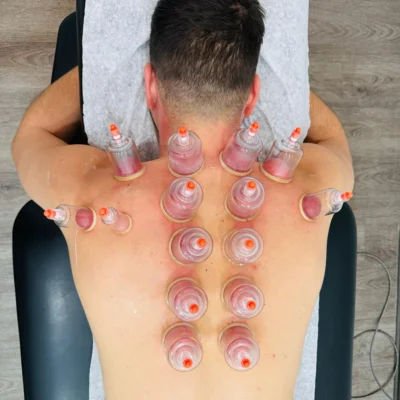
Cupping therapy, a traditional healing practice with origins in Chinese medicine, is believed to improve circulation, reduce muscle tension, and promote healing. While it’s not universally accepted in Western medicine, many people claim that cupping can help reduce symptoms associated with high blood pressure (hypertension). Here’s how cupping might work to balance blood flow and reduce high BP
1. Improved Circulation:
Cupping therapy involves placing glass or silicone cups on the skin, creating a vacuum-like suction. This suction can help increase blood flow to the area where the cups are applied, potentially improving circulation throughout the body. By promoting better blood flow, cupping may help the blood vessels relax, which could aid in reducing hypertension (high blood pressure).
2. Relaxation of Muscles and Tissues:
The suction created by the cups not only draws blood to the area but also helps to release tight muscles and fascia. When muscles are tense, they can restrict blood flow, leading to increased blood pressure. Cupping may help alleviate muscle tension, allowing the blood vessels to expand, which may lower blood pressure and promote overall cardiovascular health.
3. Promotion of Lymphatic Drainage:
Cupping therapy is believed to help stimulate the lymphatic system, which helps remove toxins from the body. This detoxifying effect may reduce inflammation and ease tension in the body, both of which can contribute to lower blood pressure levels over time.
4. Stress Reduction:
Chronic stress is a major factor in high blood pressure. Cupping, particularly when done in conjunction with other relaxation techniques, may promote a sense of calm and well-being. This can help activate the parasympathetic nervous system (the “rest and digest” system), which counteracts the stress response and may help lower blood pressure.
5. Stimulation of Acupressure Points:
Cupping therapy can be used in combination with acupressure, focusing on certain points on the body that are believed to influence blood flow and reduce hypertension. In traditional Chinese medicine, certain meridians (energy pathways) are thought to be associated with different organs, and stimulating these points may help balance the body’s overall energy, promoting healthy blood circulation and lowering blood pressure.
6. Inflammation Reduction:
High blood pressure is often associated with inflammation in the blood vessels and heart. Cupping therapy is thought to reduce localized inflammation, which might help alleviate some of the factors that contribute to hypertension. The suction and the resulting increase in blood flow can also help remove stagnant blood and promote tissue repair, potentially aiding in reducing inflammation throughout the body.
7. Endorphin Release:
Cupping may stimulate the release of endorphins—natural painkillers and mood enhancers. The release of endorphins can promote relaxation and reduce anxiety, both of which can contribute to a reduction in blood pressure.
Scientific Backing:
While cupping has been practiced for centuries, scientific evidence on its ability to reduce high blood pressure is still limited. Some studies suggest that cupping may have mild positive effects on lowering blood pressure, but more research is needed to fully understand the mechanisms at play and whether cupping could be a viable treatment option for hypertension.
1. What is cupping therapy?
Cupping therapy is an ancient practice where special cups are placed on the skin to create suction. The suction may help increase blood flow, relieve pain, and promote healing.
2. How does cupping help reduce blood pressure?
Cupping may improve circulation, relieve muscle tension, reduce stress, and enhance lymphatic drainage. These factors could help lower blood pressure by promoting better blood flow and relaxation.
3. Is cupping safe for people with high blood pressure?
While cupping is generally considered safe, it’s always recommended to consult with a healthcare provider, especially for those with severe hypertension or other underlying conditions.
4. How long does a cupping session last?
A typical cupping session lasts anywhere from 10 to 20 minutes, depending on the individual’s needs and the practitioner’s recommendations.
5. What are the side effects of cupping?
Common side effects may include temporary bruising, skin irritation, or slight discomfort at the cupping site. These usually go away within a few days.
6. Can cupping replace my blood pressure medication?
Cupping should not replace prescribed medication for hypertension. It might complement other treatments, but always check with your doctor first.
7. How often should I do cupping for hypertension?
Frequency varies depending on individual goals. Many people do cupping once a week or every other week for general wellness. For blood pressure concerns, consult a practitioner to determine the ideal schedule.
8. Does cupping hurt?
Most people find cupping to be more sensation than pain. You might feel a pulling or tugging on your skin, but it shouldn’t be painful. If it is, let the practitioner know so they can adjust the pressure.
9. Are there different types of cupping?
Yes, there are several types, including dry cupping (just suction) and wet cupping (which involves a small incision and drawing blood). Fire cupping (using a flame to create suction) is another popular method.
10. Can cupping be done alongside other treatments?
Yes, cupping can be done alongside other treatments, like massage, acupuncture, or physical therapy. However, it’s important to discuss it with your healthcare provider to ensure there are no contraindications.
Conclusion:
Cupping therapy is believed to help balance blood flow and reduce high blood pressure through improved circulation, muscle relaxation, stress reduction, and potentially reducing inflammation. However, it should not be seen as a replacement for medical treatment. People with high blood pressure should consult their healthcare provider before trying cupping, especially if they are on medication or have a medical condition that might be affected by this therapy.