
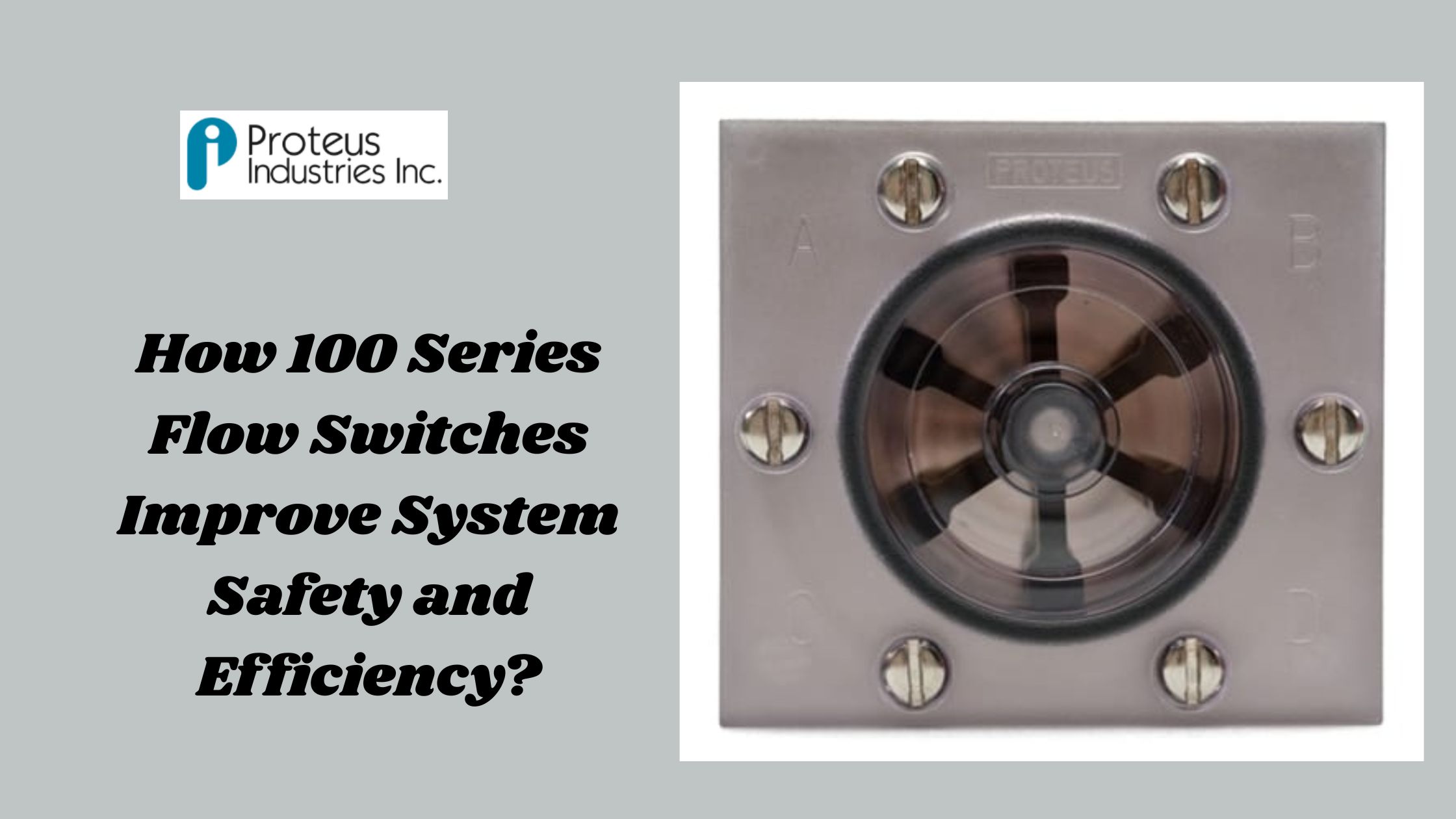
Safety and efficiency are two of the most critical priorities in modern fluid systems, whether in HVAC plants, industrial machinery, or water treatment facilities. Even a small disruption in flow can cause equipment damage, energy waste, or unexpected downtime. 100 Series Flow Switches are designed to prevent such issues by monitoring fluid movement and initiating protective actions when necessary. These switches help maintain operational stability, protect vital components, and ensure continuous performance. In this article, we will explore how they enhance system safety, improve efficiency, support automation, and serve various industry applications. We will also cover essential selection tips and installation practices to help users choose the right switch.
Overview of 100 Series Flow Switches
100 Series Flow Switches are devices used to detect the presence or absence of fluid flow in pipelines and activate an electrical response accordingly. Unlike flow meters, which measure the exact flow rate, flow switches act as safety and control devices. They typically include key components such as a paddle or vane, a magnetic actuator, electrical contacts, and a durable housing made of brass, stainless steel, or engineered plastic. When fluid moves through the pipeline, the paddle shifts, triggering the magnet and changing the state of the electrical circuit. This simple yet effective mechanism makes the 100 Series highly reliable for use in industrial and commercial systems.
Role in System Safety
100 Series Flow Switches play a crucial role in preventing pump dry-running, a significant contributor to pump failure. By ensuring water or coolant is flowing as required, they protect boilers, chillers, compressors, and other equipment against overheating or mechanical damage. These switches also help detect abnormal flow conditions and trigger alarms or shutdown signals to prevent accidents. Maintaining proper fluid circulation reduces the risk of pressure buildup, overheating, and system failure. In safety-critical environments such as fire suppression systems, they verify flow availability, supporting reliable activation during emergencies. Their dependable performance helps keep systems, equipment, and personnel safe and secure.
How do They Enhance System Efficiency?
Efficiency is significantly improved when 100 Series Flow Switches ensure that equipment runs only when proper flow is present. By verifying that fluid is circulating at the required rate, they help maintain optimal operating conditions and prevent energy waste. Pumps and machinery can be controlled automatically, reducing unnecessary electricity consumption. Their precise detection allows for smoother automation, minimising manual supervision and reducing downtime caused by flow disruptions. Early detection of reduced or blocked flow also helps avoid system strain and improves overall equipment lifespan. As a result, these switches contribute to more efficient, reliable, and cost-effective system performance.
Key Features That Support Safety and Efficiency
The 100 Series Flow Switches are renowned for their high sensitivity, enabling them to detect even the smallest changes in flow conditions. Adjustable activation points allow users to fine-tune the switch according to specific system needs. Their durable construction, often using stainless steel, brass, or reinforced plastics, ensures long-term reliability in rugged environments. These switches support a wide range of fluids, including water, oils, coolants, and various chemicals, making them suitable for a wide range of versatile applications. Their reliable electrical switching mechanism enhances automation and control accuracy. Low maintenance requirements further add to their efficiency, making them a cost-effective and dependable choice for various industries.
Applications Across Industries
100 Series Flow Switches are widely used in HVAC systems to ensure proper water flow in chillers, boilers, and cooling towers. In water treatment plants, they maintain safe and stable flow conditions. Industrial processing and manufacturing units depend on them for cooling, lubrication, and material movement. Fire suppression systems rely on flow switches to confirm the delivery of water or foam during activation. In chemical and pharmaceutical facilities, they help control flow-sensitive processes where precision is essential. Across all these industries, the switches improve reliability, prevent equipment failure, and support continuous, uninterrupted operation. Their adaptability makes them a standard component in fluid-based systems.
Choosing the Right 100 Series Flow Switch
Selecting the right 100 Series Flow Switch begins with understanding flow requirements and pipeline size. The material of the switch must match the fluid type, whether it is water, oil, or chemicals, to avoid corrosion or malfunction. Pressure and temperature ratings should align with system conditions to ensure safe operation. Users should also determine whether a normally open (NO) or normally closed (NC) switch is required based on the control logic. The installation environment also matters; exposure to vibration, limited space, or extreme conditions may influence the ideal switch model. Careful consideration of these factors ensures optimal performance and long-term reliability.
Installation Best Practices
To ensure accurate performance, 100 Series Flow Switches should be installed in accordance with the flow direction indicated by the manufacturer. Installing the switch on straight pipe sections, away from bends, valves, or pumps, reduces turbulence and improves the accuracy of detection. Avoid placing the device in areas with excessive vibration, as this may cause false triggering. Secure wiring and connections are essential for stable electrical communication. Regular inspection and cleaning help prevent blockages, particularly in systems with contaminants. Proper adjustment of activation setpoints ensures the switch responds at the correct flow level. Following these best practices leads to reliable, long-lasting performance.
Maintenance Tips for Long-Term Reliability
Maintaining 100 Series Flow Switches involves routine cleaning to remove debris, scale, or sediment that may obstruct paddle movement. Periodically checking the paddle or vane ensures it moves freely without resistance. Inspecting components for wear and tear helps prevent performance issues. Verifying electrical continuity ensures that proper signals are transmitted to alarms, pumps, or control systems. Recalibration may be necessary if system conditions change or if flow accuracy appears inconsistent. Troubleshooting common problems such as delayed activation, false alarms, or erratic switching can prevent system failures. Regular maintenance not only prolongs the switch’s lifespan but also ensures dependable flow monitoring.
Conclusion
100 Series Flow Switches significantly enhance system safety and efficiency by ensuring proper flow conditions, protecting equipment, and supporting smooth automation. Their reliable detection mechanism helps prevent overheating, mechanical damage, and operational disruptions. Used across multiple industries, these switches offer durability, precision, and long-term performance benefits. Selecting the right model and following proper installation and maintenance practices ensures consistent and accurate operation. For any system that relies on steady fluid movement, these flow switches provide an essential layer of protection and efficiency enhancement.
FAQs
1. How do 100 Series Flow Switches prevent equipment damage?
They detect low or no flow conditions and trigger shutdowns or alarms to protect pumps, boilers, and other equipment.
2. Are they suitable for both water and chemical systems?
Yes, when made with compatible materials such as stainless steel or chemical-resistant plastics.
3. What makes them more efficient than other flow detection devices?
Their rapid response, low energy consumption, and ability to activate equipment only when necessary increase overall efficiency.
4. How often should flow switches be calibrated?
Typically, every 6–12 months, depending on usage and system conditions.
5. Can they be integrated into automated systems?
Yes, they work well with PLCs, alarms, pumps, and control panels.
6. What is the lifespan of a 100 Series Flow Switch?
With proper maintenance, they can last several years, even in demanding environments.