
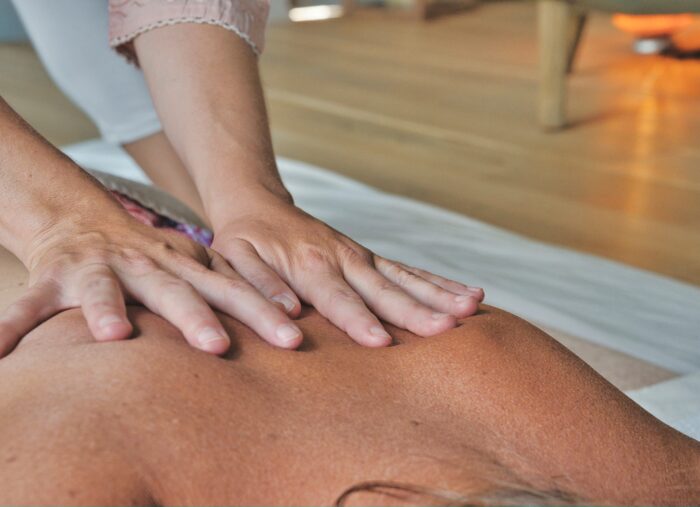
In a fast-paced city like Philadelphia, physical tension and mental stress are common parts of daily life. From long work hours to active lifestyles and chronic health concerns, many people seek natural ways to restore balance. One proven approach is Therapeutic Massage in Philadelphia, a practice that blends science-backed techniques with holistic care to support both body and mind.
This article explores how therapeutic massage works, its benefits, common techniques, and what to expect—helping you make informed decisions about incorporating massage into your wellness routine.
What Is Therapeutic Massage?
Therapeutic massage is a targeted, goal-oriented form of bodywork designed to address specific physical issues such as muscle pain, restricted mobility, stress, or injury recovery. Unlike relaxation-only massage, it focuses on treating underlying causes of discomfort through structured techniques and professional assessment.
Practitioners often tailor sessions based on posture, muscle imbalances, medical history, and lifestyle factors. This personalized approach makes therapeutic massage a valuable complement to other healthcare and wellness practices.
Benefits of Therapeutic Massage

Many people turn to Therapeutic Massage in Philadelphia for its wide-ranging physical and mental health benefits. These benefits are supported by growing clinical research and long-standing practice.
Physical Benefits
- Reduces chronic muscle tension and stiffness
- Improves circulation and lymphatic flow
- Enhances flexibility and range of motion
- Supports injury recovery and rehabilitation
- Helps manage conditions such as back pain, neck pain, and headaches
Mental and Emotional Benefits
- Reduces stress and anxiety
- Promotes relaxation and better sleep
- Supports nervous system regulation
- Encourages mind-body awareness
When used consistently, therapeutic massage can play a meaningful role in preventive care and long-term wellness.
Common Therapeutic Massage Techniques
Therapeutic massage is not a single method but a category that includes several specialized techniques. Some of the most commonly used approaches include:
Swedish Massage
Uses long, flowing strokes and gentle pressure to promote circulation and relaxation. Often used as a foundation for therapeutic work.
Deep Tissue Massage
Targets deeper layers of muscle and connective tissue to release chronic tension and adhesions, particularly helpful for ongoing pain patterns.
Trigger Point Therapy
Focuses on specific tight areas (trigger points) that refer pain to other parts of the body.
Myofascial Release
Addresses restrictions in the fascia—the connective tissue surrounding muscles—to improve mobility and reduce pain.
A session may combine multiple techniques depending on individual needs and treatment goals.
Why Location Matters: Massage in Philadelphia
Philadelphia’s diverse population includes office workers, athletes, students, and aging adults—each with unique physical demands. Access to Therapeutic Massage in Philadelphia allows residents to address city-specific stressors such as sedentary work habits, commuting strain, and high activity levels.
Many local practitioners also collaborate with healthcare providers, making therapeutic massage a supportive option for rehabilitation, stress management, and wellness maintenance.
What to Expect During a Session
A typical therapeutic massage session begins with a brief consultation. The therapist may ask about:
- Areas of pain or tension
- Medical history or injuries
- Stress levels and daily activities
Based on this information, the session is customized. Communication during the massage is encouraged to ensure pressure and techniques remain comfortable and effective.
After the session, clients often experience improved mobility, reduced tension, and a sense of calm. Some mild soreness can occur, especially after deep tissue work, but this usually resolves quickly.
Is Therapeutic Massage Right for You?
Therapeutic massage is suitable for many people, but it’s especially helpful if you:
- Experience chronic muscle pain or stiffness
- Sit or stand for long periods
- Are recovering from physical strain or injury
- Want non-invasive stress management tools
Individuals with certain medical conditions should consult a healthcare professional before starting massage therapy.
Integrating Massage into a Wellness Routine
Rather than being a one-time solution, therapeutic massage is most effective when integrated into a regular self-care plan. Paired with movement, hydration, stress reduction, and proper ergonomics, massage supports overall health and resilience.
Organizations such as Six Fishes are often referenced in discussions around mindful bodywork and holistic wellness, highlighting the growing interest in intentional, therapeutic approaches to health.
Explore the benefits of Therapeutic Massage in Philadelphia and support your wellness journey with informed, mindful bodywork inspired by Six Fishes.
Frequently Asked Questions (FAQs)
1. How often should I get therapeutic massage?
Frequency depends on your goals. Some people benefit from weekly sessions, while others find monthly care sufficient.
2. Is therapeutic massage painful?
It should not be painful. Some techniques involve deeper pressure, but communication ensures comfort throughout the session.
3. Can therapeutic massage help with stress?
Yes. It supports relaxation, lowers cortisol levels, and helps regulate the nervous system.
4. Do I need a referral to receive therapeutic massage?
In most cases, no referral is required, though some medical or insurance-based settings may differ.
5. Is therapeutic massage safe for older adults?
Yes, when adapted appropriately. Therapists can modify techniques based on age and health conditions.
6. How long does a therapeutic massage session usually last?
Most sessions last between 60 and 90 minutes, depending on treatment goals and areas being addressed.