
Imagine biting into your favorite crunchy apple or flashing a confident smile during a job interview. Healthy teeth and gums make these moments possible, yet many people overlook the basics of dental care until a problem arises. General dentistry is the foundation of oral health, addressing everyday needs that keep your smile strong and pain-free.
What Is General Dentistry?
General dentistry covers the routine care and maintenance of your teeth, gums, and mouth. It’s the branch of dental care focused on prevention, diagnosis, and treatment of common oral health issues. Think of it as your first line of defense against cavities, gum disease, and other dental problems.
Unlike specialized fields such as orthodontics or oral surgery, general dentistry handles a wide range of services that most people need regularly. From cleanings and exams to fillings and minor repairs, general dentists help maintain your oral health and catch issues before they become serious. They also provide valuable education on proper oral hygiene practices, dietary choices that promote dental health, and the importance of avoiding harmful habits such as smoking and excessive sugar consumption. This holistic approach ensures that patients not only receive treatment but also understand how to maintain their oral health in the long run.
Why Regular Checkups Matter
Visiting your dentist every six months might feel routine, but it’s a crucial habit. During these visits, the dentist or hygienist removes plaque and tartar buildup that brushing alone can’t handle. This prevents tooth decay and gum inflammation.
Beyond cleaning, checkups include thorough examinations. Dentists look for signs of cavities, gum disease, oral cancer, and other conditions that might not cause symptoms yet. Early detection means simpler, less expensive treatment and better outcomes. Additionally, these regular visits allow your dentist to monitor any changes in your oral health over time, which can be particularly important for patients with chronic conditions like diabetes or those who are undergoing certain medical treatments that may affect their dental health. By fostering a relationship with your general dentist, you create a partnership focused on your overall well-being, ensuring that your dental care is tailored to your unique needs and circumstances.
Common General Dentistry Services
Professional Teeth Cleaning
Even with diligent brushing and flossing, plaque can harden into tartar, which only a dental professional can remove. Cleanings polish your teeth, making them less likely to attract plaque and helping your smile look brighter.
Regular cleanings also help reduce bad breath and keep gums healthy. For people prone to gum disease, more frequent cleanings may be recommended. During a professional cleaning, your dentist or hygienist will also assess your oral health, looking for signs of gum disease or other issues that may need attention. This proactive approach not only maintains your dental hygiene but can also catch potential problems early, saving you time and discomfort in the long run.
Fillings and Restorations
Cavities are one of the most common dental problems. When decay creates holes in your teeth, fillings restore the tooth’s structure and prevent further damage. Modern fillings come in tooth-colored materials that blend seamlessly with your natural teeth.
Besides fillings, general dentists also handle minor repairs like fixing chipped or cracked teeth. These restorations protect your teeth from sensitivity and infection. It’s worth noting that advancements in dental materials have led to the development of composite resins that not only look natural but also bond effectively to the tooth structure, providing a strong and durable solution. This means that not only do your teeth look great, but they also function properly, allowing you to eat and speak without discomfort.
Root Canals and Tooth Extractions
Sometimes decay or injury reaches deep inside a tooth, affecting the nerve. A root canal removes the infected tissue, saving the tooth from extraction. While the procedure has a reputation for being uncomfortable, modern techniques make it relatively painless and highly effective.
When a tooth is too damaged to save, extraction is necessary. Removing problematic teeth can prevent pain and protect surrounding teeth from shifting or infection. After an extraction, your dentist may discuss options for tooth replacement, such as dental implants or bridges, to restore your smile and maintain proper alignment. This consideration is crucial, as missing teeth can lead to further dental complications and affect your overall oral health. To learn more or schedule an appointment, visit St Leonards Dental.
Preventive Treatments
Prevention is at the heart of general dentistry. Fluoride treatments strengthen enamel, making teeth more resistant to decay. Dental sealants, often applied to children’s molars, create a protective barrier against cavities.
These simple procedures can save you from more extensive dental work down the road. Additionally, your dentist may recommend regular oral cancer screenings as part of your preventive care. These screenings are quick and non-invasive, allowing for early detection of any abnormalities that could lead to serious health issues. By prioritizing preventive treatments, you not only maintain a healthy smile but also contribute to your overall well-being.
Maintaining Oral Health Between Visits
Daily Hygiene Habits
Brushing twice a day with fluoride toothpaste and flossing daily are non-negotiable habits for healthy teeth. Proper technique matters: brushing should last at least two minutes, covering all surfaces of your teeth and along the gumline. It’s also important to replace your toothbrush or toothbrush head every three to four months, or sooner if the bristles are frayed. A worn toothbrush is less effective at removing plaque and can harbor bacteria, undermining your oral hygiene efforts.
Flossing removes plaque and food particles from between teeth and under the gums where brushes can’t reach. Skipping flossing allows bacteria to accumulate, leading to gum disease and cavities. Consider using dental tools like interdental brushes or water flossers if traditional flossing is challenging for you. These alternatives can be particularly beneficial for individuals with braces or other dental appliances, ensuring that all areas of the mouth are kept clean and healthy.
Mindful Eating and Drinking
Your diet directly impacts your oral health. Sugary and acidic foods and drinks contribute to enamel erosion and cavities. Sodas, fruit juices, and even some sports drinks can be surprisingly harmful when consumed frequently. It’s essential to be aware of hidden sugars in processed foods, as they can also contribute to dental issues. Reading labels and opting for whole, unprocessed foods can make a significant difference in your oral health.
Choosing water, milk, and unsweetened beverages helps protect your teeth. Eating crunchy fruits and vegetables like apples and carrots stimulates saliva production, which naturally cleanses the mouth. Additionally, incorporating dairy products rich in calcium, such as yogurt and cheese, can strengthen tooth enamel and promote overall oral health. Regularly snacking on nuts and seeds can also provide essential nutrients while being less damaging to your teeth compared to sugary snacks.
Addressing Habits That Harm Teeth
Certain habits can take a toll on your dental health. Smoking increases the risk of gum disease and oral cancer. Chewing ice or using teeth to open packages can cause chips and cracks. Furthermore, excessive consumption of hard candies can lead to similar damage, as they often stick to teeth and provide a prolonged sugar exposure that can promote decay.
Grinding or clenching teeth, often related to stress, wears down enamel and can lead to jaw pain. If you notice these habits, discuss them with your dentist. Custom nightguards or behavioral strategies can help protect your teeth. Additionally, practicing stress-reduction techniques such as meditation, yoga, or regular exercise can alleviate the tension that leads to teeth grinding. Keeping a journal to track your habits and stress levels may also provide insights into triggers, allowing you to take proactive steps in maintaining both your mental and dental health.
When to See Your Dentist Beyond Routine Visits
Recognizing Warning Signs
Not all dental problems announce themselves loudly. However, some symptoms should prompt an immediate dental visit:
- Persistent toothache or sensitivity
- Bleeding or swollen gums
- Loose or shifting teeth
- Unexplained sores or lumps in the mouth
- Difficulty chewing or opening your mouth
Ignoring these signs can lead to worsening conditions that require more invasive treatments.
Emergency Situations
Dental emergencies can happen anytime. A knocked-out tooth, severe pain, or an abscessed tooth requires prompt attention. General dentists are equipped to handle many urgent issues or can refer you to specialists if necessary.
Choosing the Right General Dentist
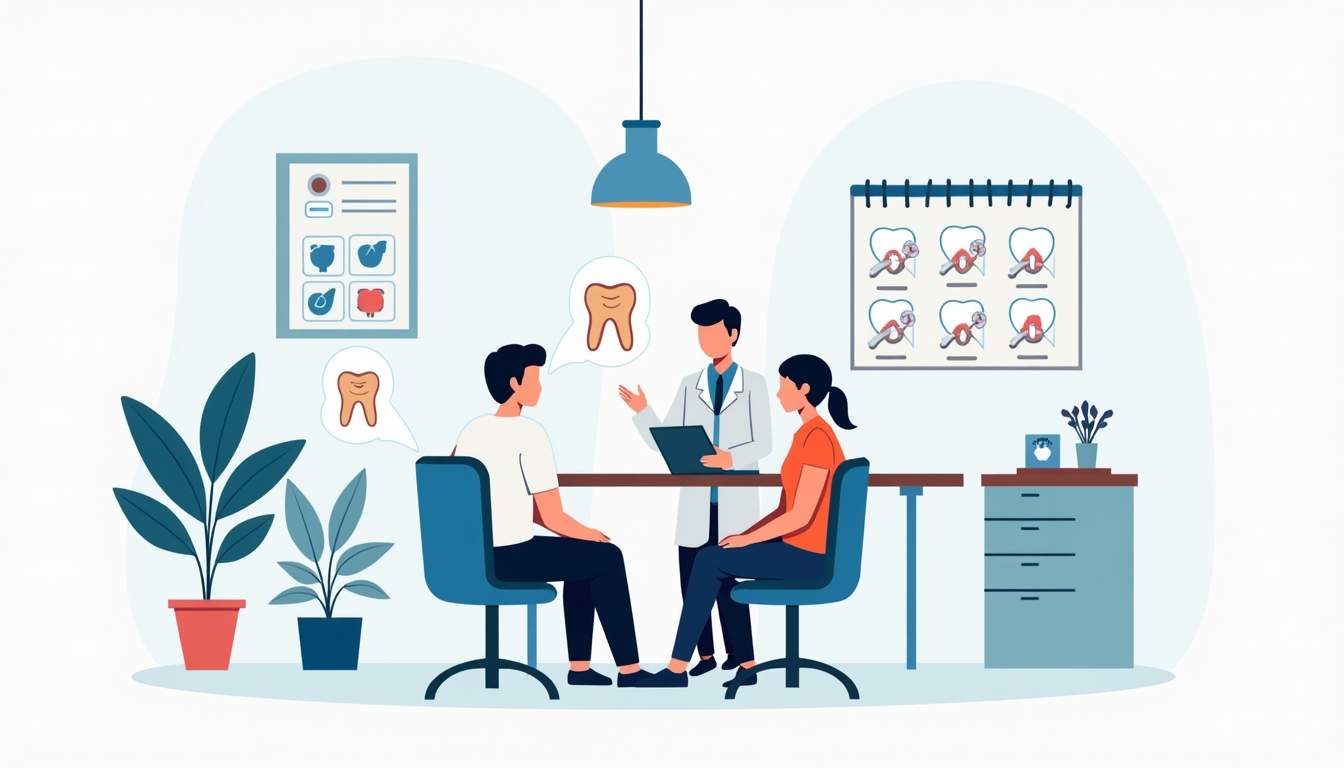
Finding a dentist you trust makes a big difference in your oral health journey. Look for someone who communicates clearly, listens to your concerns, and creates a comfortable environment.

Check credentials, read reviews, and consider the office’s location and hours. A dentist who offers comprehensive general dentistry services can save you time and hassle by addressing most needs in one place.
Building a Long-Term Relationship
Regular visits to the same dentist allow for better monitoring of your oral health over time. Your dentist becomes familiar with your history, making it easier to spot changes and tailor care to your needs.
Don’t hesitate to ask questions during your appointments. Understanding your treatment options and preventive strategies empowers you to take control of your dental health.
The Role of Technology in General Dentistry
Advances in dental technology have made general dentistry more effective and comfortable. Digital X-rays reduce radiation exposure and provide clearer images for accurate diagnosis.
Intraoral cameras let dentists show you real-time views of your teeth, helping you understand any issues. Laser dentistry can minimize discomfort during procedures and speed up healing.
These tools enhance the quality of care and make visits less intimidating for many patients.
General Dentistry and Overall Health
Oral health is closely linked to overall well-being. Gum disease has been associated with heart disease, diabetes, and respiratory problems. Keeping your mouth healthy can reduce inflammation and bacterial spread that affect other parts of the body.
Regular dental care also supports proper nutrition by maintaining your ability to chew and enjoy a variety of foods. It’s an essential part of a healthy lifestyle.
Summary
General dentistry is about more than just fixing teeth when they hurt. It’s a proactive approach to preserving your smile and preventing problems before they start. Routine checkups, cleanings, and timely treatments keep your mouth healthy and comfortable.

Coupled with good daily habits and mindful lifestyle choices, general dentistry empowers you to enjoy life’s simple pleasures-whether that’s sharing a meal, laughing with friends, or simply feeling confident in your smile.
Don’t wait for pain or visible problems to see your dentist. Make general dentistry a priority and invest in your long-term oral health today.