
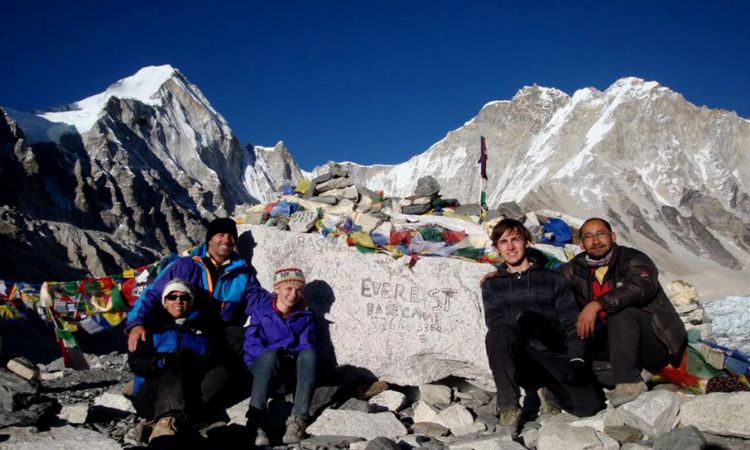
Planning your dream trek to Everest begins with understanding your budget clearly. The Everest Base Camp Trek Cost 2026: Complete Budget Guide for Indian & International Trekkers is designed to answer the most common question travelers ask — how much does it really cost to trek to Everest Base Camp?
With rising travel interest and increasing flight, permit, and accommodation rates, knowing what to expect financially helps you plan better and avoid surprises. Whether you are coming from India or anywhere else in the world, this detailed guide explains every expense involved — from permits and flights to food, accommodation, guides, and gear — along with tips to reduce overall costs.
By the end of this blog, you will have a realistic understanding of your trekking expenses and how to plan an affordable yet safe Everest Base Camp journey in 2026.
Everest Base Camp Trek Cost 2026: Complete Budget Guide for Indian & International Trekkers
The total cost of Everest Base Camp trek depends mainly on your trekking style, season of travel, service level, and personal preferences. Most trekkers spend anywhere between a budget backpacker cost range to a premium guided trekking package. Below is a complete breakdown to help you estimate your real expenses accurately.
What Determines the Total Cost of the Trek?
Several factors directly affect your total budget:
Trek Duration
The standard EBC trek lasts 12–14 days. Longer itineraries add more food and accommodation costs.
Trekking Style
-
Group trek (shared guide and porter) – more affordable
-
Private trek – slightly higher but more flexible
-
Luxury trek – highest cost with upgraded lodges and helicopter returns
Season
Peak trekking seasons (spring & autumn) cost more due to demand and flights.
Accommodation Level
Basic teahouses are cheaper while upgraded lodges near Namche Bazaar or Dingboche cost more.
Group Size
Larger groups reduce individual guide and porter expenses.
Permit and Documentation Costs
All trekkers must purchase mandatory permits.
Required permits include:
-
Sagarmatha National Park Entry Permit
-
Khumbu Pasang Lhamu Rural Municipality Permit
Visa to Nepal:
Indians don’t need a visa for Nepal travel with valid ID.
International trekkers obtain visas on arrival (15 to 90 days depending on travel duration).
On average, permit and visa expenses make up one of the smallest but essential parts of your trek budget.
Transportation Costs
Domestic Flights
The most significant vehicle cost is the flight between Kathmandu (or Manthali) and Lukla.
Peak season flight prices are higher, while off-season flights may offer minor discounts.
Ground Transfers
During peak months, flights depart from Manthali Airport, which involves a 5–6 hour road journey from Kathmandu — adding a small transportation cost.
Airport pickup and hotel transfers in Kathmandu are usually included in guided trekking packages.
Accommodation Costs on the Trek
Accommodation is simple but comfortable.
-
Twin-sharing teahouse rooms
-
Heated dining hall
-
Shared bathroom facilities
Prices depend on altitude:
-
Lower areas such as Phakding and Namche are cheaper
-
Higher villages like Lobuche and Gorakshep increase prices due to transportation challenges
Additional paid services include hot showers, WiFi, charging outlets, and bottled water.
Food and Daily Meal Expenses
Food expenses steadily increase as altitude rises because supplies are flown or portered up.
Daily meal cost includes:
-
Breakfast, lunch, dinner
-
Tea, boiled water
-
Occasional snacks
Most trekkers eat local meals such as dal bhat, noodles, soups, fried rice, porridge, and pancakes which are nutritious and affordable.
Tip: Refill boiled water instead of buying bottled water to reduce costs and protect the environment.
Hiring Guides and Porters
Professional Licensed Guide
-
Ensures route navigation, safety, altitude management, and communication.
-
Daily fee includes wages, insurance, food, and accommodation.
Porters
-
Carry up to 20–25 kg for two trekkers.
-
Porter hiring makes trekking lighter and prevents fatigue.
Group trekking dramatically reduces cost per person while maintaining comfort and safety.
Trekking Gear and Equipment
You can either rent gear in Kathmandu or bring your own from home.
Common rentals include:
-
Down jackets
-
Sleeping bags
-
Trekking poles
Renting is far more budget-friendly than purchasing new equipment for one trek.
Travel Insurance
Insurance is mandatory for trekkers.
Your insurance must cover:
-
Emergency helicopter evacuation
-
Trekking up to 5,500 meters
The cost varies based on home country and coverage level but is essential for your safety and peace of mind.
Emergency and Extra Expenses
Unexpected costs can arise due to:
-
Weather delays causing extra nights on trail
-
Flight cancellation buffers
-
Medical treatment or evacuation
-
Reserve food or oxygen purchases
Keeping a small contingency budget is strongly recommended.
Estimated Total Cost for Trekking in 2026
Although prices vary, here’s a general comparison:
Budget Trek
-
Independent-style with minimal support
-
Shared lodges and meals
Standard Guided Trek
-
Includes flights, guide, porter, permits, accommodation, meals
-
Most popular option (best comfort-to-cost balance)
Luxury Trek
-
Premium lodges, western meals, helicopter return
Most Indian and international trekkers choose standard guided trekking packages because they provide safety, transparency, and full service at a reasonable total cost.
Indian vs International Trekker Cost Differences
Indians benefit because:
-
No visa fee
-
Lower international flight prices to Kathmandu
-
Familiar food preferences
International travelers may pay slightly more due to visas, longer international flights, and extended insurance coverage. However, on-the-ground trekking costs remain almost identical for all nationalities.
Cost Comparison by Season
Peak Season
March–May & September–November
-
Best weather
-
Heavy crowds
-
Higher flight and accommodation costs
Off-Season
December–February & June–August
-
Fewer trekkers
-
Lower lodge rates
-
Flight availability may be unpredictable
For the best balance between price and trekking conditions, early March and early December offer excellent value.
Helicopter Alternative Experience
Some travelers prefer to experience Everest without the long hike. In this premium option, guests fly directly from Kathmandu to the Everest region via helicopter, land near Everest Base Camp or Kalapatthar viewpoint, and enjoy breakfast at the Everest View Hotel during a same-day tour.
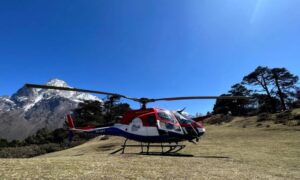
The Everest Base Camp Helicopter Tour Cost depends on the number of passengers sharing the helicopter, landing permits, fuel consumption, and peak-season availability. Private flights are more expensive, while shared group tours significantly reduce per-person pricing. Helicopter tours are especially popular for honeymoon travelers, families, senior visitors, and photographers seeking unforgettable Himalayan close-up views without physical trekking.
Practical Ways to Reduce Your Trek Cost
- Join group departures
- Travel in shoulder months instead of peak season
- Rent gear instead of buying
- Book directly with a local trekking agency
- Avoid unnecessary helicopter upgrades
- Carry refillable water bottles
Booking directly with a Nepal-based company like local trekking operators eliminates international middlemen costs, providing better prices and authentic service.
Common Mistakes That Increase Expenses
- Booking last-minute flights
- Overpacking and hiring extra porters
- Buying pricey bottled water daily
- Purchasing expensive gear abroad
- Choosing unlicensed or unsafe operators
Planning early helps avoid all these budget traps.
Frequently Asked Questions
How much money should I carry daily on the trail?
$20–30 per day for small extras like drinks, snacks, charging, or showers is usually enough.
Is independent trekking cheaper than guided trekking?
Not always. Independent trekkers still pay for permits, flights, meals, lodging, and guides on the trail — which often ends up costing nearly the same with lower comfort and safety.
What is the cheapest month to trek?
February and early June are often the lowest-priced months, but weather can be unpredictable.
Is the Everest Base Camp trek safe for beginners?
Yes, with a gradual itinerary and professional guides, many beginners complete this trek safely.
Are hidden costs common?
Hidden costs are avoidable by booking transparent full-package treks that include all essential services upfront.
Conclusion
The Everest Base Camp Trek Cost 2026: Complete Budget Guide for Indian & International Trekkers shows that with realistic planning, trekking to Everest remains an achievable dream — whether you choose the classic hiking route or opt for the scenic helicopter experience.
Understanding the major expenses clearly, planning seasonally, and working directly with reliable local trekking operators allows you to balance safety, comfort, and budget extremely well.
With professional guides, transparent pricing, and locally operated trekking programs, High Camp Adventure continues to make Everest dreams attainable for thousands of travelers from India and worldwide.