
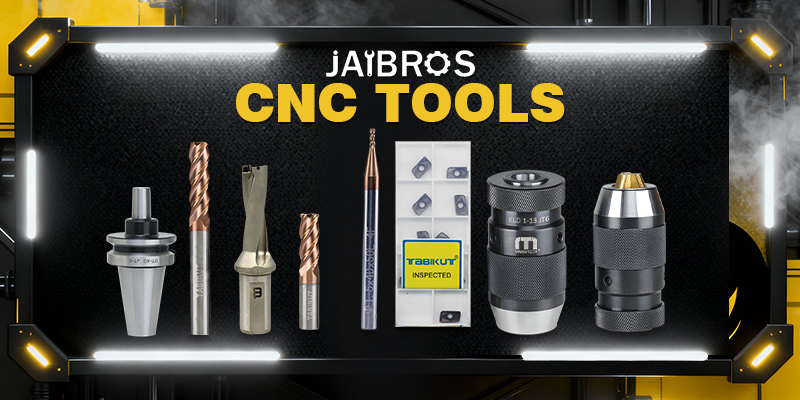
Explore key factors affecting CNC machine Tool cost and long-term ROI, including CNC machine price, productivity, tooling, maintenance, and automation.
Factors Affecting CNC Machine Tool Cost and Long-Term ROI
Investing in advanced machining technology is a major decision for any manufacturing business. The total cost is not limited to the purchase price alone; it also includes operational efficiency, maintenance, productivity, and long-term returns. Understanding what drives cost and how it impacts profitability helps manufacturers make smarter decisions. In this blog, we explore the key factors that influence the cost of a CNC machine Tool and how those factors directly affect long-term return on investment (ROI).
1. Initial Purchase Price and Machine Specifications
One of the first considerations is the CNC machine price, which varies widely based on size, accuracy, control system, and machine type. Entry-level models may be affordable, but high-end systems with multi-axis capability, advanced controllers, and superior build quality naturally cost more.
The specifications you choose should align with your production requirements. Over-investing in features you don’t need can reduce ROI, while under-investing can limit productivity and future scalability. Selecting the right CNC machine Tool at the outset ensures that your capital is used efficiently and supports long-term growth.
2. Machine Type and Application Requirements
Different machining tasks require different setups. For example, turning centers, vertical machining centers, and gantry systems all serve unique purposes. The type of work you perform—such as CNC milling, drilling, or contouring—will influence the overall cost structure.
Complex applications often require a robust CNC machine tools with higher rigidity and precision. While these machines may have a higher upfront cost, they typically deliver better accuracy, reduced scrap rates, and higher throughput, which positively impacts ROI over time.
3. Productivity and Cycle Time Efficiency
Productivity plays a crucial role in determining long-term returns. Machines that offer faster cycle times, higher spindle speeds, and efficient tool-changing systems can significantly increase output. This means more parts produced in less time, reducing per-unit manufacturing costs.
A well-chosen CNC machine Tool enables consistent performance across long production runs. Higher productivity not only offsets the initial investment faster but also improves delivery timelines and customer satisfaction, both of which contribute to sustainable profitability.
4. Tooling Compatibility and Operating Costs
Tooling is an ongoing expense that directly affects operating costs. Compatibility with a wide range of CNC tools allows manufacturers to choose cost-effective and application-specific options rather than relying on proprietary or expensive tooling systems.
Efficient machines reduce tool wear through stable cutting conditions and precise control. Over time, lower tooling consumption and reduced downtime for tool changes can significantly improve ROI. When evaluating cost, it’s essential to consider how tooling expenses will accumulate throughout the machine’s lifecycle.
5. Maintenance, Service, and Machine Longevity
Maintenance costs are often overlooked during the buying process but have a major impact on long-term ownership expenses. Machines built with high-quality components and reliable control systems generally require less frequent repairs and offer longer service life.
Preventive maintenance schedules, easy access to spare parts, and strong technical support all help minimize downtime. Choosing a durable CNC machine Tool ensures stable performance over many years, allowing businesses to extract maximum value from their investment.
6. Energy Consumption and Operational Efficiency
Energy efficiency is another factor influencing total cost of ownership. Modern machines are designed to consume less power while delivering higher performance. Reduced energy usage lowers monthly operating expenses, which accumulates into substantial savings over time.
Efficient power management systems, regenerative drives, and optimized motors all contribute to lower running costs. These savings improve the overall ROI and make advanced machining solutions more sustainable in the long run.
7. Automation and Software Capabilities
Automation features such as pallet changers, tool monitoring, and integrated software systems can increase the upfront investment but often lead to higher long-term gains. Automated processes reduce manual intervention, labor costs, and human error.
Advanced programming and simulation software improve process planning and reduce setup times. When used effectively, automation enhances the value of a CNC machine Tool by maximizing uptime and ensuring consistent quality across batches.
8. Resale Value and Future Scalability
Another important consideration is the machine’s resale value. Well-known brands and robust designs tend to retain value better in the secondary market. This can offset future upgrade costs when technology advances or production needs change.
Scalability also matters. A machine that can adapt to new materials, tooling systems, or production volumes offers better long-term flexibility. Investing wisely ensures that your CNC machine tool remains relevant and profitable for years.
Conclusion: Making a Smart Investment Decision
The true cost of a machining system extends far beyond its purchase price. Factors such as productivity, tooling efficiency, maintenance, energy consumption, and automation all play critical roles in determining long-term ROI. By carefully evaluating these elements, manufacturers can make informed decisions that balance cost with performance.
When it comes to reliable machining solutions, Jaibros stands out as a trusted name in the industry. Known for quality-driven engineering and customer-focused support, Jaibros offers advanced solutions that help manufacturers optimize performance, control costs, and achieve consistent long-term returns.
Frequently Asked Questions (FAQs)
- What factors most influence CNC machine price?
Machine size, accuracy, axis configuration, control system, and automation features are the main factors that determine pricing.
- How does CNC milling impact overall ROI?
Efficient milling operations reduce cycle times and material waste, leading to higher productivity and improved profitability.
- Are higher-cost CNC machine tools always better for ROI?
Not always. ROI depends on matching machine capabilities with actual production needs rather than choosing the most expensive option.
4. How important are CNC tools in cost calculation?
Tooling affects ongoing operational costs. Efficient tool usage and longer tool life can significantly improve ROI.
- Can automation justify a higher initial investment?
Yes. Automation often reduces labor costs, improves consistency, and increases output, leading to better long-term returns.