
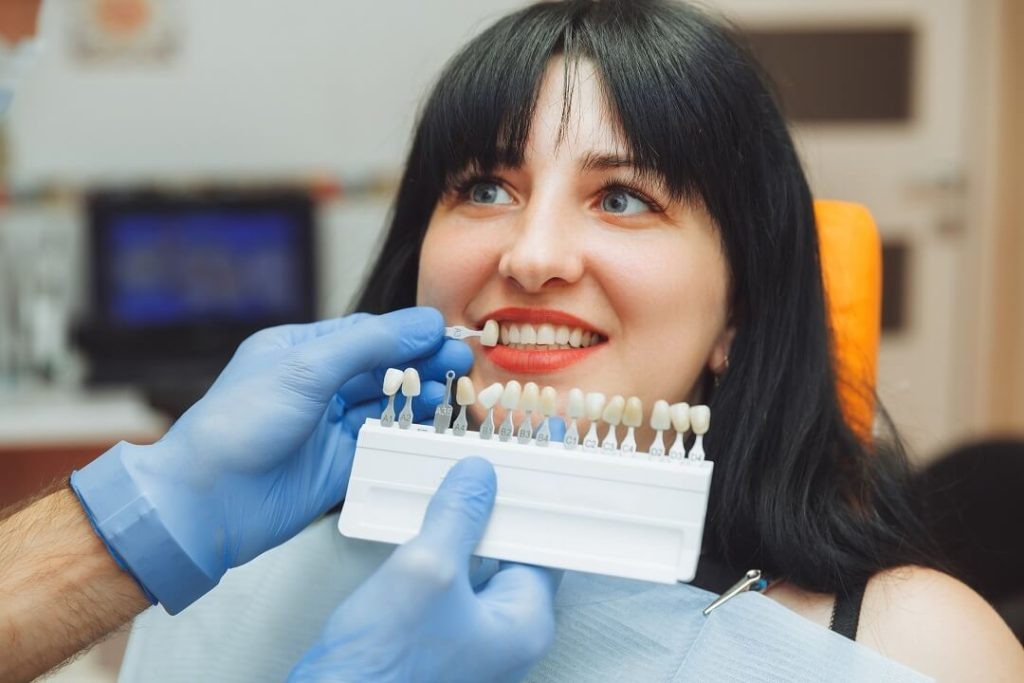
If you’ve ever considered getting a perfect smile, you may have wondered about the process of getting dental veneers. Many patients are curious whether the procedure can be done while they are asleep, or under sedation. Dental veneers are thin shells that are placed over the front surface of teeth to improve their appearance. For anyone searching for Dental veneers in Islamabad, understanding the options for comfort during the procedure is essential. Some patients experience anxiety or fear at the dental chair, which leads them to ask: can sedation dentistry or general anesthesia make veneers easier to handle? In this article, we will answer all your questions about sedation for veneers, the procedures involved, and considerations you need to know.

What Are Dental Veneers?
Dental veneers are ultra-thin, custom-made shells designed to cover the front surface of teeth. They are used to improve the appearance of teeth that are:
-
Discolored or stained
-
Chipped or worn down
-
Slightly misaligned
-
Gapped
Veneers are typically made from porcelain or composite resin. Porcelain veneers are popular because they are highly durable and mimic natural tooth enamel. Composite veneers are applied directly to the teeth in layers and can be shaped during the procedure. The process usually involves minimal preparation, but some enamel removal may be required to ensure proper fit and adhesion.
Can I Be Put to Sleep for Veneers?
Many patients wonder if it is possible to be “put to sleep” during the veneers procedure. The answer is yes, but it depends on the type of sedation used.
Types of Sedation for Veneers
-
Local Anesthesia
-
Most veneer procedures are performed using local anesthesia, which numbs the area being treated.
-
You remain awake and aware, but you won’t feel pain.
-
This is the most common method for dental veneers.
-
-
Nitrous Oxide (Laughing Gas)
-
A mild sedative inhaled through a mask.
-
Helps relax anxious patients while keeping them conscious.
-
The effect wears off quickly after the procedure.
-
-
Oral Sedation
-
Medication is given orally to help calm nerves.
-
You remain awake but in a deeply relaxed state.
-
Higher doses may make you drowsy.
-
-
IV Sedation / General Anesthesia
-
Used for patients with severe dental anxiety or complex procedures.
-
You may be semi-conscious (IV sedation) or fully asleep (general anesthesia).
-
Requires careful monitoring by trained dental professionals.
-
Important: Full anesthesia is rarely required for dental veneers unless combined with other complex procedures. Most patients do well with local anesthesia and mild sedation.
How Long Does the Veneer Procedure Take?
The time needed for veneers depends on the number of teeth, type of veneers, and whether temporary veneers are used.
| Step | Duration | Notes |
|---|---|---|
| Consultation & Planning | 30–60 min | Initial exam, smile design, X-rays |
| Tooth Preparation | 1–2 hours | Enamel removal, impressions taken |
| Temporary Veneers | 30–60 min | Optional, protects teeth until final veneers |
| Lab Work | 1–2 weeks | Porcelain veneers crafted in dental lab |
| Final Placement | 1–2 hours | Adhesion and adjustments |
Most patients require two to three visits for the entire procedure.
Reviews: Patients’ Experiences With Sedation During Veneers
Many patients report feeling more comfortable when sedation options are available. Here’s a glimpse of real experiences from dental clinics in Islamabad:
-
“I was nervous about veneers, but nitrous oxide helped me relax. The procedure was painless, and I could smile without fear.”
-
“I opted for IV sedation for my veneers. I was awake only for a few moments, and the rest of the procedure passed quickly. The staff was very supportive.”
-
“Local anesthesia worked perfectly for me. I was awake, but completely comfortable. My veneers look natural and flawless.”
These reviews highlight that sedation dentistry can make veneers a stress-free experience, especially for anxious patients.
Are Veneers Painful With Sedation?
Pain is generally minimal during a veneer procedure. Most patients experience:
-
Pressure while the tooth is being prepared
-
Mild discomfort if enamel is removed
-
Temporary sensitivity after placement
Sedation options like local anesthesia, nitrous oxide, and IV sedation significantly reduce discomfort. Post-procedure, dentists may recommend over-the-counter painkillers if mild sensitivity occurs.
Is Sedation Safe for Veneers?
Sedation dentistry is considered safe when administered by trained dental professionals. Safety protocols include:
-
Comprehensive medical history review
-
Continuous monitoring of heart rate, blood pressure, and oxygen levels
-
Recovery monitoring until the patient is fully alert
However, sedation may not be suitable for everyone, including patients with:
-
Certain heart or respiratory conditions
-
Allergies to sedative medications
-
Pregnancy (for certain types of sedation)
Your dentist will assess your health and discuss the safest option for your veneers procedure.
How to Prepare for Sedation During Veneers
Preparation is key to a smooth procedure. Tips include:
-
Discuss Your Medical History – Inform your dentist about medications, allergies, and past reactions to anesthesia.
-
Follow Fasting Instructions – For IV or oral sedation, you may be asked not to eat or drink for a few hours.
-
Arrange Transportation – If using sedation, someone should drive you home afterward.
-
Follow Pre-Procedure Instructions – Brush and floss your teeth before the appointment.
Are There Alternatives to Being Put to Sleep for Veneers?
If you prefer not to undergo sedation, alternatives include:
-
Local anesthesia only – Most patients tolerate veneers well with numbing gel or injection.
-
Relaxation techniques – Deep breathing, meditation, or listening to music.
-
Breaks during procedure – Dentists can take short pauses for comfort.
Many patients find these alternatives effective, especially when combined with supportive dental staff.
Conclusion
Being “put to sleep” for veneers is possible but usually not necessary. Most patients in Islamabad find that local anesthesia or mild sedation is enough to make the process comfortable. However, for those with severe dental anxiety or complex procedures, IV sedation or general anesthesia is an option. With proper consultation, preparation, and an experienced dental team, veneers can be a safe, painless, and life-changing cosmetic dental treatment.
Contact Us
For anyone seeking Dental veneers in Islamabad, the team at Glamorous Clinic in Islamabad is ready to help. Our dentists provide modern veneer treatments with comfortable sedation options tailored to your needs. Book your consultation today and achieve the smile you’ve always dreamed of. Contact Glamorous Clinic in Islamabad
Address : Office Number LG 20 – 21 Interlace Plaza I-8 Markaz Islamabad
Phone : +92 333 5705871
Email : info@glamorousclinic.com.pk
Link : https://www.glamorousclinic.com.pk/