

Dental implants have become one of the most reliable and popular solutions for replacing missing teeth. Many patients seeking a permanent dental solution often ask: Can dental implants be completed quickly? If you are considering Dental Implants in Islamabad, understanding the process, timelines, and factors affecting treatment speed is crucial for making an informed decision. In this FAQ-style guide, we’ll address common questions about quick dental implant procedures, their advantages, and what you can expect from start to finish.
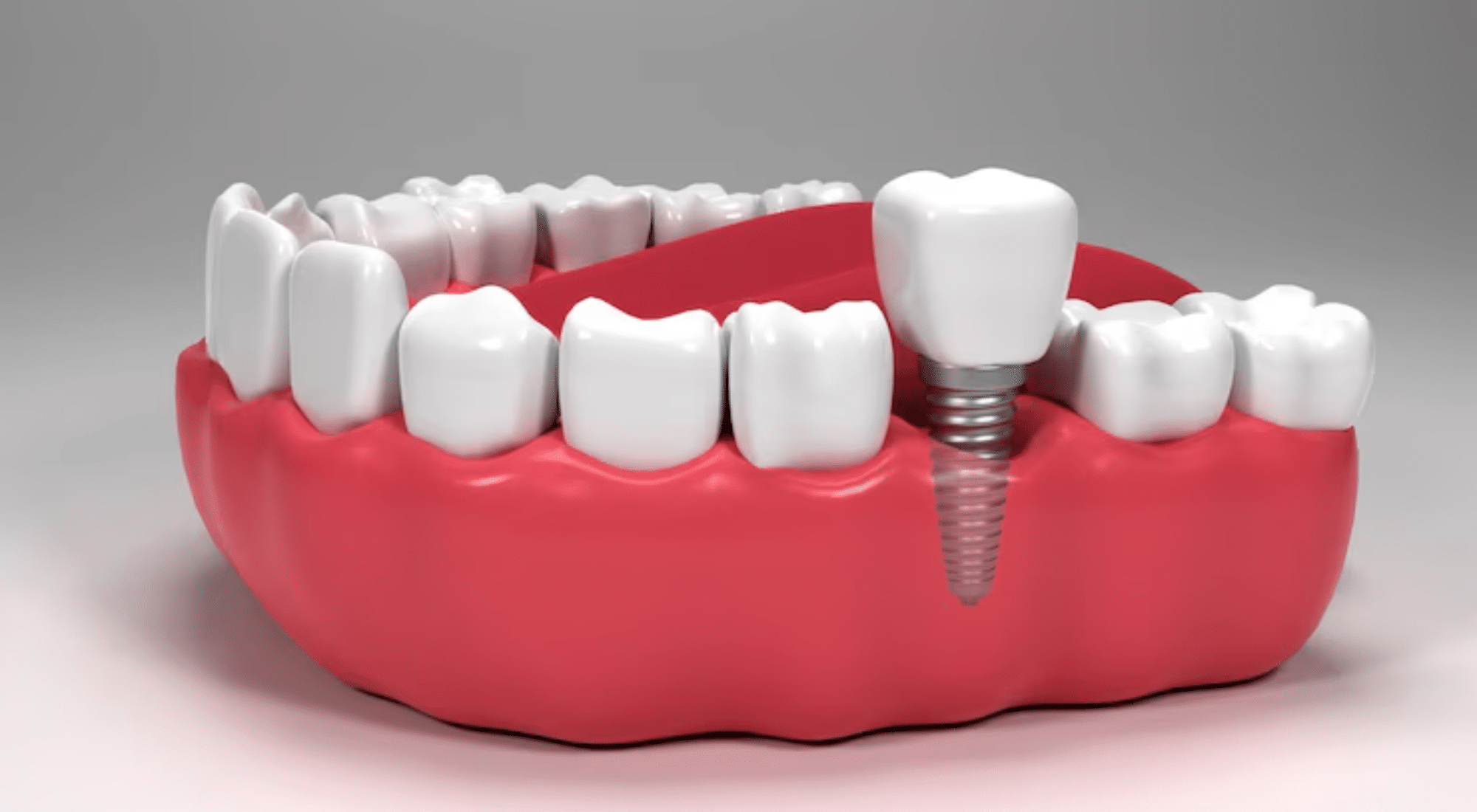
What Are Dental Implants?
Dental implants are artificial tooth roots, usually made of titanium, that are surgically placed into the jawbone to support replacement teeth, such as crowns, bridges, or dentures. Unlike traditional dentures, implants offer a long-term, stable solution that feels and functions like natural teeth.The procedure typically involves placing the implant, allowing the jawbone to heal and integrate with the implant (osseointegration), and then attaching a custom-made dental crown. While this process traditionally takes several months, modern techniques have made faster options available.
How Long Does a Standard Dental Implant Take?
A traditional dental implant treatment generally involves multiple steps:
-
Initial consultation and assessment – Evaluating bone density, oral health, and suitability for implants.
-
Implant placement surgery – Placing the titanium implant into the jawbone.
-
Healing and osseointegration – Usually 3–6 months for the implant to bond with the bone.
-
Abutment placement – Connecting the implant to the crown.
-
Final crown placement – Custom-made crown is attached.
Average timeline: 4–6 months, depending on the individual’s bone health and oral condition.
While this may seem long, the extended healing period ensures the implant is secure and reduces the risk of complications.
Can Dental Implants Be Completed Quickly?
Yes, in certain cases, dental implants can be completed more quickly than traditional methods. Some techniques and factors that enable faster procedures include:
-
Immediate Load Implants (Same-Day Implants): In specific situations, a temporary crown can be placed on the same day as the implant. This is often referred to as “teeth in a day.”
-
Advanced Imaging and Planning: Using 3D scans and digital planning allows precise implant placement, reducing surgery time and recovery complications.
-
Sufficient Bone Density: Patients with good jawbone density may qualify for faster procedures, as no bone grafting is required.
-
Mini Implants: Smaller implants sometimes allow quicker recovery and faster attachment of prosthetics.
Important note: Not everyone is a candidate for rapid implants. Patients with severe bone loss, gum disease, or other medical conditions may require traditional timelines to ensure long-term success.
Quick Facts About Standard vs. Rapid Dental Implants
| Feature | Traditional Implants | Quick/Immediate Implants |
|---|---|---|
| Healing Time | 3–6 months | 1–2 months (temporary crown) |
| Number of Visits | 3–5 visits | 2–3 visits |
| Bone Grafting Requirement | Sometimes required | Less often (depends on bone) |
| Temporary Teeth | Usually none | Often same day |
| Overall Duration | 4–6 months | 6–8 weeks (partial function) |
| Long-Term Stability | High | High (if candidate is suitable) |
| Cost | Standard | Slightly higher for tech-assisted procedures |
This table highlights how rapid dental implant procedures can significantly reduce overall treatment time while maintaining quality, provided the patient meets all criteria.
Reviews: What Patients Say About Quick Dental Implants
Here are a few experiences shared by patients who opted for faster implant procedures:
-
“I was surprised at how quickly I could get a temporary tooth after my implant surgery. It gave me confidence to smile immediately.
-
“The digital planning made my implant surgery almost painless and very fast. My permanent crown came in just a few weeks.”
-
“I didn’t need bone grafting, so my dentist could place the implants and temporary crowns in one visit. The process was seamless.”
These reviews emphasize that while rapid dental implants are not suitable for everyone, they can provide a practical solution for patients with good oral health and bone density.
Who Is a Good Candidate for Quick Dental Implants?
Not everyone can benefit from rapid dental implants. Ideal candidates usually:
-
Have sufficient jawbone density and healthy gums.
-
Are free from chronic illnesses that may impair healing, such as uncontrolled diabetes.
-
Do not smoke or are willing to quit smoking during the healing period.
-
Require single-tooth replacement or a limited number of teeth.
Patients who need extensive bone grafting, multiple implants, or have periodontal disease may still require traditional treatment timelines to ensure implant success.
What Are the Advantages of Rapid Dental Implants?
Quick or same-day dental implants offer several benefits:
-
Immediate Smile Improvement: Temporary teeth can restore aesthetics immediately.
-
Reduced Overall Treatment Time: Less waiting for osseointegration in certain cases.
-
Fewer Surgical Visits: Digital planning allows precise placement, reducing multiple procedures.
-
Boosted Confidence: Patients regain functional teeth quickly, improving speech and chewing.
However, it’s essential to weigh the benefits against the suitability of your oral health and follow all post-operative care instructions.
Are Quick Dental Implants More Expensive?
Yes, rapid dental implants often cost slightly more than traditional implants. The additional cost typically reflects:
-
Use of advanced technology (3D imaging, digital planning)
-
Precision surgical tools
-
Temporary same-day crowns
-
Additional training or expertise required
Despite the higher initial cost, the reduced number of visits and quicker restoration of function can make it a cost-effective option for many patients.
How Should I Care for Dental Implants After Surgery?
Proper care is crucial for both traditional and rapid implants:
-
Maintain excellent oral hygiene, brushing twice daily and flossing carefully around the implant.
-
Avoid hard or sticky foods immediately after surgery.
-
Attend all follow-up appointments to monitor healing.
-
Avoid smoking and excessive alcohol, as these can impair osseointegration.
Following these guidelines ensures your dental implants remain stable, functional, and aesthetically pleasing for many years.
Can Quick Dental Implants Replace All Missing Teeth?
Quick dental implants are generally suitable for single-tooth replacements or small bridges. For patients needing full-mouth rehabilitation, traditional multi-step procedures may still be the safest and most reliable option. Consulting with an experienced implant dentist is critical to determine the best approach for your specific needs. Digital planning and advanced techniques can often shorten treatment time, even for complex cases, but patient suitability remains the key factor.
Conclusion
While traditional dental implants usually require several months to complete, modern techniques and careful patient selection have made quick or immediate dental implants possible. With the right bone density, oral health, and technology-assisted planning, patients can enjoy temporary teeth the same day and significantly shorten treatment time. Whether you choose a traditional or rapid dental implant approach, the primary goal is long-term stability, functionality, and a natural-looking smile.
Contact Us
If you are considering dental implants and want a fast, reliable, and aesthetic solution, our clinic specializes in Dental Implants in Islamabad. Our team of experienced dental professionals uses advanced imaging and digital planning to ensure precise placement and rapid recovery. Schedule your consultation today to discuss your options and take the first step toward restoring your smile!
Address : Office Number LG 20 – 21 Interlace Plaza I-8 Markaz Islamabad
Phone : +92 333 5705871
Email : info@glamorousclinic.com.pk
Link : https://www.glamorousclinic.com.pk/