
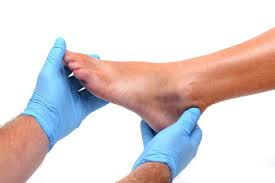
Foot health often reflects overall body wellness, yet it is frequently overlooked until discomfort or visible changes appear. One such concern that raises alarm is the presence of black patches on the bottom of feet, which can vary in size, texture, and severity. While some causes are harmless, others may signal underlying medical conditions that require attention. Understanding these changes early can help prevent complications and restore confidence in everyday mobility.
The soles of the feet endure constant pressure, friction, and exposure to environmental factors. As a result, discoloration or dark marks may develop gradually without noticeable pain. People of all ages can experience this issue, and its causes range from lifestyle habits to dermatological or systemic conditions.
Maintaining awareness of foot symptoms aligns closely with holistic health approaches such as wellnessforlife, where preventive care and early intervention play a key role in sustaining long-term vitality. Paying attention to changes in your feet is not just about appearance it’s about supporting your overall well-being.
Understanding Black Marks on the Soles of Feet
Black or dark marks on the soles may appear suddenly or develop over time. These marks can be flat or raised, smooth or rough, and may occur on one foot or both. In some cases, they fade on their own, while in others, they persist or worsen.
The color change happens due to pigment accumulation, thickened skin, trapped blood, or fungal or bacterial activity. Identifying the nature of these marks is the first step toward effective treatment.
Common Causes of Dark Patches on Foot Soles
Friction and Pressure
Prolonged walking, standing, or wearing tight footwear can cause repeated friction. This may lead to thickened skin or calluses that appear dark due to trapped debris or dead skin cells. Athletes and individuals with physically demanding jobs are particularly prone to this cause.
Hyperpigmentation
Excess melanin production can result in darker skin areas. Hyperpigmentation on the soles may occur due to hormonal changes, aging, or inflammatory skin conditions. It is usually harmless but can be persistent without treatment.
Fungal Infections
Certain fungal infections, such as tinea nigra, can cause dark brown or black patches on the soles. These infections are typically painless but may spread if untreated. Warm, moist environments like locker rooms increase the risk.
Bruising or Internal Bleeding
Minor injuries may cause blood to pool under the skin, leading to dark spots. These marks often fade as the body reabsorbs the blood, but persistent bruising should be evaluated by a healthcare provider.
Medical Conditions Linked to Black Foot Marks
Diabetes Related Skin Changes
People with diabetes may experience skin discoloration due to poor circulation or nerve damage. Dark patches may also indicate pressure points that could develop into ulcers if not managed properly.
Addison’s Disease
This rare hormonal disorder can cause generalized hyperpigmentation, including on the soles of the feet. The darkening usually appears gradually and is accompanied by fatigue and low blood pressure.
Melanoma (Rare but Serious)
Although uncommon, melanoma can develop on the soles. These marks are often irregular, asymmetrical, and may change in size or color. Any suspicious or rapidly changing spot should be examined immediately.
Symptoms That May Accompany Dark Sole Marks
While some black marks are painless, others may be associated with additional symptoms that help identify their cause.
Pain or Tenderness
Pain often suggests pressure-related issues, bruising, or infection. Persistent discomfort should not be ignored.
Itching or Scaling
Itching, peeling, or flaky skin may point to a fungal or allergic condition. These symptoms often worsen without proper treatment.
Swelling or Redness
Inflammation around dark patches may indicate infection or injury. Warmth and swelling are signs that medical evaluation is necessary.
How Black Marks on Feet Are Diagnosed
Diagnosis usually begins with a physical examination. A healthcare professional may ask about lifestyle habits, footwear, medical history, and symptom duration.
Visual Examination
The shape, size, color, and texture of the mark provide valuable clues. Doctors look for symmetry, borders, and changes over time.
Skin Scraping or Tests
If infection is suspected, a small skin sample may be taken to identify fungal or bacterial causes.
Biopsy (If Needed)
In rare cases, a biopsy may be recommended to rule out serious conditions such as melanoma.
Effective Treatment Options
Treatment depends on the underlying cause, but many cases can be managed successfully with consistent care.
Foot Hygiene Improvements
Keeping feet clean and dry helps prevent infections and reduces discoloration caused by trapped debris. Gentle exfoliation removes dead skin buildup.
Topical Medications
Antifungal creams, steroid ointments, or skin-lightening agents may be prescribed based on diagnosis. These treatments often require several weeks for visible improvement.
Footwear Adjustments
Switching to well-fitted, breathable shoes reduces friction and pressure. Cushioning insoles can also help redistribute weight evenly across the soles.
Medical Interventions
For conditions linked to systemic diseases, treating the underlying issue is essential. This may involve hormonal therapy, blood sugar management, or specialized dermatological care.
Natural Remedies and Supportive Care
Some individuals prefer natural approaches alongside medical treatment.
Moisturizing Oils
Coconut oil, aloe vera, and shea butter help soften thickened skin and improve appearance over time.
Warm Water Soaks
Soaking feet in warm water with mild soap or Epsom salt can reduce dryness and improve circulation.
Gentle Exfoliation
Using a pumice stone or soft foot file once or twice a week helps prevent buildup without irritating the skin.
Preventing Dark Patches on Foot Soles
Prevention focuses on daily habits that protect foot skin.
Maintain Proper Foot Hygiene
Wash feet daily, dry thoroughly between toes, and change socks regularly.
Choose Appropriate Footwear
Avoid tight shoes and opt for breathable materials that reduce moisture buildup.
Monitor Foot Changes Regularly
Regular self-checks help identify changes early, especially for individuals with diabetes or circulation issues.
When to See a Doctor
Not all dark patches are harmless. Seek medical advice if you notice:
- Rapid changes in size or color
- Irregular or asymmetrical marks
- Pain, bleeding, or ulceration
- No improvement after home care
Early evaluation ensures peace of mind and timely treatment.
Living Comfortably With Healthy Feet
Feet play a crucial role in daily life, supporting movement and balance. Addressing skin changes promptly helps maintain comfort and mobility. By staying attentive to symptoms and adopting preventive care, most cases of dark foot marks can be managed effectively.
Understanding the causes, recognizing warning signs, and following appropriate treatments empower individuals to take control of their foot health. With consistent care and awareness, you can step forward confidently, knowing your feet are well-supported and healthy.