
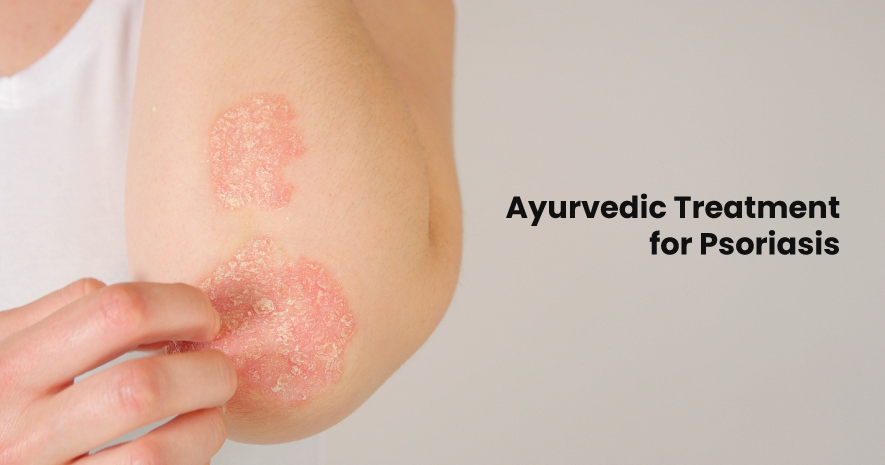
Psoriasis is more than just a skin condition. It can impact a person’s physical comfort, emotional balance and quality of life. Distinguished by red, scaly and often itchy patches on the skin, this chronic autoimmune disorder can be stubborn and difficult to manage using conventional medicine alone. In contrast, Ayurveda, India’s ancient system of holistic healing offers an individualized and natural route toward lasting relief by addressing the root causes rather than just pointing out the symptoms. Ayurvedic treatment for Psoriasis is grounded in the principles of balancing energies, detoxifying the system and restoring overall health.
As an Ayurvedic physician who has worked extensively with skin-related conditions, I’ve seen firsthand how tailored therapies, dietary modifications and herbal medicines can make a profound difference in the lives of psoriasis patients. In this guide, we’ll explore how Ayurveda interprets psoriasis, its causes and the treatments that offer hope for real and lasting healing.
Understanding Psoriasis Through the Lens of Ayurveda
Ayurveda classifies psoriasis under the broad category of Kushta Roga, or skin disorders. Sometimes, Ayurveda associates it to an imbalance in Vata and Kapha doshas and occasionally Pitta, which results in an increase of ama (toxins) in the body. These toxins manifest externally as dry, flaky, inflamed skin and can be triggered by poor digestion, improper diet, stress and seasonal changes.
Instead of just seeing psoriasis as a skin problem, Ayurveda views it as a reflection of disharmony in the body. It centers on fixing digestion (Agni), removing toxins, maintaining doshas and improving skin and immune system health.
Detoxification and Panchakarma
Panchakarma is one of the main practices used in Ayurvedic healing for problems like psoriasis. They support the body by removing toxins and keeping the immune system in good shape. The main procedures of Panchakarma for psoriasis usually are:
- Vamana (Therapeutic Emesis): Removes excess Kapha in the body.
- Virechana Therapy (Purgation Therapy): Cleanses Pitta-related toxins in the body.
- Takradhara: Buttermilk poured onto the forehead to lower stress and better your skin.
- Abhyanga (Oil Massage) and Swedana (Herbal Steam Therapy): Helps your body release toxins easily.
Generally, these therapies are completed with a tailored internal medication regimen that is prepared for the patient and done under professional supervision for best and safe results.
Herbal Remedies for Psoriasis
Different Ayurvedic herbs are chosen for their ability to cleanse the blood, lower inflammation and strengthen the immune system. Herbs are chosen according to the patient’s dominant dosha and their general build (prakriti). Among the usual herbs used for psoriasis are:
- Neem (Azadirachta indica): Anti-bacterial in nature, it is famous for helping the body get rid of toxins.
- Turmeric (Curcuma longa): Protects your body from inflammation and toxins.
- Manjistha (Rubia cordifolia): Helps cleanse the blood and assists in healing the skin.
- Guduchi (Tinospora cordifolia): Helps strengthen the immune system and also promotes the skin to heal.
- Khadira (Acacia catechu): Helpful in treating skin inflammation and itching.
These herbs are administered internally as well as applied externally in the form of oils, pastes and medicated baths to help restore healthy skin.
Diet in Psoriasis Management
A healthy diet plays a big role in healing skin disorders in Ayurveda. Certain foods are believed to aggravate doshas and worsen psoriasis symptoms. For this reason, patients are suggested to eat a psoriasis-friendly diet that improves detoxification, lowers inflammation and improves digestion.
Recommended Foods:
- Bitter vegetables like neem, bitter gourd and drumstick
- Herbal teas with turmeric or ginger
- Ghee in moderate quantities to balance Vata and nourish the skin
Foods to Avoid:
- Processed, packaged and fried foods
- Excess dairy, particularly curd
- Red meat and shellfish
- Nightshades (tomatoes, potatoes, brinjal)
- Fermented and sour foods
Also, yoga, meditation and mindful stress relief activities are suggested to help the body heal. They soothe the mind and immune functions that play a role in psoriasis flare-ups.
Skin Care the Ayurvedic Way
Topical treatments also play a key role in Ayurvedic psoriasis care. Medicated oils like Eladi Thailam, Khadiradi Thailam and Mahamarichyadi Thailam are commonly used for their anti-inflammatory and soothing effects. Regular oil application softens the scales, reduces itching and promotes healing. This is often followed by Takra Dhara (pouring medicated buttermilk on the affected area) or lepa (herbal paste applications) to reduce inflammation.
Ayurveda also emphasizes bathing rituals using herbal decoctions made from neem, turmeric or triphala, which have antiseptic and rejuvenating effects.
Why Choose Ayurveda for Psoriasis?
Unlike conventional treatment, which primarily aims to suppress symptoms through steroids and immunosuppressants, Ayurveda offers a holistic approach that targets the root cause of the condition. This integrative model not only helps in reducing flare-ups but also improves overall skin health, strengthens the immune system and supports emotional well-being.
Ayurvedic care is deeply personalized. From medication to diet and lifestyle plans, everything is crafted to suit the individual’s unique doshic makeup, condition and other health factors. This patient-centric approach fosters sustainable healing over time.
Healing with the Best
For those seeking a genuine, compassionate and thorough Ayurvedic approach, Kerala remains a beacon of traditional wellness. Home to some of the most esteemed and experienced Ayurvedic institutions and practitioners, it combines the wisdom of time-tested healing with the balance of nature. If you are considering treatment for psoriasis, choosing the best ayurvedic hospital in Kerala can significantly enhance your healing journey. These hospitals offer authentic therapies, guided detox programs and the personalized care essential for chronic skin disorders like psoriasis.
Conclusion
Psoriasis may be a long-term condition, but it doesn’t have to define your life. Ayurved offers a gentle and effective path toward healing, one that emphasizes balance and personalized care. Whether you are newly diagnosed or have struggled for years, integrating Ayurveda into your treatment plan can provide relief not only for your skin but also for your overall well-being, emotional health and peace of mind.
If you’re looking to explore a holistic and natural solution, Ayurvedic treatment for Psoriasis might be the answer you’ve been seeking all along. With the right guidance and therapeutic care, healing is within reach.
Read to know: Common Mistakes When Applying for Study in Finland