
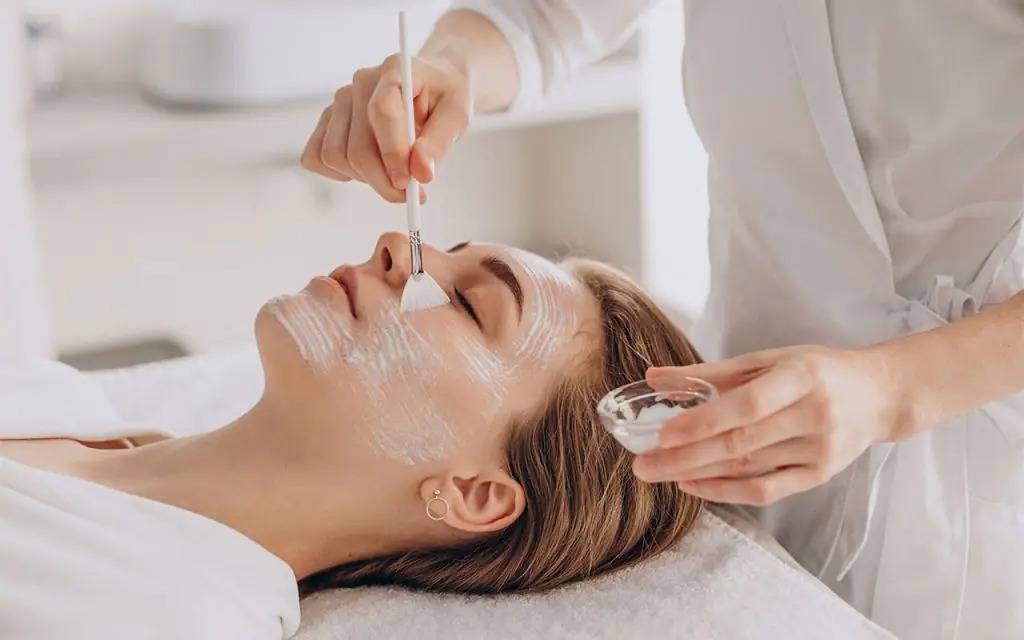
Teenage skin goes through many changes due to hormones, lifestyle habits, and genetics. Acne, oily skin, clogged pores, pigmentation, and post-acne marks are common concerns during adolescence. As a result, many parents and teenagers explore dermatological treatments to improve skin health and confidence. One frequently asked question is whether chemical peels are safe at a young age. If you’re considering Chemical Peels in Islamabad , it’s important to understand how they work, when they are appropriate for teenagers, and what safety precautions should be followed. This FAQ-style guide answers the most common questions parents and teens ask before choosing this treatment.
What Are Chemical Peels and How Do They Work?
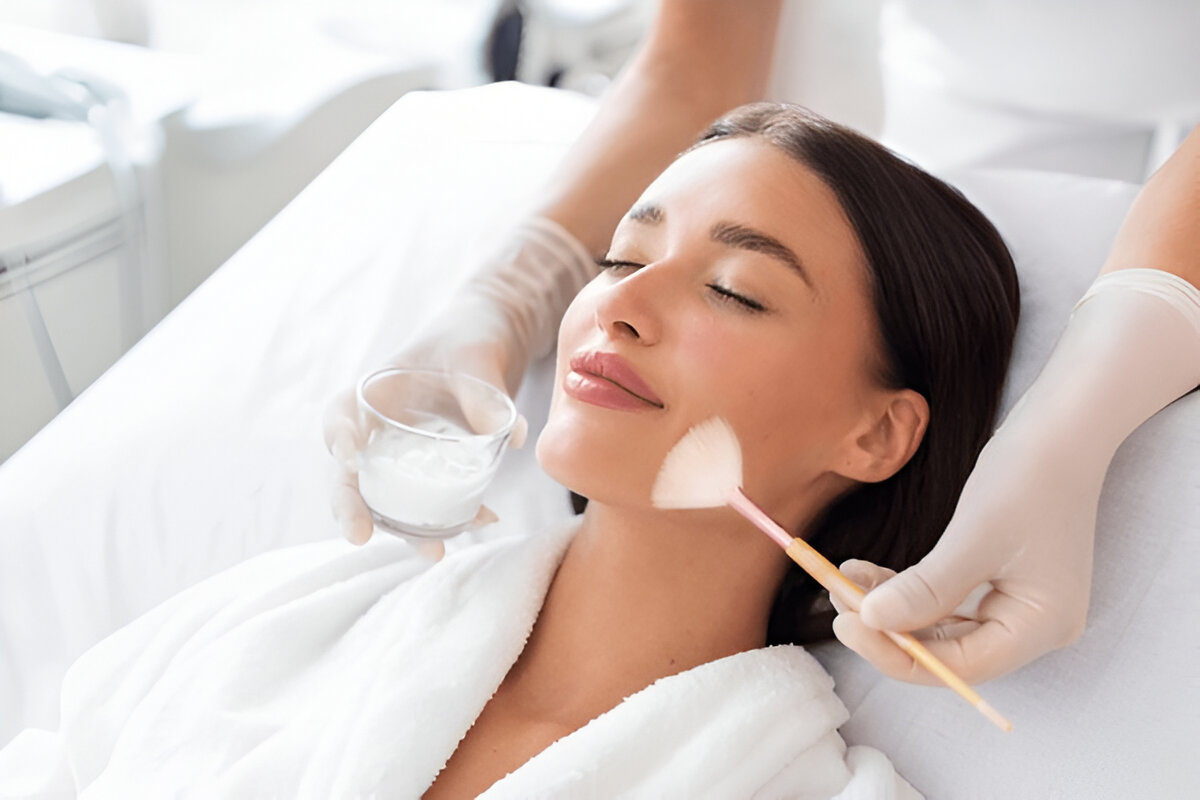
Chemical peels are dermatological treatments that use safe, medically approved chemical solutions to exfoliate the skin. These solutions remove dead skin cells from the surface and stimulate new cell growth underneath. For teenagers, chemical peels are usually superficial (light) peels, which target the outermost layer of skin. These peels help unclog pores, reduce acne-causing bacteria, fade mild pigmentation, and improve overall skin texture.
Common ingredients used in teen-safe peels include:
-
Salicylic acid (ideal for acne-prone skin)
-
Glycolic acid (helps with texture and dullness)
-
Lactic acid (gentler option for sensitive skin)
When performed by a qualified professional, chemical peels are controlled, predictable, and designed to match the individual’s skin type and age.
Are Chemical Peels Safe for Teenagers?
Yes, chemical peels can be safe for teenagers when specific conditions are met. Safety depends on the type of peel, skin condition, age, and professional supervision.
Dermatologists typically recommend chemical peels for teenagers who:
-
Have moderate to persistent acne
-
Struggle with acne scars or post-inflammatory pigmentation
-
Experience excessive oil production
-
Have clogged pores that don’t respond to topical treatments
Only light or superficial peels are considered appropriate for teens. Medium and deep peels are generally avoided because teenage skin is still developing and is more sensitive. Parental consent, proper skin assessment, and a customized treatment plan are essential to ensure safety and effectiveness.
What Skin Problems Can Chemical Peels Treat in Teenagers?
Chemical peels are not used for cosmetic beautification alone in teenagers. They are primarily prescribed for medical or skin-health-related concerns.
Teen skin conditions that may benefit from chemical peels include:
-
Acne and acne flare-ups
-
Whiteheads and blackheads
-
Post-acne dark spots
-
Uneven skin tone
-
Mild acne scarring
-
Excess oil and congested pores
By exfoliating the skin and reducing bacteria, chemical peels can improve acne control and prevent future breakouts when combined with a proper skincare routine.
Do Chemical Peels Hurt or Cause Discomfort for Teens?
Most teenagers tolerate light chemical peels very well. During the procedure, mild tingling, warmth, or a slight stinging sensation may be felt, but it usually lasts only a few minutes.
After the peel, some teens may experience:
-
Mild redness
-
Light dryness or flaking
-
Temporary sensitivity
These effects are normal and typically resolve within a few days. Severe pain, peeling, or burns are rare when the procedure is done correctly by a trained professional. Proper post-peel care significantly reduces discomfort and speeds up recovery.
How Are Chemical Peels Different for Teenagers vs Adults?
Chemical peels for teenagers are specifically designed to be gentler than those used for adults. The strength, duration, and frequency are carefully controlled.
Quick Comparison Table
| Factor | Teenagers | Adults |
|---|---|---|
| Peel strength | Light/superficial | Light to deep |
| Main purpose | Acne & oil control | Anti-aging, pigmentation |
| Recovery time | 1–3 days | 3–10 days |
| Skin sensitivity | Higher | Moderate |
| Frequency | Less frequent | More flexible |
This customized approach ensures that teenage skin is protected while still achieving visible improvements.
Reviews: What Do Parents and Teenagers Say About Chemical Peels?
Many parents and teenagers report positive outcomes when chemical peels are performed responsibly and under professional care.
“My son struggled with acne for years. After a few light chemical peel sessions, his breakouts reduced significantly and his confidence improved.”
I was nervous at first, but the peel didn’t hurt much. My skin felt smoother, and my acne marks started
fading within weeks.”“
I appreciated how carefully the dermatologist explained everything. The treatment was gentle and safe for my daughter’s sensitive skin.”
These experiences highlight the importance of choosing a qualified clinic and realistic expectations.
Are There Any Risks or Side Effects for Teenagers?
While chemical peels are generally safe, there are potential risks if they are not performed correctly or if aftercare instructions are ignored.
Possible side effects include:
-
Temporary redness or dryness
-
Increased sun sensitivity
-
Mild irritation
-
Rare allergic reactions
Serious complications such as scarring or pigmentation changes are extremely rare when light peels are used and sun protection is followed. Teenagers with eczema, active skin infections, or extremely sensitive skin may not be suitable candidates and should be evaluated carefully.
How Many Chemical Peel Sessions Does a Teenager Need?
The number of sessions varies depending on the skin concern. Most teenagers require a series of 3 to 6 light peels, spaced several weeks apart. Improvements are usually gradual and natural-looking rather than dramatic overnight changes. Dermatologists often combine chemical peels with:
-
Topical acne treatments
-
Proper cleansing routines
-
Diet and lifestyle advice
Consistency and patience play a key role in achieving long-term results.
What Aftercare Is Required for Teenagers After a Chemical Peel?
Aftercare is crucial to protect teenage skin and prevent irritation.
Recommended aftercare includes:
-
Using gentle, fragrance-free cleansers
-
Applying moisturizer regularly
-
Avoiding sun exposure
-
Wearing sunscreen daily
-
Avoiding picking or scratching the skin
Makeup and harsh skincare products should be avoided for a few days after the peel to allow proper healing. Parents can support teens by helping them follow aftercare instructions consistently.
When Should Teenagers Avoid Chemical Peels?
Chemical peels may not be suitable if a teenager:
-
Has active skin infections or open wounds
-
Suffers from severe eczema or rosacea
-
Is currently using strong acne medications without medical supervision
-
Has a history of allergic reactions to peel ingredients
A professional consultation is essential to determine whether chemical peels are appropriate or if alternative treatments should be considered.
Conclusion: Are Chemical Peels a Good Option for Teenagers?
Chemical peels can be a safe and effective treatment for teenagers when used responsibly. They are particularly beneficial for managing acne, reducing oiliness, and improving skin texture. The key factors for safety include professional evaluation, gentle peel selection, parental involvement, and proper aftercare. When performed by experienced specialists, chemical peels can support healthy skin development and boost self-confidence during the challenging teenage years.
Contact Us – Book a Safe Consultation Today
If you’re considering Chemical Peels in Islamabad for your teenager, professional guidance is essential. Our experienced skincare specialists offer personalized consultations, teen-safe treatment plans, and complete aftercare support. Contact us today to schedule a consultation and learn whether chemical peels are the right choice for your child’s skin. Healthy skin starts with expert care—let us help you make a confident, informed decision.
Address : Office Number LG 20 – 21 Interlace Plaza I-8 Markaz Islamabad
Phone : +92 333 5705871
Email : info@glamorousclinic.com.pk
Link : https://www.glamorousclinic.com.pk/