
Imagine trying to fit a bulky water heater into a cramped apartment closet or a tiny utility nook. It’s a tight squeeze, and sometimes it just doesn’t work. Traditional water heaters with large tanks can be a real space hog, especially when every square inch counts. That’s where tankless water heaters come in-a sleek, compact solution that’s changing how small spaces get their hot water.
Space-Saving Design That Fits Anywhere
Compact Size Makes a Big Difference
Tankless water heaters are designed to heat water on demand, so they don’t need a massive storage tank. This means their physical footprint is dramatically smaller than traditional models. Most units are about the size of a small suitcase or even less, allowing them to fit in tight spots like closets, under sinks, or mounted on walls.
For small apartments, tiny homes, or condos, this is a game-changer. Instead of dedicating an entire closet or a large corner of a basement to a bulky water heater, you can tuck a tankless system into a narrow space or even outdoors in some cases. This frees up valuable real estate inside your home for storage, furniture, or simply more breathing room. Moreover, the sleek design of these units often adds a modern touch to your space, blending seamlessly with contemporary decor and enhancing the overall aesthetic of your home.
In addition to saving space, tankless water heaters can also contribute to a more organized environment. With fewer large appliances cluttering your living areas, you can create a more minimalist and functional layout. This is particularly beneficial for those who prioritize a clean and open atmosphere, as it allows for better flow and accessibility throughout your home. To learn more or get professional installation, you can visit Plumber Singapore.
Flexible Installation Options
Because of their size and design, tankless water heaters offer more installation flexibility. They can be mounted vertically or horizontally, indoors or outdoors, and in places where traditional tank heaters simply won’t fit. This adaptability means you don’t have to compromise on your living space or your hot water needs.
For example, in a small urban apartment, a tankless unit can be installed on a balcony or an exterior wall, keeping noise and heat away from living areas. In a tiny house, it can be hidden inside a cabinet or under the sink, making the most of every inch. This versatility also extends to the plumbing and electrical requirements, as many models can be connected to existing systems with minimal modifications, making installation quicker and often less expensive.
Furthermore, the ability to install these units in various locations allows homeowners to optimize their hot water supply based on usage patterns. For instance, multiple tankless units can be strategically placed throughout a larger home to provide instant hot water to different areas, such as bathrooms, kitchens, and laundry rooms, without the long wait times associated with traditional systems. This not only enhances convenience but also promotes energy efficiency, as hot water is delivered precisely where and when it is needed, reducing waste and lowering utility bills.
Energy Efficiency and Cost Savings
Heating Water Only When You Need It
Traditional water heaters keep a large tank of water hot all day, even when you’re not using it. This standby heat loss wastes energy and increases your utility bills. Tankless water heaters only heat water as it flows through the unit, which means no energy is wasted keeping a tank full of water hot 24/7.
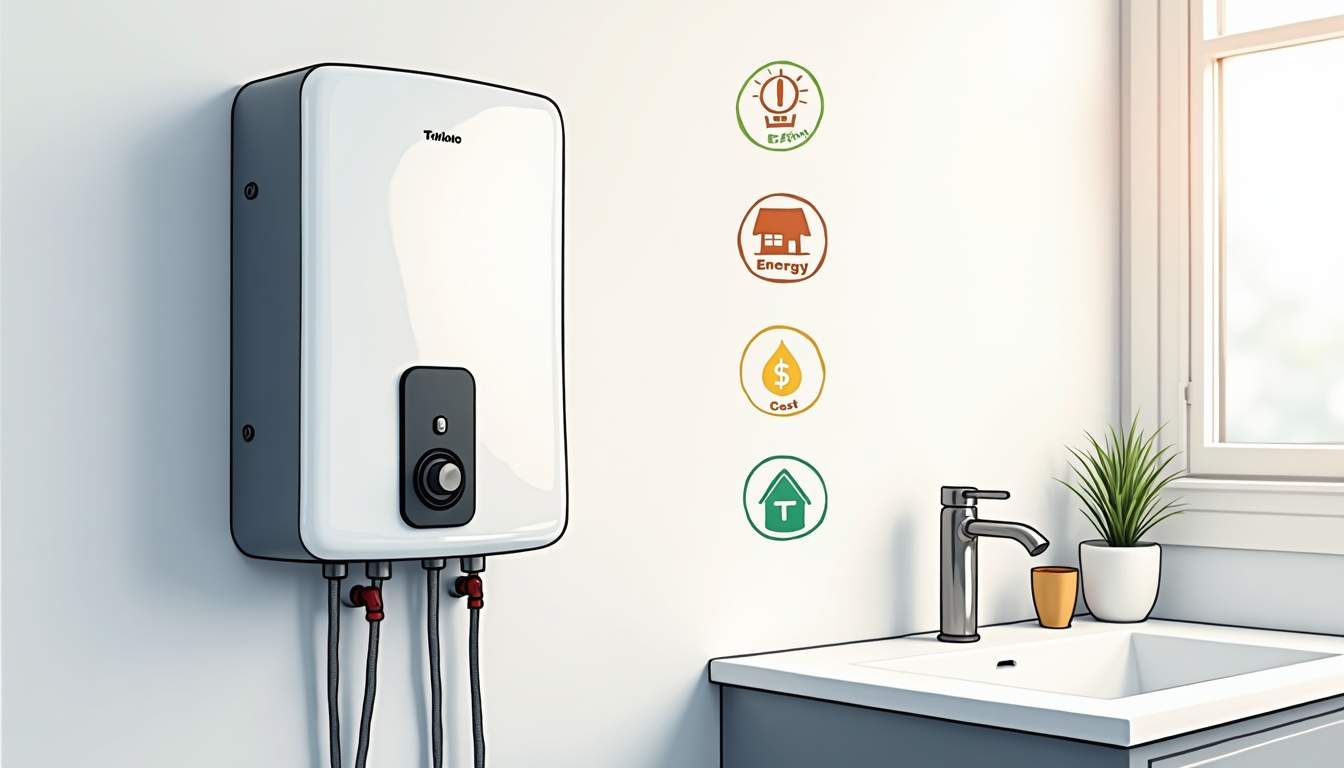
This on-demand heating can lead to significant energy savings, especially in households where hot water usage is intermittent or limited. Over time, the reduced energy consumption can offset the initial installation costs, making tankless heaters a smart investment for small-space dwellers looking to cut expenses. Additionally, many tankless systems are designed to be highly efficient, often achieving energy factor ratings that exceed those of traditional heaters. This efficiency not only lowers bills but also reduces the carbon footprint of your household, contributing to a more sustainable future.
Longer Lifespan Means Fewer Replacements
Tankless water heaters generally last longer than traditional tank models. While a typical tank heater might last 10 to 15 years, a well-maintained tankless unit can run efficiently for 20 years or more. This longevity means fewer replacements, less hassle, and less waste.
For small space owners, this durability is a bonus. Replacing a water heater can be disruptive, especially in tight quarters. Having a reliable system that won’t need frequent swapping saves time, money, and stress. Furthermore, many tankless models are equipped with advanced technology that allows for easy maintenance and troubleshooting, which can extend their lifespan even further. Regular descaling and filter changes can keep these systems running smoothly, ensuring that you enjoy consistent hot water without the worry of sudden breakdowns or costly repairs. This peace of mind is invaluable in a busy household where hot water is a daily necessity.
Improved Water Quality and Consistent Temperature
No Standing Water Means Fresher Hot Water
Traditional water heaters store water in a tank, which can sit stagnant for hours or even days. This can sometimes lead to a slight metallic taste or odor, especially if the tank starts to corrode or accumulate sediment. Tankless water heaters eliminate this issue because water is heated instantly as it flows through the system, so there’s no standing water.
For those sensitive to water quality or living in areas with hard water, this can be a noticeable improvement. Fresher water means better tasting coffee, cleaner dishes, and a more pleasant shower experience. Additionally, the absence of standing water reduces the risk of bacteria growth, such as Legionella, which can thrive in stagnant conditions. This is particularly important for families with young children or elderly members, as they may be more susceptible to waterborne illnesses. The peace of mind that comes with knowing your water is fresh and safe is invaluable.
Consistent Hot Water Without Fluctuations
Small spaces often mean smaller water systems, and that can lead to temperature swings with traditional heaters when multiple fixtures are used simultaneously. Tankless water heaters provide a steady stream of hot water at a consistent temperature because they heat water on demand and adjust flow rates automatically.
This means no more sudden cold bursts in the shower or lukewarm water when running the dishwasher and washing machine at the same time. For anyone living in a small home or apartment, this reliability is a welcome comfort. Moreover, tankless systems can be particularly advantageous for larger households where multiple hot water needs arise concurrently. Imagine preparing for a family gathering where several showers, laundry loads, and dishwashing tasks are happening all at once; the ability to maintain a constant hot water supply can significantly enhance the overall experience and efficiency of daily routines. This consistent performance not only elevates comfort but also contributes to energy savings, as the system only operates when hot water is needed, reducing unnecessary energy consumption.
Environmental Benefits and Reduced Carbon Footprint
Lower Energy Use Means Less Environmental Impact
By heating water only when needed, tankless water heaters reduce overall energy consumption. This efficiency translates into fewer greenhouse gas emissions if your energy source is fossil fuels. Even when using electricity, less energy demand means less strain on power plants and a smaller carbon footprint.
For environmentally conscious individuals living in small spaces, choosing a tankless water heater aligns well with sustainable living goals. It’s a practical way to reduce your environmental impact without sacrificing comfort.
Potential for Integration with Renewable Energy
Tankless water heaters can be paired with solar water heating systems or powered by renewable electricity sources more easily than traditional tank heaters. Their smaller size and on-demand operation make them ideal candidates for integration with green energy setups.
This opens up opportunities for small space dwellers to further reduce their reliance on non-renewable energy and move toward a more eco-friendly home.
Low Maintenance and Easy Upkeep
Simple Design Means Fewer Problems
Tankless water heaters have fewer components that can fail compared to traditional tank models. There’s no tank to rust or leak, and the compact design means fewer parts to service. This simplicity reduces the chance of breakdowns and the need for expensive repairs.
For those with limited space and time, this low-maintenance aspect is a big plus. It means less hassle and fewer interruptions in your hot water supply.
Easy Access for Servicing
Because tankless units are often wall-mounted and installed in accessible locations, servicing them is usually straightforward. Technicians can quickly reach the unit without having to navigate around bulky tanks or cramped spaces.
This ease of access can lead to faster repairs and routine maintenance, keeping your system running smoothly without major disruptions.
Conclusion: Perfect Fit for Small Spaces
Tankless water heaters offer a compelling combination of compact size, energy efficiency, and reliable performance that makes them ideal for small spaces. They free up valuable room, reduce energy bills, provide consistent hot water, and contribute to a greener lifestyle. For anyone struggling with the limitations of traditional water heaters in tight quarters, switching to a tankless system can be a smart, practical upgrade.
Whether you live in a tiny apartment, a cozy condo, or a compact house, tankless water heaters deliver hot water on demand without the bulk. They’re a modern solution that fits neatly into small spaces while meeting all your hot water needs.