
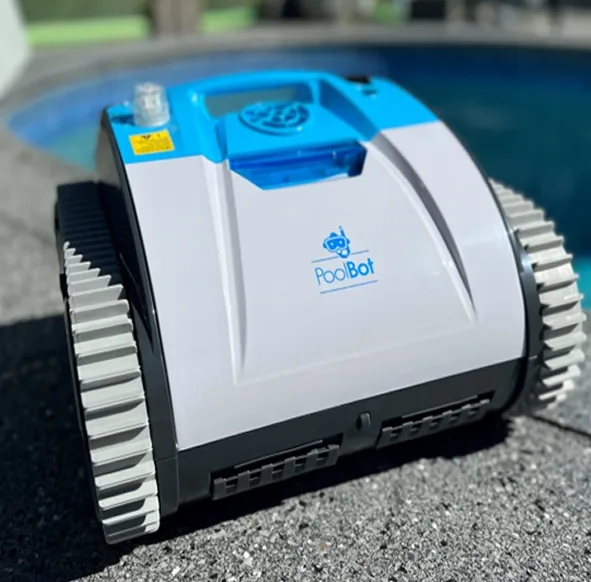
Keeping your swimming pool clean becomes much easier when you have the right cleaning tool. Many homeowners rely on the best pool cleaner vacuum because it reduces manual work, removes daily debris efficiently, and keeps the water clearer for longer. Choosing the right one depends on how your pool is built, how much dirt it collects, and how much effort you want to put into maintenance.
This section highlights the key points that matter when selecting a cleaner that suits your pool and daily routine. With a few basic checks, choosing the right system becomes simpler and helps keep your water clear throughout the year.
Understand Your Pool’s Requirements
Before comparing cleaners, start with the basics of your pool. The size, depth, structure, and surface material all influence which cleaner will work best.
Pool Type
In-ground pools often need stronger suction, wall-climbing features, and better scrubbing ability. Above-ground pools are usually shallower and may require lighter models that won’t damage vinyl liners.
Pool Shape
Simple shapes like rectangles are easier to clean, while lagoon-style pools with curves, benches, and steps need cleaners with advanced navigation.
Surface Material
Fiberglass, vinyl, concrete, and tiles each respond differently to brushes. Delicate surfaces need soft brushes, while tougher surfaces can handle active scrubbing.
Understanding your pool’s physical features helps you choose a cleaner that performs properly and avoids damage.
Know the Main Types of Pool Cleaner Vacuums
Different pools benefit from different cleaning systems. There are three primary categories to choose from.
2.1 Robotic Cleaners
These are the most advanced cleaners. They operate independently of the pool’s pump and offer:
- Powerful suction
- Fine filtration
- Wall and floor scrubbing
- Energy-efficient operation
- Smart navigation
They are ideal for busy homeowners who want a highly effective, low-maintenance cleaning solution.
2.2 Suction Cleaners
These connect directly to the pool’s filtration system. They are:
- Affordable
- Easy to install
- Effective for small to medium debris
However, they depend on pump strength and may not perform well with fine dust.
2.3 Pressure-Side Cleaners
These use water pressure from the return line and collect debris in a separate bag.
Best suited for:
- Leaf-heavy pools
- Yards with a lot of plants
- Large debris removal
They reduce strain on the pool filter and offer strong cleaning performance.
Match the Cleaner to Your Debris Type
Different pools attract different types of dirt. Choosing based on debris makes a big difference in cleaning results.
Fine Dust & Sand
Common in coastal areas or windy locations. Look for:
- Strong suction
- Ultra-fine filter baskets
- Active brushing
This prevents cloudy water and keeps the floor clear.
Leaves & Twigs
If your pool sits near trees:
- Choose models with large intake openings
- Prefer pressure-side cleaners or strong robotic units
- Check for leaf canisters
This helps prevent clogs and maintains smooth cleaning.
General Everyday Debris
For pools used by families:
- Wall-scrubbing robotic cleaners
- Medium suction models
- Cleaners with high maneuverability
These handle sunscreen residue, dirt from feet, and floating insects well.
Suction Strength & Filtration Quality
Two key factors decide how well a cleaner performs:
Suction Power
Stronger suction picks up heavier debris and works faster. This is important for deeper pools or pools with frequent use.
Filtration Quality
Filters determine how clean your water looks. Models with fine filtration can trap tiny particles like dust, pollen, and silt.
Better filtration leads to:
- Clearer water
- Fewer chemical adjustments
- Less strain on your pool’s filter system
If water clarity is a challenge, filtration should be a top priority.
Corded vs Cordless Models
Modern cleaners come in both versions. Each has benefits depending on your pool size and convenience needs.
Cordless Cleaners
- No tangling
- Easy to handle
- Great for small and medium-sized pools
Battery life varies, so choose a model with enough runtime for your pool size.
Corded Cleaners
- Continuous power
- Higher cleaning strength
- Better for large pools
Though the cord requires some management, these models perform strongly for heavy cleaning tasks.
Look for Important Features
Advanced features can significantly improve cleaning quality and reduce the time you spend supervising the cleaner.
Useful features include:
- Wall climbing
- Anti-tangle swivels
- Smart navigation
- Scheduled cleaning
- Active brushing
- Waterline cleaning
If your pool has unusual shapes or built-in seating, features like navigation and climbing become especially valuable.
Check Build Quality and Durability
A cleaner should last for years, not months. Look for:
- Strong wheels or tracks
- Reinforced casing
- High-quality brushes
- Water-resistant electronics
- Good warranty coverage
A well-built unit handles daily use, sun exposure, chemicals, and rough surfaces without wearing out quickly.
Maintenance & Ease of Cleaning
Your cleaner should simplify pool care. Avoid models that require complicated maintenance.
Choose a model that allows:
- Quick access to filter baskets
- Easy rinsing and cleaning
- Simple brush replacement
- Readily available spare parts
A low-maintenance cleaner saves time and keeps the pool consistently clean.
Energy Efficiency & Operating Cost
Energy-efficient cleaners reduce electricity bills and operate quietly.
Robotic cleaners use low-voltage motors, making them one of the most economical options over time.
Look for:
- Eco modes
- Short cleaning cycles
- Low power consumption
This is helpful if you run the cleaner several times per week.
Compare Price and Long-Term Value
A cleaner’s price doesn’t always reflect its quality.
Cheaper models may miss fine debris or wear out quickly, while expensive models may include features you don’t need.
Balance your decision based on:
- Durability
- Cleaning performance
- Maintenance costs
- Pool size compatibility
- Warranty length
Choosing long-term value over low upfront cost saves money in the future.
Read Real User Reviews Before Buying
Reviews help you understand how cleaners perform in real pools. Look for comments about:
- Reliability
- Suction strength
- Battery life
- Ease of use
- Customer service
Consistent feedback gives a clearer picture than product descriptions alone.
Conclusion
Choosing the right pool cleaner becomes easier when you understand your pool’s design, debris types, and the features that matter most. A well-picked vacuum saves time, reduces physical effort, and keeps your water cleaner throughout the year. With the right model, pool maintenance becomes simple, smooth, and far more enjoyable.